



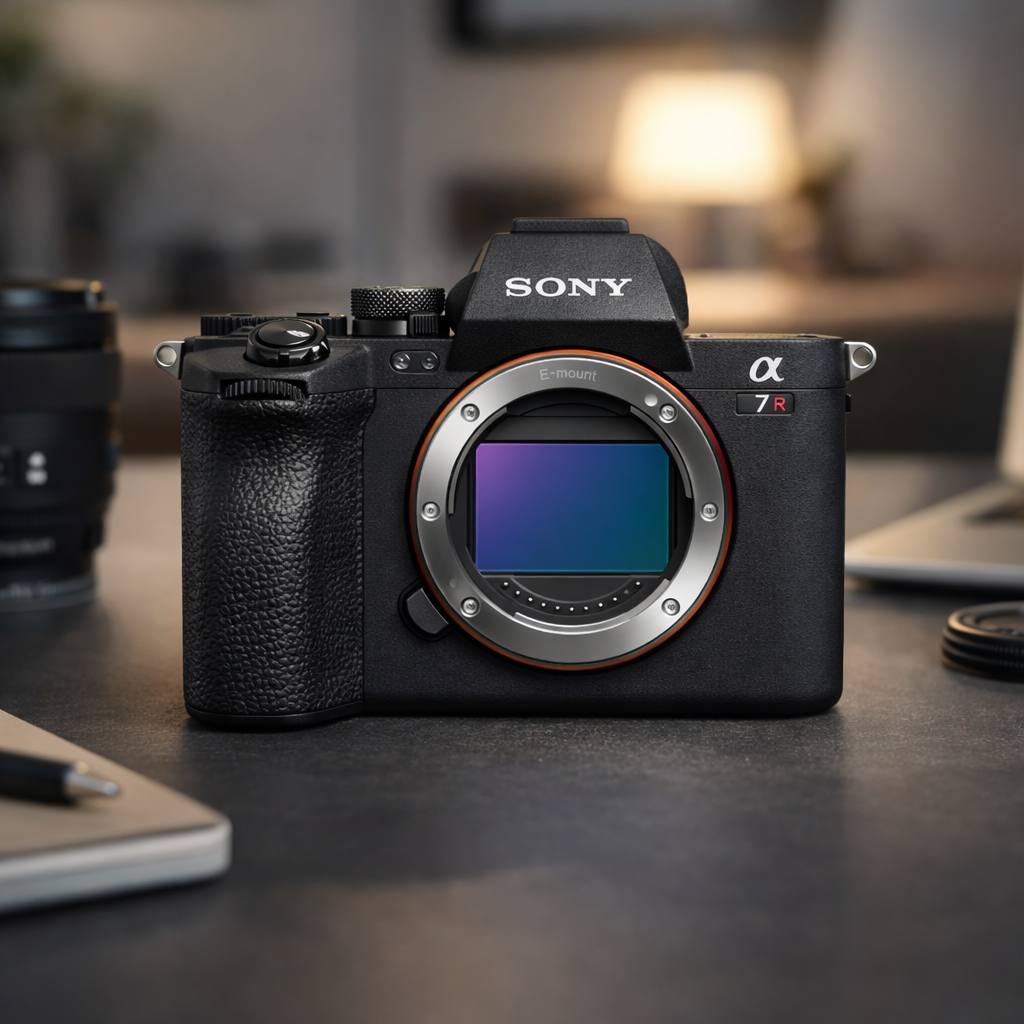

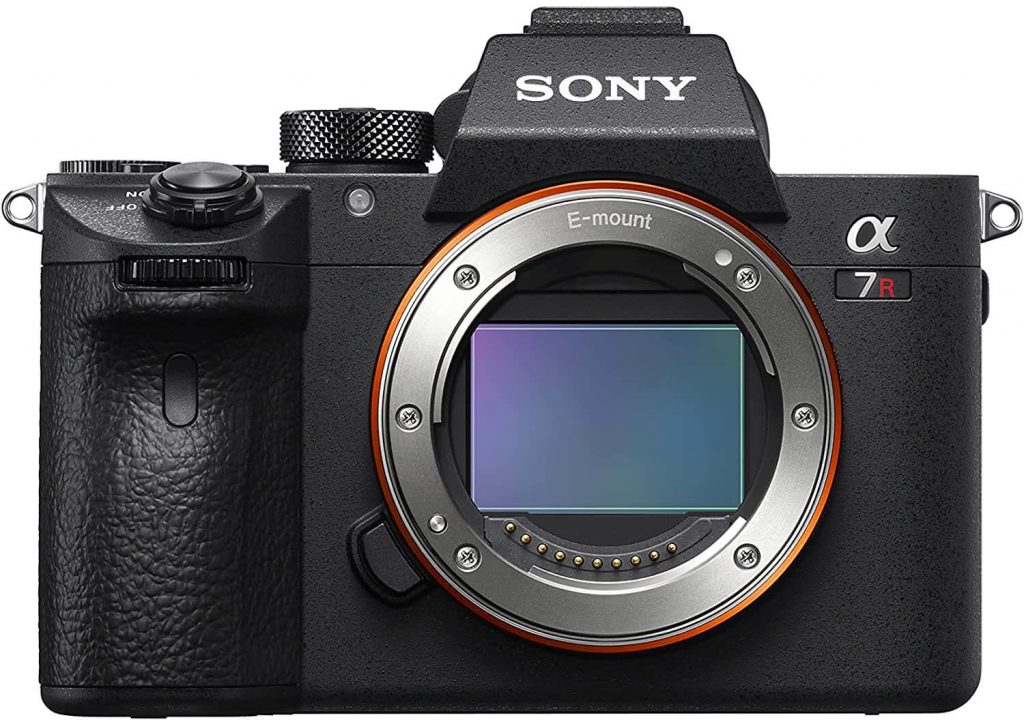
View full specs
Contents
- Sony a7R IV review verdict in 2026
- Who the Sony a7R IV is really for
- Build quality, ergonomics, and field handling
- Image quality and resolution
- Autofocus, speed, and real-world performance
- The sensor demands excellent lenses
- Workflow, storage, and battery life
- Sony a7R IV vs a7R V, a7R VI, and a7CR
- Pros and cons
- Final verdict
- Frequently asked questions
Sony a7R IV review verdict in 2026
I would buy the a7R IV when the price is far enough below the a7R V and a7R VI to justify choosing the older body. Its 61MP sensor remains excellent, the dual UHS-II card slots are practical, the EVF is detailed, and the body feels much better than earlier a7R generations.
I would not buy it just because 61MP sounds impressive. This camera is demanding. It needs sharp lenses, careful shutter speeds, enough storage, and a computer that can handle large RAW files.
| Buy it if… | Skip it if… |
|---|---|
| You print large or crop heavily. | You shoot mostly fast action. |
| You shoot landscapes, studio, product, or architecture. | You want the newest AI subject tracking. |
| You already own sharp Sony FE lenses. | You need advanced video specs. |
| The price is much lower than an a7R V. | You dislike heavy editing and storage workflows. |
Who the Sony a7R IV is really for
The a7R IV is for photographers who put detail first. Landscape photographers can crop, print large, and recover subtle textures. Studio photographers can deliver high-resolution commercial files. Product and artwork photographers can capture fine surface detail without immediately moving to medium format.
It is less convincing as a general-purpose camera. A 61MP file is not always a benefit. For weddings, travel, family work, and low-light events, smaller files from an a7 IV, a7 V, or a7C II may be easier and more practical.
If you are deciding between generations, our Sony a7R V review explains why the newer 61MP body can be the better everyday high-resolution camera. The a7R IV is the value play, not the most refined option.
Build quality, ergonomics, and field handling

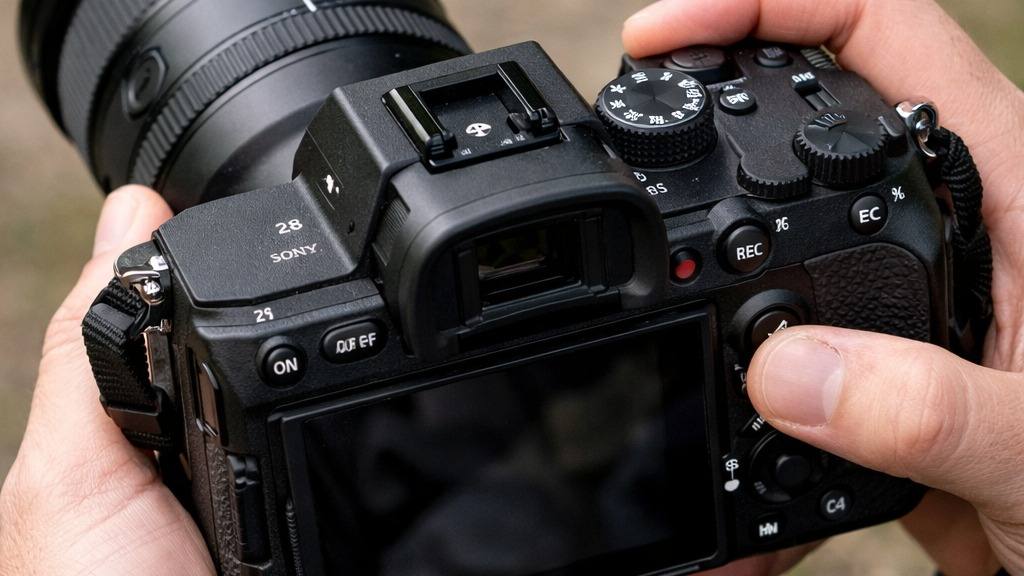
The a7R IV was a meaningful ergonomic step forward for Sony. The deeper grip, better buttons, improved joystick, and detailed 5.76M-dot EVF all make it feel more professional than earlier a7R bodies. At about 665 g with battery and card, it is not heavy for what it offers, but it becomes a serious kit once you mount high-end G Master zooms.
The rear screen only tilts, which is fine for tripod landscapes and low-angle stills, but less flexible than the newer multi-angle screens. The menus are also older Sony: powerful, but not especially friendly. As with most older Alpha bodies, careful customization is part of the ownership experience.
Weather resistance is good enough for normal professional caution, not an excuse to treat the camera as waterproof. For landscape work, I would still use a rain cover in sustained bad weather.
Image quality and resolution
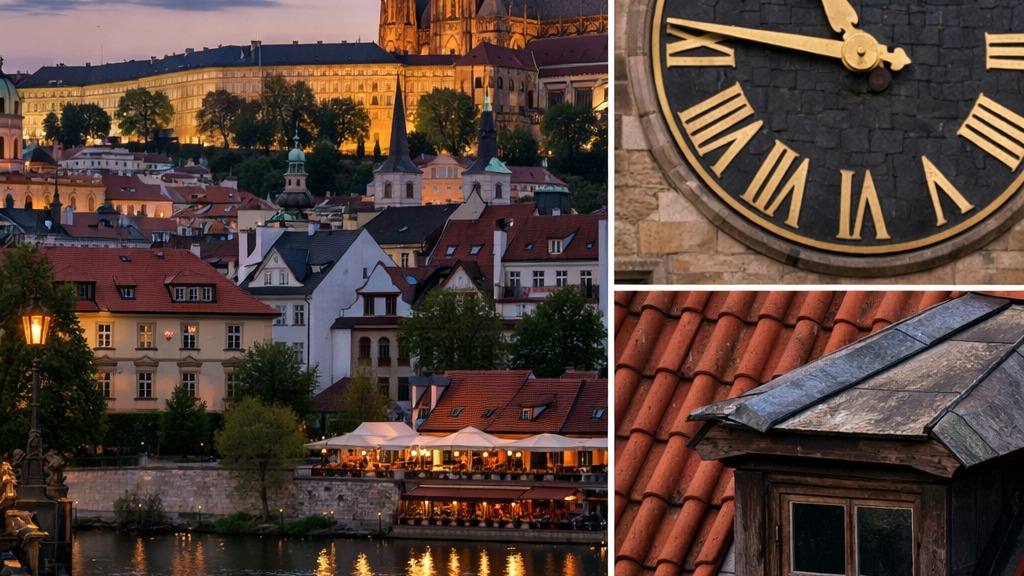
The 61MP sensor is the reason to own this camera. At base ISO, the files are detailed, flexible, and capable of large prints. Texture in landscapes, fabric in studio portraits, product edges, architecture, and fine artwork all benefit from the resolution.
Dynamic range is excellent, especially at low ISO. You can recover shadows cleanly when exposure is sensible, and the files hold up well to careful editing. Color is good, though newer Sony bodies can be easier to grade and more consistent in mixed conditions.
High ISO performance is good for a high-resolution body, but not the reason to buy it. ISO 1600 and 3200 are usable; ISO 6400 can work with careful exposure and noise reduction. If most of your work happens in dark receptions or fast indoor events, a lower-resolution body is usually more forgiving.
Autofocus, speed, and real-world performance
The a7R IV has 567 phase-detection AF points and 425 contrast-detection points, with up to 10 fps continuous shooting. For portraits, studio movement, landscapes, architecture, and moderate wildlife, it is more than capable. Eye AF remains useful and dependable for people and animals.
Where it falls behind is modern subject recognition. The a7R V and a7R VI are simply better at identifying and tracking subjects, especially unpredictable ones. The a7R IV can shoot action, but that is not its strongest personality. It is a precision camera first.
The buffer is another practical consideration. Large RAW files fill cards and buffers quickly, especially if you shoot uncompressed. Dual UHS-II slots help, but the camera rewards a slower, more deliberate rhythm.
The sensor demands excellent lenses
A 61MP full-frame sensor exposes weak glass and sloppy technique. This is not the body I would pair with soft budget zooms and expect magic. Lens choice matters.
For landscapes, Sony’s 16-35mm GM lenses, 20mm f/1.8 G, 24mm f/1.4 GM, 24-70mm f/2.8 GM II, and strong Sigma/Tamron alternatives can all make sense. For studio and portraits, the Sony 50mm f/1.2 GM, 85mm f/1.4 GM, 90mm Macro G, and 135mm f/1.8 GM are the kind of lenses that let the sensor show what it can do.
Technique matters just as much. Use a sturdy tripod when appropriate, watch shutter speed, avoid unnecessary vibration, and check focus critically. The a7R IV rewards discipline more than casual shooting.
Workflow, storage, and battery life
Large files are the tax you pay for 61MP. Expect bigger memory cards, more storage, longer imports, slower previews on older computers, and more demanding backups. This is manageable for working photographers, but it should not be ignored.
Sony rates battery life around 530 shots with the EVF or 670 with the LCD. In real use, one NP-FZ100 can last a long time for stills, but I would still carry spares for landscape days, tethered studio work, or cold conditions.
The a7R IV also supports pixel-shift multi shooting for extremely high-resolution static subjects. It is not useful for moving landscapes, but it can be valuable for artwork reproduction, product photography, and controlled studio scenes.
Sony a7R IV vs a7R V, a7R VI, and a7CR
The a7R IV now sits behind several important Sony alternatives.
- Against the a7R V: image quality is very similar because both use 61MP sensors, but the a7R V wins on autofocus intelligence, screen design, stabilization rating, and usability. The a7R IV wins only if the price gap is meaningful.
- Against the a7R VI: the a7R VI is the new high-resolution flagship direction, with a 66.8MP stacked sensor and much faster performance. The a7R IV is the budget high-resolution option by comparison.
- Against the a7CR: the Sony a7CR offers 61MP in a smaller travel-friendly body, but the a7R IV has the more traditional high-resolution workhorse ergonomics.
- Against the a7 IV or a7 V: those are better all-rounders. The a7R IV is better only when you specifically need more resolution.
Pros and cons
- Pros: excellent 61MP files, strong dynamic range, useful APS-C crop flexibility, detailed EVF, dual UHS-II card slots, improved grip over earlier a7R bodies, good battery life, strong used-market value.
- Cons: huge files, demanding lens requirements, older menus, tilting-only screen, 8-bit video, autofocus behind newer AI-based Sony bodies, not ideal for fast action.
Final verdict
The Sony a7R IV is still worth buying if you want high-resolution stills and the price is right. It remains a serious tool for landscape, studio, product, architecture, fine-art, and careful portrait work. The sensor is still excellent, and the camera can produce files that look impressive even beside newer models.
But it is no longer the obvious high-resolution Sony choice. The a7R V is more refined, and the a7R VI changes the top of the line with much more speed. Buy the a7R IV for value and image quality. Do not buy it expecting the newest Sony experience.
Frequently asked questions
Is the Sony a7R IV still worth buying in 2026?
Yes, if you need 61MP stills and can buy it far below newer high-resolution Sony bodies. It is best for deliberate photography, not fast hybrid work.
Is the Sony a7R IV better than the a7R V?
No, not overall. Image quality is very close, but the a7R V has better autofocus, handling, screen flexibility, and stabilization. The a7R IV only wins on price.
How does the Sony a7R IV compare with the a7R VI?
The a7R VI is the newer, faster, more advanced high-resolution body with a 66.8MP stacked sensor. The a7R IV is the cheaper older option for photographers who mainly need still image detail.
What lenses are best for the Sony a7R IV?
Use sharp FE lenses. Strong choices include Sony G Master primes and zooms, the Sony 90mm Macro G, the Sony 20mm f/1.8 G, and high-performing Sigma or Tamron E-mount lenses.
Is the Sony a7R IV good for video?
It is usable for basic 4K work, but it is not a video-first camera in 2026. The 8-bit recording and older readout make newer Sony hybrids much better choices for serious video.
Landscape, studio, product, architecture, artwork reproduction, and careful high-resolution photography.
You shoot fast action, want modern AI autofocus, need advanced video, or dislike huge files.
High; resolution, lens choice, storage, and technique all matter.
Move to a7R V for smarter autofocus and handling, or a7R VI for speed and the newest high-resolution platform.
Usable 4K, but old 8-bit video and readout make it a stills-first camera now.
Yes, if high-resolution stills matter and the used price is strong.
Last update on 2026-06-21 / Affiliate links / Images from Amazon Product Advertising API


