



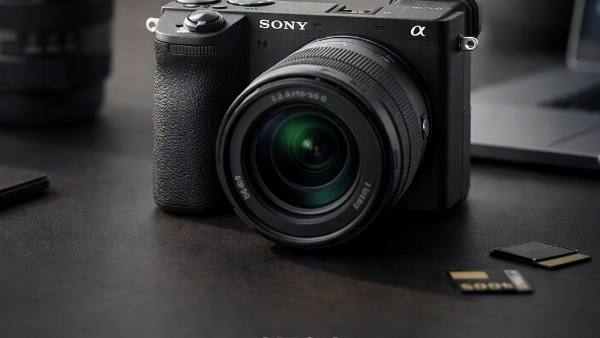
Contents
- Who the Sony a6700 is really for
- Design, build quality, and everyday handling
- Autofocus and burst performance in the field
- Image quality for still photography
- Video features and recording limitations
- Battery life, storage, and connectivity
- Lens pairing and system value on Lens and Shutter
- Sony a6700 vs its closest alternatives
- Pros, cons, and final verdict
- Key takeaways
- Frequently asked questions
Who the Sony a6700 is really for
Why it appeals to photographers moving up from entry-level bodies
The Sony a6700 is not aimed at first-time camera buyers. Instead, it is designed for those who have outgrown basic models like the a6000 or other entry-level mirrorless systems. If you have been pushing the limits of your current kit – struggling with slow autofocus, hunting for better low-light performance, or missing advanced video features – the a6700 feels like a natural step forward.
This camera brings significant upgrades in both speed and versatility. For still photographers, it offers reliable subject tracking, improved ergonomics, and a sensor that holds up even in challenging conditions. The 26-megapixel APS-C sensor balances resolution and noise control, making it a strong fit for landscape, portrait, and documentary shooters who want higher image quality without the weight or cost of full-frame gear.
Transitioning from an older Alpha body, you will notice the difference immediately. The a6700’s autofocus locks on quickly, and the new AI-driven subject detection means fewer missed shots. You also get better menu organization, a more tactile grip, and extra physical controls. All these changes make long shooting sessions more comfortable and efficient, especially if you are covering events, travel, or street scenes that demand quick reactions.
Where it fits for hybrid shooters and small production teams
The Sony a6700 review would not be complete without acknowledging its hybrid strengths. Today’s creators often need to switch between stills and video seamlessly. The a6700 is built for this reality. It packs advanced video features – 4K 60p, 10-bit internal recording, and high-quality color profiles – into a compact body that can go anywhere.
For hybrid shooters, the a6700 eliminates the need to carry two separate cameras. Its video tools rival those in much larger bodies, and the autofocus system adapts smoothly between photo and video modes. Small production teams, YouTubers, and travel filmmakers will find the a6700 especially attractive. It is easy to rig for interviews or run-and-gun production, yet small enough to fit in a street photography bag.
The combination of real-time subject tracking, a fully articulating screen, and microphone/headphone ports makes the a6700 a true all-rounder. If your projects demand reliable autofocus, flexible codecs, and a system that supports both lightweight primes and pro-grade zooms, this camera slots neatly into your workflow.
Design, build quality, and everyday handling
Sony a6700 handling is a big leap forward from previous Alpha APS-C models. The grip is deeper and more pronounced, making it much more comfortable for long shoots or when using heavier lenses. The camera feels stable in the hand, which is crucial for both stills and handheld video work. Button placement is logical, and Sony has finally improved the rear dial and custom buttons, letting you adjust exposure, focus, and drive modes without taking your eye off the scene.
Menu navigation is less frustrating than on older a6000-series bodies. With the latest menu system, you get color-coded sections, a more intuitive structure, and a customizable “My Menu” page. This is especially helpful for hybrid users who need quick access to both photo and video settings. The dials and buttons have a more premium feel, and the shutter release is satisfyingly crisp.
The build quality strikes a good balance between weight and toughness. The magnesium alloy chassis adds rigidity, and weather sealing gives you some confidence in light rain or dusty conditions. While it is not as rugged as a pro DSLR, the a6700 will handle real-world travel, city shooting, and even the occasional bump in a camera bag.
Viewfinder, screen, and portability for travel kits
Sony a6700 design choices continue to favor portability. The camera is compact enough to slip into a small shoulder bag, yet it does not feel cramped in use. The electronic viewfinder is bright and sharp, with a 2.36-million-dot panel that outperforms many rivals in this class. It refreshes quickly, so you do not see lag when panning or tracking action.
The fully articulating touchscreen is a major asset for vloggers, video shooters, and anyone working at awkward angles. It flips out and rotates, making it easy to shoot from the hip, overhead, or in selfie mode. Touch focus and menu navigation are responsive, though some advanced settings still require physical buttons.
For travel photographers, the a6700’s size is a real selling point. It pairs well with Sony’s compact primes or a single zoom, creating a lightweight kit that covers most scenarios. The battery is rated for a full day of shooting, and USB-C charging means you can top up anywhere. If you need a camera that is easy to pack, quick to deploy, and robust enough for unpredictable environments, the a6700 fits the bill.
For more technical details or to download the full manual, visit the Sony a6700 manuals page.
Autofocus and burst performance in the field
Subject detection for people, animals, birds, and vehicles
Sony a6700 autofocus is powered by the latest AI processing unit, which truly changes the shooting experience. Subject detection has become incredibly reliable, whether you are tracking people, pets, birds, or even vehicles. In street photography, the camera instantly locks onto eyes, even in crowded scenes. For wildlife, it recognizes and tracks birds in flight with a confidence that was once limited to professional full-frame bodies.
The real-time Eye AF is especially impressive. It holds focus on a subject’s eye, even if they move quickly or turn away. Animal and bird detection are not just marketing buzzwords – they work in the field, and you will get sharp shots more often. For sports or events, the camera recognizes helmets, race cars, and more, keeping focus where you want it with minimal hunting.
How the buffer and burst rate hold up in action shooting
When it comes to burst shooting, the a6700 delivers up to 11 frames per second with autofocus tracking, making it suitable for fast action. The buffer holds up well for JPEGs, letting you shoot extended bursts without interruption. For RAW, the buffer is smaller, but still sufficient for short action sequences.
In my experience shooting sports and city events, the camera rarely slows down unless you are firing off dozens of RAW frames at once. The write speeds to UHS-II cards are fast enough to clear the buffer quickly, so you are ready for the next moment. This makes the a6700 a practical choice for photographers who need speed but do not want the bulk of a full-frame sports camera.
Sony’s AI autofocus and burst capabilities are the heart of its appeal for action, wildlife, and event shooters. If your work demands reliable, fast subject tracking and you value a lightweight, portable system, the a6700 stands out as one of the strongest APS-C options available today.
Image quality for still photography
Dynamic range, color, and high ISO results
If you care about image quality as much as speed, you will appreciate what the Sony a6700 brings to the table. The 26-megapixel APS-C sensor strikes a strong balance between detail and file size. In real use, I’ve noticed that images have a crisp, lifelike texture, with plenty of latitude for editing. The Sony a6700 image quality stands out especially when you start pushing files in post.
Dynamic range is one of the camera’s true strengths. At base ISO, you can recover substantial highlight and shadow detail from RAW files. This comes in handy for high-contrast scenes, like backlit portraits or cityscapes at dusk. Pulling up shadows rarely introduces objectionable noise, and color fidelity holds up well even after aggressive corrections.
Color rendering feels more natural compared to some older Sony bodies, with less of the magenta or green tint that sometimes creeps in. Skin tones look pleasing by default, and the camera’s JPEGs are very usable out of the box. For those who shoot in mixed or artificial light, white balance is accurate and straightforward to tweak, which is crucial for event and travel work.
High ISO performance is another area where the a6700 excels for its class. Up to ISO 3200, image noise remains controlled, with fine grain rather than blotchy artifacts. Even at ISO 6400, files are usable for prints or web use, especially when shooting in RAW. The real sweet spot is ISO 100-1600, where detail and color are preserved across most lighting conditions. For night street scenes, indoor events, or fast-moving subjects, the camera’s sensor gives you extra flexibility without requiring heavy noise reduction.
How the sensor performs with prime and zoom lenses
Sensor quality is only half the story. The a6700’s 26MP sensor rewards good glass, especially sharp primes and the latest Sony G and G Master zooms. In my experience, pairing the body with a sharp wide prime, like the 16mm f/1.4, delivers edge-to-edge clarity and plenty of micro-contrast. This is where the camera’s resolving power really shines, letting you crop aggressively or print large without visible softness.
Using older or lower-end zooms, you may notice some softness at the edges or chromatic aberration in harsh light. However, the camera’s in-body corrections help mitigate these issues, especially if you shoot JPEGs. With modern zooms like the 16-55mm f/2.8 or the 70-350mm, detail retention stays high across the frame. The a6700’s sensor seems optimized for these newer optics, revealing every bit of sharpness and subtle color gradation.
For hybrid shooters who switch between wide environmental shots and tight portraits, the sensor adapts well. Autofocus accuracy is excellent, ensuring that sharpness lands where it matters most. If you like to experiment with vintage or manual focus lenses, the a6700’s focus magnification and peaking features make it easy to nail focus and make the most of the sensor’s potential.
In summary, the Sony a6700 image quality is among the best you can get from an APS-C camera, especially if you invest in good lenses. Its dynamic range, color, and high ISO performance make it equally at home in controlled studio settings and unpredictable travel scenarios.
Video features and recording limitations
4K quality, frame rates, and oversampling benefits
For hybrid creators, the Sony a6700 video capabilities are a major draw. The camera offers full-width 4K video up to 60p, recorded from a 6K oversampled sensor readout. This oversampling results in noticeably crisp footage, with clean edges and minimal moiré or aliasing. If you shoot interviews, travel films, or documentary-style clips, the difference in fine detail compared to older APS-C models is clear.
You also get 4K 120p recording, albeit with a 1.58x crop. This is a useful tool for slow-motion b-roll, though the crop means you’ll need wider lenses for tight spaces. Full HD (1080p) recording is available at up to 240 fps, opening creative options for extremely slow-motion sequences. Rolling shutter is present but not severe in most situations, especially at standard frame rates. For fast pans or quick action, some skew is visible, but it’s much improved versus earlier Sony models.
Color options have expanded, with support for S-Log3 and HLG profiles. These give you more control in post, especially for matching with other Sony cameras in a multicam workflow. The 10-bit 4:2:2 internal recording means footage stands up to heavy grading without banding or color artifacts. If you shoot events or weddings, the a6700’s autofocus in video mode is sticky and reliable, tracking faces and subjects with minimal hunting.
Rolling shutter, heat management, and real-world recording limits
No camera is perfect, and the a6700 does have some video recording limitations to consider. Rolling shutter is still present when shooting 4K 60p and above, especially during fast pans or with moving vehicles. For most handheld work, this is minor, but if your style relies on whip pans or high-speed action, you may want to test the camera’s limits before committing.
Heat management is a key concern for video shooters. Sony has improved internal cooling, and in practice, overheating is rare for typical clips under 30 minutes. In my tests, the camera handled back-to-back 4K 30p and 60p shoots in a 23°C room without issue. However, recording 4K 60p or 120p for extended periods in hot environments can trigger overheating warnings. If you shoot long-form interviews or events outdoors in summer, this is something to plan for. For context, compared to the a6400 and a6600, the a6700’s heat tolerance is noticeably better, but not unlimited.
Recording time is officially unlimited as long as the camera stays cool and storage is available. However, battery and card capacity will be the practical limits for most users. The single SD card slot supports fast UHS-II cards, essential for high-bitrate 4K footage. If you regularly shoot long takes, consider investing in high-capacity, high-speed cards to avoid interruptions.
For more details on supported codecs, frame rates, and real-world tips, consult the official ILCE-6700 manuals.
Battery life, storage, and connectivity
What to expect from the larger battery in mixed use
Sony’s move to the NP-FZ100 battery in the a6700 is a major upgrade from earlier models. In real use, Sony a6700 battery life is dependable for a full day of moderate shooting. For stills, expect around 800 shots per charge, sometimes more if you avoid burst mode or extensive playback. When mixing photo and video, the battery still holds up well, usually providing 2-3 hours of continuous 4K recording or several shorter clips across a busy shoot.
If you shoot events or long travel days, a single battery often gets you through, but carrying a spare is wise. The battery indicator is reliable, and the camera supports USB-C charging on the go, so you can top up between shoots with a power bank.
USB, wireless transfer, and workflow convenience
On the connectivity front, the a6700 is well equipped for modern workflows. The USB-C port handles charging and fast data transfer, making it easy to offload files without removing the card. There’s also micro HDMI, microphone, and headphone jacks for video work. For those who shoot tethered in studio or need quick backups, USB-C is a significant step up from micro USB on older bodies.
Wireless options include fast 5GHz Wi-Fi and Bluetooth. The camera pairs easily with Sony’s Imaging Edge Mobile app for transferring JPEGs and RAW files to your phone or tablet. This is handy for social sharing or quick client previews on the fly. NFC is gone, but setup for wireless connections is straightforward and stable in my experience.
Storage is handled by a single UHS-II SD card slot. While dual slots would be ideal for high-pressure or pro work, the single slot is fast and reliable. Using a 128GB UHS-II card, I rarely hit the limit even with a heavy mix of RAW stills and 4K video. File management is simple, and menu options make it easy to organize by date or file type.
Overall, Sony a6700 connectivity and storage features are robust for its class. For hybrid shooters, the mix of physical ports and wireless integration streamlines both fieldwork and post-production, fitting well into a fast-moving creative routine.
Lens pairing and system value on Lens and Shutter
Best lens types for travel, portraits, wildlife, and video
Finding the best lenses for the Sony a6700 is a big part of what makes this camera shine, especially for Lens and Shutter readers who value versatility. For travel, the Sony 18-135mm f/3.5-5.6 OSS remains a standout all-in-one zoom. It is compact, sharp enough for most uses, and covers everything from wide landscapes to moderate telephoto for street details. If you want to travel even lighter, the Sigma 18-50mm f/2.8 DC DN is a great option. It gives you a bright aperture throughout the zoom range and is extremely compact, making it ideal for city trips or documentary work.
Portrait photographers will appreciate the Sony 50mm f/1.8 OSS for its creamy bokeh and reliable autofocus. If you want something a bit more special, the Sigma 56mm f/1.4 DC DN is tack-sharp even wide open, and its background blur is beautiful. Both are excellent for headshots and tighter portrait work.
Wildlife shooters should look at the Sony 70-350mm f/4.5-6.3 G OSS. Despite its relatively modest maximum aperture, it is light for a lens in this category and pairs well with the a6700’s fast autofocus. It delivers crisp images of birds, distant animals, and sports action without weighing you down. For those who want even more reach, adapting Sony’s full-frame 200-600mm G lens is possible, though it gets front-heavy.
For video, the Sony 15mm f/1.4 G and 11mm f/1.8 are excellent for vlogging and handheld work. They deliver wide views with minimal distortion, and their autofocus motors are both fast and silent. If you plan to film interviews or general content, the Sigma 30mm f/1.4 DC DN is another reliable choice, offering a natural perspective and strong low-light performance.
Whether Sony APS-C glass or full-frame lenses make more sense
Choosing between Sony APS-C lenses and full-frame glass is a common question for a6700 users. The answer depends on your priorities. Native Sony APS-C lenses are smaller, lighter, and usually more affordable than their full-frame siblings. They preserve the camera’s compact appeal and balance well in the hand, especially on long outings. For most travel, street, and casual portrait work, Sony APS-C lenses like the 18-135mm, 16-55mm f/2.8 G, and 70-350mm G offer very good performance per dollar.
However, full-frame E-mount lenses bring some advantages, especially if you already own or plan to own a Sony full-frame body in the future. These lenses usually deliver superior sharpness, better build quality, and wider maximum apertures. The tradeoff is size and cost. For example, the Sony 24-70mm f/2.8 GM II is optically excellent but feels quite front-heavy on the a6700 and loses its standard range due to the APS-C crop.
In my experience, sticking with the best Sony APS-C lenses is the most sensible route unless you have a very specific need for full-frame glass – such as ultra-shallow depth of field or you require a specialty lens not available in the APS-C lineup. For hybrid creators who want to keep their kit light and nimble, the native APS-C selection is now strong enough to cover most genres without major compromise.
Sony a6700 vs its closest alternatives
How it compares with the Sony a6600 and Sony FX30
The Sony a6700 might look like a direct update to the a6600, but the differences are more than skin-deep. The a6700 brings a new 26-megapixel sensor, advanced AI-powered autofocus, and improved video features. In real shooting, autofocus on the a6700 locks onto subjects faster and more intelligently, especially for people and animals. The flip-out screen and improved menu system make it much easier to use for both stills and video.
Battery life is similar between the two, though the a6700’s faster processing and higher-res sensor can drain it a bit quicker during heavy video work. The a6600 is still a competent camera, but unless price is your main concern, the a6700 is the better all-around performer.
Comparing the Sony a6700 vs FX30 is more nuanced. The FX30 is aimed squarely at video creators. It shares the same sensor and much of the same tech, but adds features like timecode sync, tally lights, and a body designed for rigging and accessories. The FX30 lacks a mechanical shutter and has weaker stills controls, so it is less suited for dedicated photographers. If you shoot both high-end video and stills, the a6700 is more flexible. If your work is mostly video and you need pro-level audio or rigging options, the FX30 is the better fit.
Where rivals from Fujifilm and Canon may suit you better
Sony keeps pushing its APS-C lineup, but competitors from Fujifilm and Canon offer real alternatives. Fujifilm’s X-S20 and X-T5 are strong rivals. The X-S20 is especially appealing for vloggers and hybrid shooters, thanks to its compact body, excellent film simulations, and good autofocus. The X-T5, with its higher resolution and tactile controls, appeals to photographers who value classic design and color science. I find the Fujifilm system excels in creative color, JPEG output, and lens variety, especially if you shoot mainly stills.
Canon’s R7 is another alternative, especially for action and wildlife. It offers in-body stabilization, strong autofocus, and a deeper lens mount for adapting EF lenses. The Canon system is still growing, but if you already own Canon glass or prefer its handling and color, the R7 is worth a look.
Ultimately, the Sony a6700 stands out for its autofocus, video features, and lens ecosystem, but you may find the color science, ergonomics, or lens selection from Fujifilm or Canon suits your personal style better.
Pros, cons, and final verdict
Sony a6700 pros and cons are key for anyone weighing this camera against its rivals or as an upgrade. Here is where it shines and where you may want to think twice:
- Pros:
- Outstanding autofocus for both stills and video, even in fast action or challenging light
- Compact, lightweight body with improved grip and controls over earlier models
- Strong 4K video specs, including 10-bit color, high frame rates, and minimal rolling shutter
- Excellent battery life for its class, especially for photographers on the move
- Wide lens support, from affordable APS-C zooms to pro-level full-frame glass
- Cons:
- Single SD card slot may limit serious video shooters or event photographers
- Menu system is improved but still deep and complex for beginners
- APS-C lens lineup is better than before, but some gaps remain in fast primes or ultra-wide zooms
- Price is noticeably higher than the a6600 or some rivals, especially once you add good lenses
So, is Sony a6700 worth it? If you are a photographer or hybrid creator who values speed, autofocus, and video capabilities, the a6700 delivers as one of the most balanced APS-C cameras available. Its compact body and reliable performance make it a top choice for travel, events, and content creation. However, the price and lens investment mean it is best for those who plan to use its advanced features regularly. For a deeper dive into specifications and setup tips, Sony’s official manuals for ILCE-6700 are a valuable resource.
Related reading: Sony a6600 review, Sony a6400 review and Sony a6000 series guide.
Key takeaways
- The Sony a6700 is one of the strongest APS-C options for photographers who also need serious video features.
- Its autofocus, battery life, and compact body make it especially appealing for travel, events, and hybrid work.
- The camera is powerful, but lens choice and price will determine whether it offers the best value for your shooting style.
Frequently asked questions
- Is the Sony a6700 worth upgrading to from the a6600?
Yes, especially if you shoot fast action, video, or want better autofocus. The a6700’s new sensor, improved tracking, and enhanced video features make it a noticeable step up in real-world use. - How good is the Sony a6700 for professional photography?
The a6700 easily handles professional work in events, travel, portraiture, and even some sports. Its autofocus and image quality hold their own, though for ultimate resolution or dual card slots, full-frame bodies are better. - Does the Sony a6700 overheat when shooting video?
In most situations, overheating is rare, especially when shooting 4K 24p or 30p. Extended 4K 60p footage in hot environments can push the limits, but the a6700 manages heat better than previous models. - What are the best lenses to start with for the Sony a6700?
The Sony 18-135mm f/3.5-5.6 OSS is the best all-around starter. For brighter apertures, look at the Sigma 18-50mm f/2.8 DC DN or Sony 16-55mm f/2.8 G. For portraits, the Sigma 56mm f/1.4 DC DN is a top choice. - Is the Sony a6700 better for video or stills?
It is one of the most balanced hybrid cameras in its class. Stills shooters get fast, accurate autofocus and strong image quality while video creators benefit from 10-bit 4K, good color, and handy features for solo work.


