



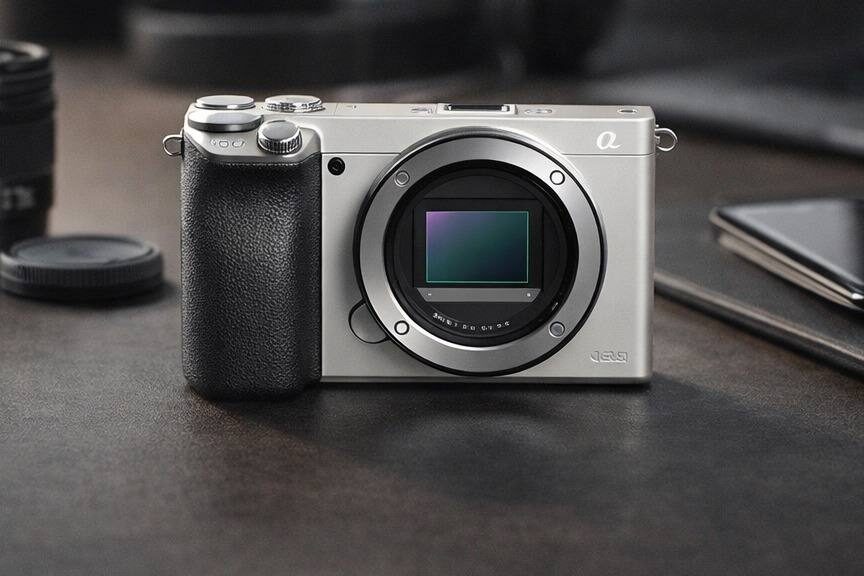
If you are shopping even smaller and cheaper than the a6000 line, the Sony a5100 review is the better place to judge that older entry-level body.
The Sony a6000 series is still one of the easiest mirrorless lineups to recommend, but the buying decision has changed. We now have the original a6000 for cheap used value, the a6100 for beginners who want modern autofocus, the a6400 for the best balance of price and performance, the a6600 for battery life and stabilization, and the a6700 as the current high-end APS-C body.
If you want the short version, the Sony a6400 is the best value pick for most photographers, the Sony a6100 is the sensible beginner model, and the Sony a6700 is the one to buy if you want Sony’s most current APS-C autofocus and video tools. If your shortlist is specifically those two bodies, use the Sony a6400 vs a6700 comparison before deciding. If you are choosing between the stabilized older body and Sony’s current APS-C flagship, the Sony a6600 vs a6700 comparison is the more relevant read.
Contents
- Sony a6000 series comparison table: quick recommendations
- Sony APS-C comparison: how this hub differs from full-frame Alpha
- Which Sony a6000 series camera should you buy?
- Best value Sony a6000 series deals to check
- Sony a6000 vs a6100
- Sony a6100 vs a6400
- Sony a6300 vs a6400
- Sony a6400 vs a6500
- Sony a6400 vs a6600
- Sony a6600 vs a6700
- Where the Sony ZV-E10 fits
- Lens choices matter more than the body jump
- My practical recommendation
- What about the rumored Sony A6200?
- Frequently asked questions
Sony a6000 series comparison table: quick recommendations
| Camera | Best for | Why it matters | Review |
|---|---|---|---|
| Sony a6000 | Cheapest used entry | Still good image quality, EVF, tiny body, low used prices | Review |
| Sony a6100 | Beginners and family photography | Modern autofocus, 4K video, simple body, strong value; compare it with the Sony a6000 vs a6100 | Review |
| Sony a6300 | Used 4K value | Better build than a6000, 4K video, good used pricing; compare it with the Sony a6300 vs a6400 | Review |
| Sony a6400 | Best all-round value | Real-time tracking, strong stills, strong video, sensible price; compare it with the Sony a6000 vs a6400 | Review |
| Sony a6500 | Used IBIS on a budget | In-body stabilization, compact body, still useful for adapted lenses; compare it with the Sony a6400 vs a6500 | Review |
| Sony a6600 | Battery life and handheld shooting | IBIS, larger Z battery, deeper grip, reliable hybrid performance; compare it with the Sony a6400 vs a6600 | Review |
| Sony a6700 | Best current APS-C Sony | Newest autofocus, better video tools, stronger creator body | Review |
Sony APS-C comparison: how this hub differs from full-frame Alpha
The a6000-series cameras are APS-C bodies. That means they use smaller sensors than Sony full-frame A7 cameras, but they also keep the kit smaller, cheaper, and easier to carry. This is why a Sony APS-C comparison should not be mixed too heavily with a full-frame A7 comparison. The buyer is usually solving a different problem.
Choose the a6000-series route if you want a compact travel camera, a family camera, a light wildlife setup, a budget mirrorless body, or a creator camera that leaves more money for lenses. Choose full-frame Alpha if you need stronger low-light performance, shallower depth of field, higher-end professional bodies, or the best Sony hybrid performance regardless of kit size.
Which Sony a6000 series camera should you buy?
The best Sony a6000 series camera depends on whether you care more about price, autofocus, stabilization, or video. The cameras all use APS-C sensors and accept Sony E-mount lenses, but they do not feel identical in real use.
For most readers, I would start the decision like this:
- Buy the Sony a6000 if price matters most and you mostly shoot travel, street, family, or learning photography.
- Buy the Sony a6100 if you want a beginner-friendly Sony with much better autofocus than the original a6000.
- Buy the Sony a6400 if you want the best balance of autofocus, image quality, video, and price.
- Buy the Sony a6600 if you want the bigger battery, better grip, and in-body image stabilization.
- Buy the Sony a6700 if you want the most modern Sony APS-C body and expect to shoot serious video as well as stills.
This lineup is less about megapixels than it looks. The real improvements are autofocus behavior, video features, stabilization, battery life, and handling.
If the a6700 is stretching your budget into older full-frame territory, the real decision is no longer just within the a6000 family. The Sony a6700 vs a7 III decision comes down to whether you want newer APS-C autofocus and video tools or older full-frame image quality.
Best value Sony a6000 series deals to check
This guide is primarily a comparison hub, but some models are still worth checking as actual buys. Availability changes often, especially for older bodies, so I would focus on the a6000, a6100, and a6400 before chasing discontinued bodies at inflated prices.
Sony a6000 – cheapest entry into the system
The original a6000 is old, but it still makes sense when the price is low. It gives you a 24MP APS-C sensor, a built-in viewfinder, interchangeable lenses, and a very compact body. It is not the camera I would choose for serious video or unpredictable action, but it remains a good starter body if your real plan is to spend more on lenses.

Sony a6100 – best beginner Sony APS-C body
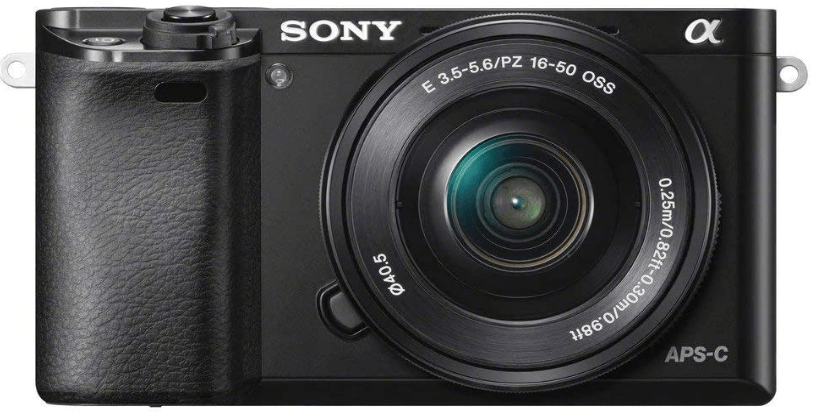
The a6100 is the camera I would point most beginners toward if they want a newer Sony body without paying a6700 money. The autofocus is a major step up from the a6000, and the camera is easier to trust for kids, pets, portraits, and casual travel video.

Sony a6400 – best balance for most photographers
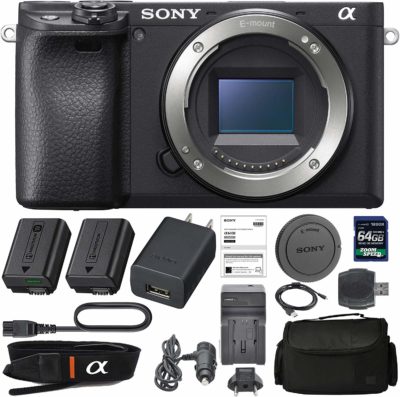
The a6400 is the sweet spot in the lineup. It has the autofocus performance that made Sony famous, good 4K video, a compact body, and a price that usually makes more sense than the a6600 or a6700 for stills-first photographers.

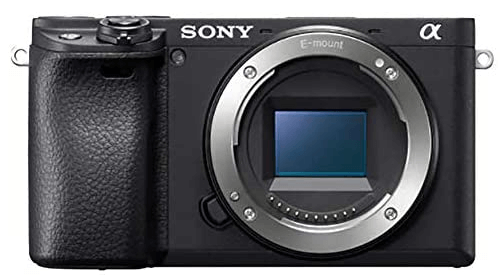
Sony a6000 vs a6100
The Sony a6000 is the better cheap used buy. The Sony a6100 is the better camera for most people.
The a6000 still produces attractive files and feels quick for general photography, but its autofocus is from an older era. The a6100 adds better tracking, real-time Eye AF, 4K video, and a more modern shooting experience. If you photograph people, pets, or kids, the a6100 is worth the extra money. If you mostly shoot landscapes, travel scenes, or slow subjects, the a6000 can still be a smart value.
Sony a6100 vs a6400
The Sony a6100 and Sony a6400 are close enough that price often decides the answer. The a6100 is the simpler beginner body. The a6400 is the stronger enthusiast body.
The a6400 gives you a tougher build, better control feel, more serious video options, and autofocus that remains excellent for action and portraits. If you are buying your first mirrorless camera and want to keep the kit light, the a6100 is enough. If you already know you care about sports, travel video, events, or long-term growth, the a6400 is the better buy.
Sony a6300 vs a6400
The Sony a6300 can be appealing used because it added 4K video and a stronger body than the original a6000. The problem is that the a6400 is usually the cleaner recommendation when prices are close.
The Sony a6400 has much better autofocus behavior, especially for eyes, faces, and moving subjects. It also feels more current for hybrid shooting. I would only choose the a6300 if you find a genuinely good used deal and do not need the best autofocus in the series.
Sony a6400 vs a6500
The Sony a6400 is newer and better for autofocus. The Sony a6500 has in-body image stabilization.
That is the real trade-off. If you use unstabilized primes, manual lenses, or adapted lenses, the a6500 still has a case. For most people buying today, the a6400 is easier to recommend because its autofocus and video behavior feel more modern. I would treat the a6500 as a niche used-market pick, not the default choice.
Sony a6400 vs a6600
The Sony a6400 is the better value. The Sony a6600 is the better body if you shoot all day or want stabilization.
The a6600 adds IBIS, the larger Z battery, a deeper grip, and a more comfortable body for longer sessions. That matters for events, travel days, handheld video, and larger lenses. Still, the image quality difference is not dramatic. If your budget is fixed, I would rather buy an a6400 with a better lens than an a6600 with a weak kit zoom.
Sony a6600 vs a6700
The Sony a6600 is the mature older flagship of the a6x00 style bodies. The Sony a6700 is the modern successor for photographers and hybrid creators.
The a6700 brings a newer sensor generation, stronger subject recognition, better video features, and a more current control layout. If you shoot serious video, wildlife, fast action, or mixed creator work, the a6700 is the body I would want. If you mostly shoot stills and find an a6600 at a strong discount, the a6600 remains a practical camera because of its battery and stabilization.
Where the Sony ZV-E10 fits
The Sony ZV-E10 belongs in the APS-C conversation, but it is not really an a6000 series camera in the same sense. It uses the same E-mount ecosystem and shares a similar sensor class, but it is built around video creators rather than viewfinder photographers.
The main reason to choose a ZV-E10 style body is the creator layout, flip screen, microphone emphasis, and lightweight video setup. The main reason to stay with an a6000-series body is the electronic viewfinder. If you shoot stills in bright light, travel, street photography, or family photography, that viewfinder matters more than people expect.
Lens choices matter more than the body jump
Once you are inside the Sony APS-C system, lenses often change your results more than moving one body generation forward. A cheap body with a strong lens can outperform a newer body with a weak kit zoom.
Good first upgrades include:
- Sigma 30mm f/1.4 DC DN: one of the best value primes for portraits, low light, and everyday photography.
- Sony 35mm f/1.8 OSS: compact, stabilized, and useful for travel and family work.
- Sony 18-135mm OSS: a practical travel zoom that suits the whole a6000 series well.
- Tamron 17-70mm f/2.8: a stronger enthusiast zoom for events, portraits, and video.
This is why I do not recommend blindly buying the newest body. If choosing the a6400 instead of the a6700 lets you buy a better lens, that can be the smarter photography decision.
My practical recommendation
For most Lens and Shutter readers, the Sony a6400 is the best Sony a6000 series camera to buy in 2026. It has the autofocus performance people expect from Sony, strong still image quality, useful 4K video, and a price that usually leaves room for a better lens.
The Sony a6100 is the best choice for beginners who want a newer body and modern autofocus without paying for features they may not use. The Sony a6000 is still worth buying only when the price is low enough. The Sony a6600 is the battery and stabilization pick. The Sony a6700 is the best current APS-C Sony for serious hybrid shooters.
What about the rumored Sony A6200?
A quick naming note: Sony often brands this family as Alpha, with model styling such as Sony α6400 or Sony α6700. On this site I mostly use the simpler a6000, a6400, and a6700 wording because it is clearer for search and easier to scan.
The Sony A6200 is not an announced camera, so I would not put it in the same recommendation table as real models. It is worth watching only if you are not in a hurry and want a possible future mid-range APS-C body below the a6700. If you need a camera now, shop the existing a6100, a6400, a6600, or a6700 instead.
Frequently asked questions
Is the Sony a6000 series still worth buying in 2026?
Yes, the Sony a6000 series is still worth buying because the image quality remains strong and the E-mount lens system is excellent. The best value is usually in the a6100, a6400, and carefully priced used a6000 bodies.
Which Sony a6000 series camera is best for beginners?
The Sony a6100 is the best beginner pick if you want a newer camera. The original a6000 is the cheaper option if you are buying used and mainly want to learn photography.
Which Sony a6000 series camera is best for video?
The Sony a6700 is the best video body in this family of Sony APS-C cameras. The Sony a6400 is the better value hybrid camera, while the a6600 is useful if you want better battery life and stabilization.
Is the Sony a6400 better than the a6600?
The Sony a6400 is better value for most stills photographers. The Sony a6600 is better if you need in-body stabilization, a larger battery, and a deeper grip.
Is the Sony a6700 part of the a6000 series?
The Sony a6700 is the modern successor to the a6x00 APS-C line, even though Sony’s naming moved beyond the older a6000, a6100, a6300, a6400, a6500, and a6600 sequence. For buyers, it belongs in the same decision set.
Last update on 2026-06-24 / Affiliate links / Images from Amazon Product Advertising API


