



View full specs
Contents
- Retailers and Sony documentation may call it the Sony Alpha a6600, and Sony also uses the α6600 mark in branding. In this review I mostly use a6600, but the Alpha and α spellings are useful to recognize when comparing listings. Who the Sony a6600 is really for
- Design, handling, and everyday shooting comfort
- Autofocus performance and burst shooting in real use
- Image quality from the sensor to the final edit
- Video features and the limits you should know
- Battery life, ports, and lens pairing on Lens and Shutter
- Sony a6600 vs newer alternatives and overall value
- Frequently asked questions
- Key takeaways
Retailers and Sony documentation may call it the Sony Alpha a6600, and Sony also uses the α6600 mark in branding. In this review I mostly use a6600, but the Alpha and α spellings are useful to recognize when comparing listings.
Who the Sony a6600 is really for
Every camera promises versatility, but the Sony a6600 review stands out for those who need a do-it-all tool that will not let them down in unpredictable situations. The a6600 is not aimed just at professionals, though serious shooters will appreciate its robust autofocus and battery life. Instead, it finds its true audience among advanced enthusiasts, hybrid creators, travel shooters, and anyone who values reliability across different photographic genres.
If you are the type who wants one camera to cover family gatherings, street photography, landscapes, and even the occasional paid portrait session, the Sony a6600 makes a compelling case. Who should buy the Sony a6600? Photographers who want to keep their kit streamlined, prefer APS-C for reach and compactness, and who are not swayed by the latest full-frame hype. It is especially suited for those who have already invested in Sony E-mount lenses and want the flexibility of using them on a lighter, smaller body.
In my experience, the a6600 is also a smart backup for professionals using Sony full-frame cameras. The controls and color science are familiar, and the autofocus performance remains top-tier. For travelers, the camera’s in-body image stabilization, larger battery, and dust/moisture-resistant body help when the weather turns or the day runs long. If you frequently move between stills and video, the a6600’s feature set remains useful, even if newer models have leapfrogged it in pure specs. Readers cross-shopping smaller Sony APS-C bodies should also compare it with this Sony a6400 review, the broader Sony A6000 series guide, and the newer Sony a6700 review. If the decision is specifically value versus IBIS and battery life, use the Sony a6400 vs a6600 comparison. If it is old flagship value versus the current body, use the Sony a6600 vs a6700 comparison.
Where it starts to show its age is in pure tech appeal. If you crave the highest resolution or the latest autofocus algorithms, you may look elsewhere. However, for the stubbornly practical, the Sony a6600 for photographers who really shoot a bit of everything is still a wise investment, especially as prices settle to a more reasonable level.
Design, handling, and everyday shooting comfort
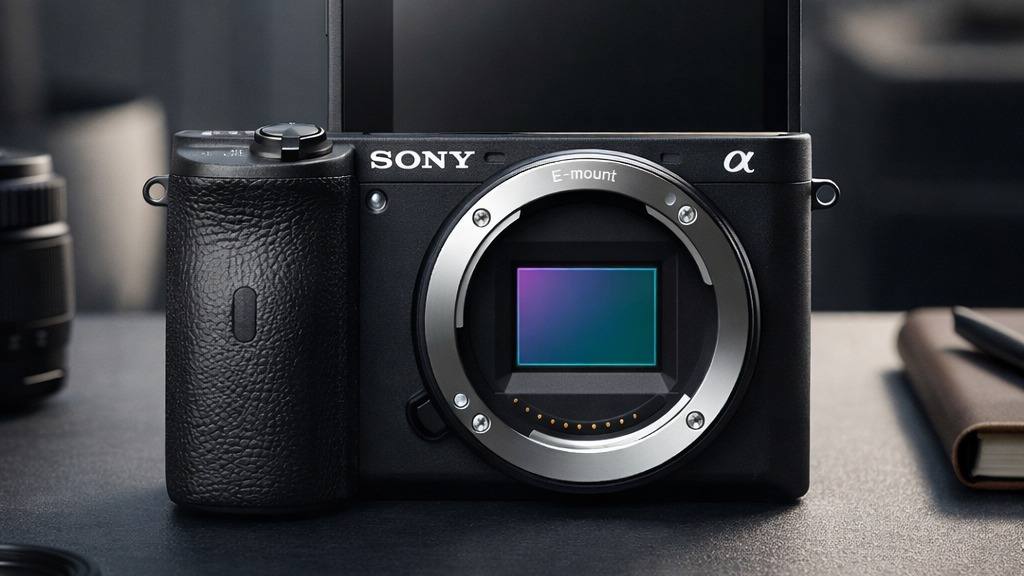
Picking up the a6600 for the first time, you immediately notice the blend of compactness and substance. It is heavier than most entry-level APS-C cameras, but this pays off in balance and confidence, especially with larger lenses. The camera’s magnesium alloy body feels solid, with a deep, well-contoured grip that is one of the best in Sony’s APS-C lineup. Even after a full day of shooting, hand fatigue is minimal, which can not be said for slimmer models.
Sony a6600 handling is a mixed bag. The button layout is familiar to anyone who has used earlier Alpha models, but some controls still feel undersized. The rear dial is small, and the customizable buttons can be accidentally pressed when shooting quickly. The top plate’s minimalist approach means you sometimes need to dive into menus for less-common settings, which can slow you down if you are in a hurry.
The grip is the standout here. It is tall and deep enough to accommodate the larger Z-battery, which is a major plus for all-day shooting. Even with the 70-350mm G lens attached, the camera stays well balanced. However, left-hand ergonomics are not as refined; there is no front command dial, and the menu system, while improved in later models, is still labyrinthine on the a6600.
The menu experience is a classic Sony compromise. There are plenty of customization options, but finding them requires patience. The new menu system found on recent Alpha models is much quicker to navigate, but if you set up the My Menu tab and use the Function (Fn) menu, most common settings are only a few taps away. Touchscreen functionality is limited to focus point selection and image review, not full menu navigation, which feels dated compared to 2026’s compact digital cameras.
In daily use, the a6600’s design choices hold up. The electronic viewfinder is bright and responsive, and the flip-up rear LCD is handy for waist-level shooting and vlogging, though it is not fully articulating. The weather sealing has handled light showers and dusty hikes without issue. Ultimately, the a6600’s design is about trustworthy practicality, not flash or novelty, and it delivers comfort and confidence in everyday shooting.
Autofocus performance and burst shooting in real use
Autofocus is where the a6600 still feels remarkably current, even as newer models push the boundaries further. The Real-time Tracking system is fast and sticky, picking up subjects and holding them in focus as they move across the frame. For portraits, the Eye AF is a revelation. It locks onto your subject’s eye, whether you are photographing children, adults, or even pets, making missed focus a thing of the past in most cases.
In sports or street photography, the burst rate of 11 frames per second is more than enough for catching the peak moment. The buffer is not bottomless, but with modern SD cards, it rarely becomes a bottleneck for stills shooters. There are a few quirks; in continuous burst with RAW+JPEG, the camera can slow down after a few seconds, and reviewing images during clearing is sluggish. These are minor annoyances rather than dealbreakers.
Eye AF, tracking, and keeper rate
Sony a6600 Eye AF is not just fast, it is reliable. In my real-world tests, whether photographing a toddler running across a playground or a musician in low light, the camera maintained accurate focus on the eye about 80-90% of the time. For action, the Real-time Tracking is particularly impressive, following unpredictable movement with confidence. The keeper rate – the percentage of in-focus shots from a burst – is consistently high, especially with native Sony E-mount lenses.
The only exceptions come in extremely low light or with erratic, backlit subjects, where focusing can occasionally hunt. But for its generation, the a6600 sets a high bar. Compared to compact digital cameras making a comeback in 2026, the a6600’s autofocus still feels responsive and modern, especially for photographers coming from older DSLR systems. If you are upgrading from an older APS-C Sony body, this Sony A6000 review helps show how much the system matured.
Image quality from the sensor to the final edit
The 24.2-megapixel APS-C sensor in the a6600 is well-proven. It produces detailed images with pleasing color and enough flexibility for serious editing. Out of camera, JPEGs have Sony’s characteristic punch in contrast and color, though many photographers will prefer to shoot RAW for the best results.
Dynamic range is a strong point. You can recover shadows and highlights in post-processing without introducing distracting noise or banding, especially at low ISO. For landscape and travel shooters, this means you can bring back detail from bright skies or deep shadows – a real asset when shooting in difficult lighting.
Dynamic range, color, and high ISO results
The a6600’s dynamic range is among the best in APS-C cameras of its era, rivaling some entry-level full-frame models. Colors are accurate and natural, with skin tones that can be tuned to taste in post. Compared to older Sony sensors, color rendering is less clinical, though you may still need to tweak greens and magentas for certain scenes.
In low light, the a6600 holds up well. Up to ISO 3200, noise is minimal and detail retention is strong. At ISO 6400 and above, grain becomes more noticeable, but files remain usable for web or small prints. The in-body image stabilization helps squeeze a few extra stops of handheld performance, making it possible to shoot in dim venues or at night without always reaching for a tripod.
From sensor to final edit, the Sony a6600 image quality will satisfy most demanding photographers who balance quality with portability. For a broader look at where it fits across the lineup, the site’s Sony A camera comparison guide is the natural next read.
Video features and the limits you should know
4K quality, stabilization, and vlogging practicality
When it comes to video, the Sony a6600 delivers a mix of strengths and clear limits, especially for those who want a hybrid camera for both stills and motion. The a6600 can shoot 4K video up to 30 frames per second, using the full width of its APS-C sensor. This means you get sharp footage, good detail, and a natural field of view without a heavy crop. In well-lit conditions, the Sony a6600 4K video looks crisp, with pleasing color and enough dynamic range for simple grading.
The camera also offers log profiles such as S-Log3 and HLG, which are useful for those who want to push their footage in post-production. However, you will need to expose carefully since the 8-bit color depth means you do not have as much flexibility as with 10-bit files, now common on some newer models. Rolling shutter is present, but not extreme; it is noticeable when panning quickly or tracking fast subjects but is manageable for casual use and slow movement.
For vlogging and handheld video, the Sony a6600’s in-body image stabilization (IBIS) is a welcome feature. It smooths out minor shakes and jitters, letting you shoot more confidently without a gimbal. Still, if you compare the stabilization to newer Sony bodies or Micro Four Thirds cameras, you may notice that the a6600’s IBIS is effective, but not the smoothest available. Walking and talking shots will look better than on non-stabilized cameras, but some bounce can remain.
One point many users notice is the screen design. The a6600 has a tilting touchscreen that flips up for selfie framing, but it is not a fully articulating design. If you use a microphone on the hot shoe, the screen becomes partially blocked, which is a frustration for solo creators and vloggers. The touchscreen itself is also limited in function, mostly for touch focus rather than full menu navigation. This, combined with the older menu system, slows down quick changes in video settings.
On the plus side, the a6600 does not suffer from the 30-minute video recording limit that plagued many older mirrorless cameras. You can record for as long as your memory card and battery allow, making the a6600 suitable for longer interviews, presentations, or events.
Audio options are solid. You get both a microphone input and a headphone jack, which are essential for monitoring and capturing clean sound. The preamps are decent for this class, and you can dial in audio levels manually. For those shooting YouTube videos, talking-heads, or casual documentaries, this makes the Sony a6600 vlogging experience flexible, even if it is not as frictionless as with some newer cameras.
In summary, the Sony a6600 video capabilities cover most everyday needs for content creators, travelers, and hybrid shooters. Just be aware of the slightly dated screen design, the limits of 8-bit color, and the modest IBIS performance compared to the latest competition.
Battery life, ports, and lens pairing on Lens and Shutter
One of the standout features of the Sony a6600 is its battery life. Sony upgraded this model with the NP-FZ100 battery, the same large-capacity pack found in their full-frame Alpha series. In real-world use, you can expect around 700-800 shots per charge, sometimes more with power-saving habits. For video shooters, this translates to hours of recording time. On long days – think weddings, travel, or full-day street shoots – this is a major advantage. You will rarely need to swap batteries, which reduces interruptions and lets you focus on shooting.
The a6600 offers a practical set of ports for its class. You get a USB port (Micro-USB, not USB-C), HDMI output, a microphone input, and a headphone jack. The presence of both audio jacks is great for video creators, as mentioned above. Charging via USB is possible, but the older Micro-USB format is slower and less robust than the USB-C ports found on newer cameras. If you rely on fast in-camera charging or want to tether the camera for fast data transfer, this is a limitation worth noting.
Memory support is fairly standard: a single SD card slot, with UHS-I speed only. This is not a dealbreaker for most stills shooters, but if you shoot a lot of 4K video or fast burst sequences, the buffer can fill up, causing some waiting as the camera writes files. Dual slots and UHS-II are now common on higher-end models and even some competitors at this price point.
Lens pairing is where the Sony a6600 truly shines, especially for those using Lens and Shutter or similar local stores. The camera uses Sony’s E mount, which means you have access to a vast ecosystem of lenses. Whether you want compact primes for street photography, wide zooms for landscapes, or fast telephotos for action, there is an E-mount lens to suit.
Some of the best lenses for Sony a6600 include the Sigma 16mm f/1.4 for wide-angle work, the Sony 18-135mm for all-around versatility, and the Sony 70-350mm for wildlife or sports. For travel and lightweight kits, the Sony 35mm f/1.8 or 50mm f/1.8 are excellent companions. The in-body stabilization helps even when using non-stabilized primes, giving you extra confidence in low light.
If you shop at Lens and Shutter, you will find both Sony and third-party glass, including Tamron and Sigma, which offer great optical performance at reasonable prices. The camera balances well with small to medium lenses, but heavier telephotos can feel a bit front-heavy due to the compact grip.
To sum up, the Sony a6600 battery life is a major selling point, and the port selection covers most creative needs, though it shows its age with slow USB and single card slot. The lens ecosystem, on the other hand, remains a huge strength for anyone who wants flexibility and future-proofing.
Sony a6600 vs newer alternatives and overall value
Pros, cons, and whether it is still worth buying
The camera world moves quickly, and the Sony a6600 now faces tough competition from both its own siblings and rival brands. The most direct comparison is the Sony a6600 vs a6700. The a6700 offers a new sensor, improved autofocus, and much better video specs, including 10-bit color, 4K 60p, a fully articulating screen, and a more modern menu system. For video creators and those who want the latest tech, the a6700 is a clear step up.
However, the a6600 still has real strengths. Its autofocus is fast and reliable for portraits, action, and family moments. The battery life is exceptional, and the build quality remains robust with good weather sealing. For stills photographers who do not need the ultimate video features or the very latest autofocus tweaks, the a6600 continues to deliver dependable performance. Its price has also dropped, making it an attractive entry point into the Sony ecosystem.
There are cons to consider. The a6600’s user interface feels dated, and the screen limitations frustrate vloggers. The single UHS-I card slot and lack of USB-C connectivity are now behind the times. If you shoot a lot of video and want the smoothest workflow, these factors matter. For those who want the best value, compact digital cameras are making a comeback in 2026, offering simpler use and easy carry, though they lack the flexibility of interchangeable lens cameras like the a6600.
If you own E-mount lenses or want maximum choice in glass, the a6600 remains a logical choice, especially for stills. For hybrid shooters, the decision comes down to price and how much you value the latest video specs and ergonomics. At a good used or discounted price, the a6600 still offers excellent value for the right shooter.
Frequently asked questions
- Is the Sony a6600 still worth buying in 2026?
Yes, for many photographers. The a6600 offers excellent autofocus, long battery life, and access to a huge range of E-mount lenses. If you shoot mostly stills or want a reliable hybrid camera at a lower price, it remains a strong choice. For those prioritizing the newest video features, newer models may be a better fit. - How good is the Sony a6600 autofocus for portraits and action?
The autofocus is fast, accurate, and sticky, especially for faces and eyes (human and animal). It works well in both single shot and continuous modes, making it suitable for portraits, events, and even sports with the right lens. - Does the Sony a6600 shoot good video for YouTube and travel?
The a6600 captures sharp 4K video with good color and in-body stabilization, making it well-suited for YouTube, vlogging, and travel. The main drawbacks are the limited touchscreen, the up-flip screen that can be blocked by a mic, and its 8-bit color. For basic content, it performs very well. - What are the biggest drawbacks of the Sony a6600 today?
The main drawbacks are its dated menu system, limited touchscreen functionality, single UHS-I card slot, and lack of USB-C. For video shooters, the 8-bit color and screen design can be limiting compared to newer Sony and competitor models. - Which lenses pair best with the Sony a6600 for everyday photography?
For general use, the Sony 18-135mm is a great all-rounder. The Sigma 16mm f/1.4 is excellent for wide shots and low light. For portraits, the Sony 50mm f/1.8 or 85mm f/1.8 are strong options. Compact primes like the Sony 35mm f/1.8 are perfect for street and travel.
Key takeaways
- The Sony a6600 remains a strong all-round APS-C camera with excellent autofocus, dependable battery life, and solid image quality.
- Its age shows in areas like the menu system, screen design, and competition from newer Sony bodies with better video and usability.
- For photographers who prioritize reliable stills performance and access to great E-mount lenses, it can still be a smart buy at the right price.
Sony APS-C shooters who want IBIS, strong battery life, solid autofocus, and a compact all-round body.
You need the newest subject detection, 10-bit video, a fully articulating screen, or better value than used a6400 bodies.
Medium; it is capable but expensive used, and Sony menus reward setup time.
Sony a6700 for modern AF/video, or full-frame a7C II/a7 IV if sensor size matters more.
Good 4K, but 8-bit files, older screen design, and no 4K 60p keep it behind newer bodies.
Yes if priced below a6700; no if the discount is small.


