



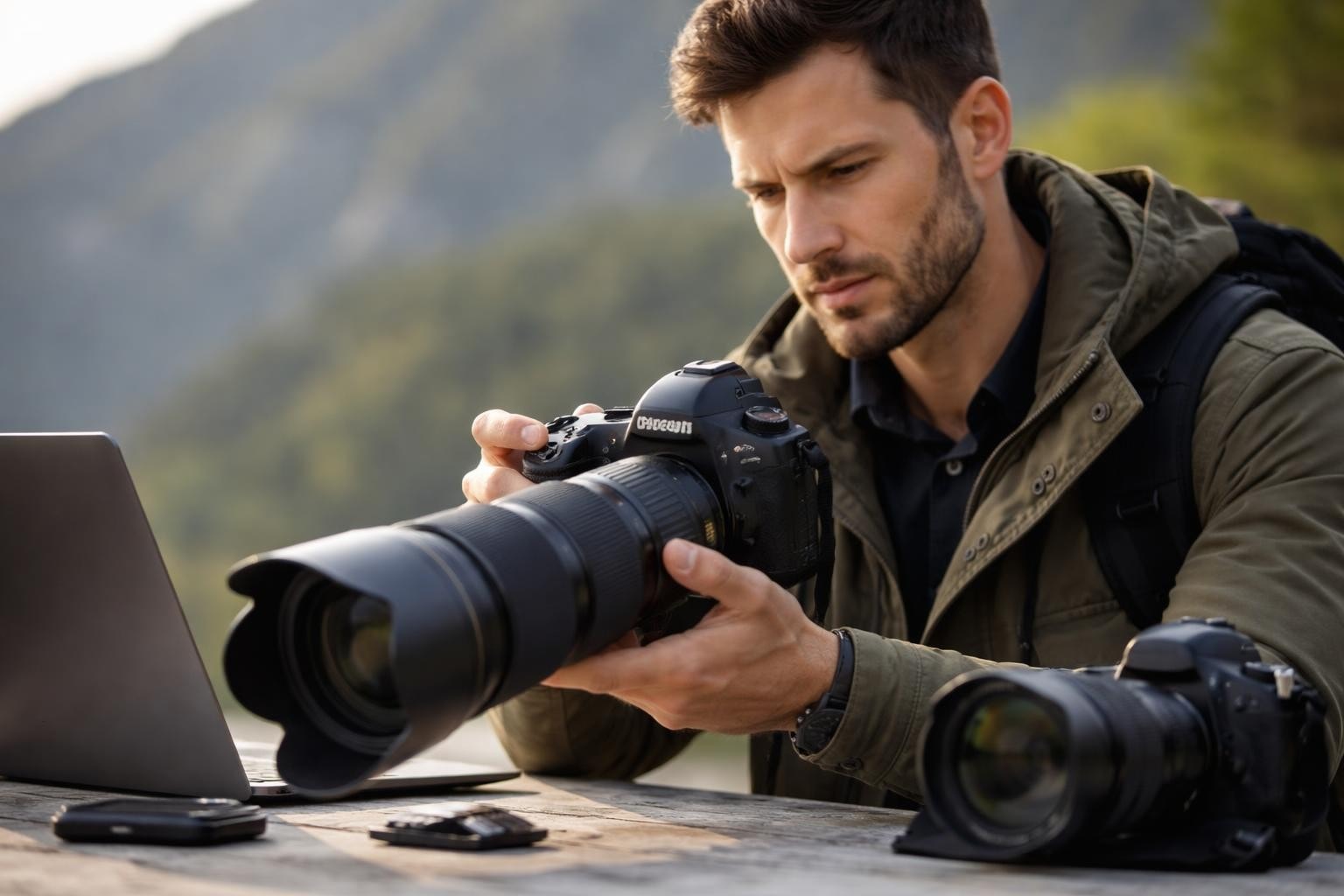
The Nikon Z9 arrived on the market as a statement camera, positioning itself directly against established workhorses like the Sony A1 and Canon EOS R3. After extensive use across multiple shooting scenarios, from wildlife sessions to studio portraits and event coverage, this nikon z9 review aims to provide genuine insights beyond specification sheets. This is a professional tool built for serious work, and understanding its strengths and limitations matters far more than simply listing features.

Contents
- Performance that changes how you shoot
- Electronic viewfinder and shooting experience
- Image quality across diverse situations
- Video capabilities for hybrid shooters
- Build quality and weather sealing
- Real limitations worth understanding
- Who this camera serves best
- Firmware evolution and long-term support
- Memory card performance and workflow
- Comparing against direct competition
- Long-term ownership considerations
- Final perspective on the nikon z9 review
Performance that changes how you shoot
Walking into a wildlife assignment with the Z9 feels different from other mirrorless bodies. The grip balances substantial weight without fatigue, and the immediate responsiveness reminds you this camera was engineered for professionals who can’t afford missed shots.
The sensor delivers 45.7 megapixels of resolution, which provides enough detail for significant cropping while maintaining image quality. Real-world testing shows this resolution sweet spot works well across diverse subjects, from distant birds to commercial product photography. The file sizes remain manageable compared to 60+ megapixel alternatives, which matters when you’re processing hundreds of images after a long shoot.
Autofocus system performance
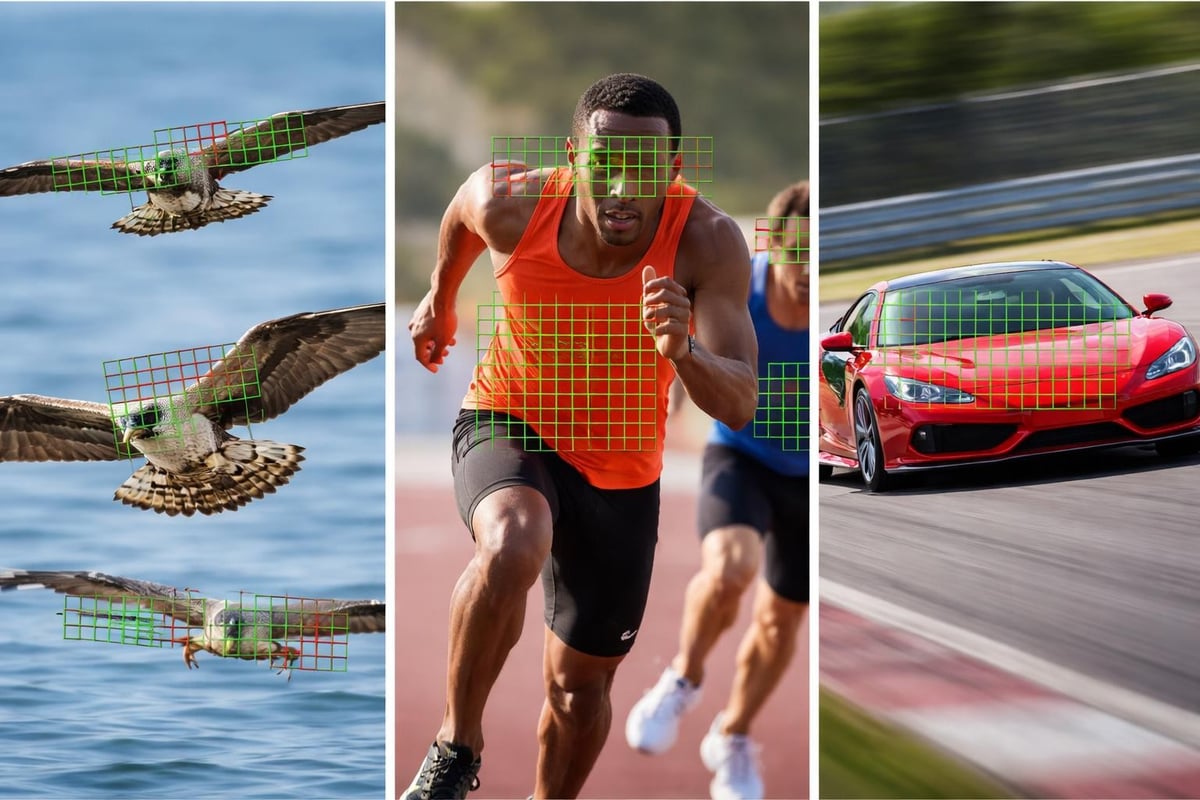
This autofocus system represents a significant step forward for Nikon. The 493-point hybrid system covers approximately 90% of the frame, and subject detection works reliably across challenging scenarios. Testing with erratic bird flight patterns showed consistent tracking, maintaining focus even when subjects moved unpredictably.
Subject detection includes:
- People (eyes, faces, upper bodies)
- Animals (dogs, cats, birds)
- Vehicles (cars, motorcycles, bicycles, trains, planes)
The system identifies subjects quickly and switches between detection modes intelligently. During a motorsport assignment, the camera transitioned smoothly between multiple motorcycles entering the frame, maintaining focus on the lead subject without manual intervention. Firmware updates have continued improving autofocus capabilities, addressing minor issues and enhancing reliability.
However, the system isn’t flawless. In extremely low contrast situations, particularly photographing black animals against dark backgrounds, the autofocus occasionally hunts before locking. This happens rarely but remains worth noting for photographers working in challenging conditions regularly.

Electronic viewfinder and shooting experience
The Z9 eliminated the mechanical shutter entirely, relying exclusively on electronic shutter operation. This design choice brings advantages and considerations that affect daily shooting differently than traditional cameras.
Benefits of electronic-only operation:
- Completely silent shooting for sensitive environments
- No shutter mechanism wear or failure points
- Reduced camera vibration during exposure
- Faster maximum shutter speeds (1/32000 second)
The 3.69-million dot OLED viewfinder provides exceptional clarity with minimal lag. The 120fps refresh rate creates a viewing experience that closely approximates optical viewfinders, particularly important when tracking fast subjects. Blackout-free shooting at 20fps or 30fps RAW means you maintain complete visual contact with your subject throughout burst sequences.
Testing in bright outdoor conditions revealed the viewfinder remains visible and usable, though extremely bright sunlight occasionally requires shielding your eye for optimal viewing. The rear LCD tilts but doesn’t fully articulate, which limits flexibility for low-angle work compared to fully articulating screens.
Real continuous shooting capabilities
The specification sheet promises 20fps with full autofocus and auto-exposure, or 30fps with minor limitations. Real-world performance matches these claims impressively. Shooting 20fps RAW+JPEG to dual CFexpress cards maintains this speed until buffer fills, which takes approximately 1000 frames with fast cards.
Buffer clearing happens quickly with CFexpress Type B cards, typically within 10 seconds after a lengthy burst. This performance exceeds many competing cameras and proves essential for photographers shooting sports, wildlife, or events where action happens unpredictably.
The camera handles heat management well. Extended 8K video recording sessions lasting 90+ minutes produced only moderate warmth without overheating shutdowns. This 8K recording capability without overheating positions the Z9 among the most reliable options for professional video work.
Image quality across diverse situations
Sensor performance delivers results that feel characteristically Nikon. Colors render naturally with good saturation straight from camera, though personal preference always plays into color science evaluations. Dynamic range proves excellent, with shadows lifting cleanly and highlights holding detail even in challenging lighting.
| ISO Setting | Noise Level | Recommended Use |
|---|---|---|
| 64-800 | Minimal | Studio, landscape, commercial |
| 1600-6400 | Low, very usable | Events, general photography |
| 12800-25600 | Moderate, acceptable | Low light, available light work |
| 51200+ | Higher, specialized use | Emergency situations only |
Testing across this ISO range showed usable files well into five-digit ISO values. A concert assignment shot primarily between ISO 6400-12800 produced clean images requiring minimal noise reduction. The high ISO performance particularly benefits photographers working in available light situations where flash isn’t permitted or appropriate.
Color accuracy remains consistent across the ISO range, without the significant color shifts some cameras exhibit at extreme settings. This consistency matters when mixing images from different lighting conditions in a single project.

Video capabilities for hybrid shooters
Many photographers now need competent video features, and the Z9 delivers professional-grade capabilities. The 8K60p internal recording provides exceptional resolution for projects requiring maximum detail or extensive post-production flexibility. 4K recording offers multiple frame rate options up to 120fps for slow-motion work.
Video autofocus performs reliably, maintaining focus on moving subjects without excessive hunting. Eye detection works well for interview scenarios, and the transition between subjects happens smoothly. However, manual focus remains preferable for controlled narrative work where precise focus adjustments matter.
Video recording formats:
- 8K UHD at 60p, 30p, 24p (N-RAW or ProRes RAW HQ via external recorder)
- 4K UHD at 120p, 60p, 30p, 24p
- Full HD at 120p for extended slow motion
The internal recording codec (H.265) produces manageable file sizes while maintaining quality. A 15-minute 8K60p clip generates approximately 50GB of data, requiring substantial storage but remaining workable for professional projects. Heat management during extended video sessions performs well, as mentioned previously, without the overheating issues plaguing some competitors.
Audio recording through dual XLR inputs (with optional adapter) provides professional quality, and the camera includes helpful monitoring tools like waveforms, zebras, and focus peaking. These features matter for serious video work and position the Z9 as a genuine hybrid tool.
Build quality and weather sealing
The magnesium alloy body construction feels substantial without becoming cumbersome. Weight distribution balances well with larger telephoto lenses, and the integrated vertical grip provides comfortable handling for extended periods.
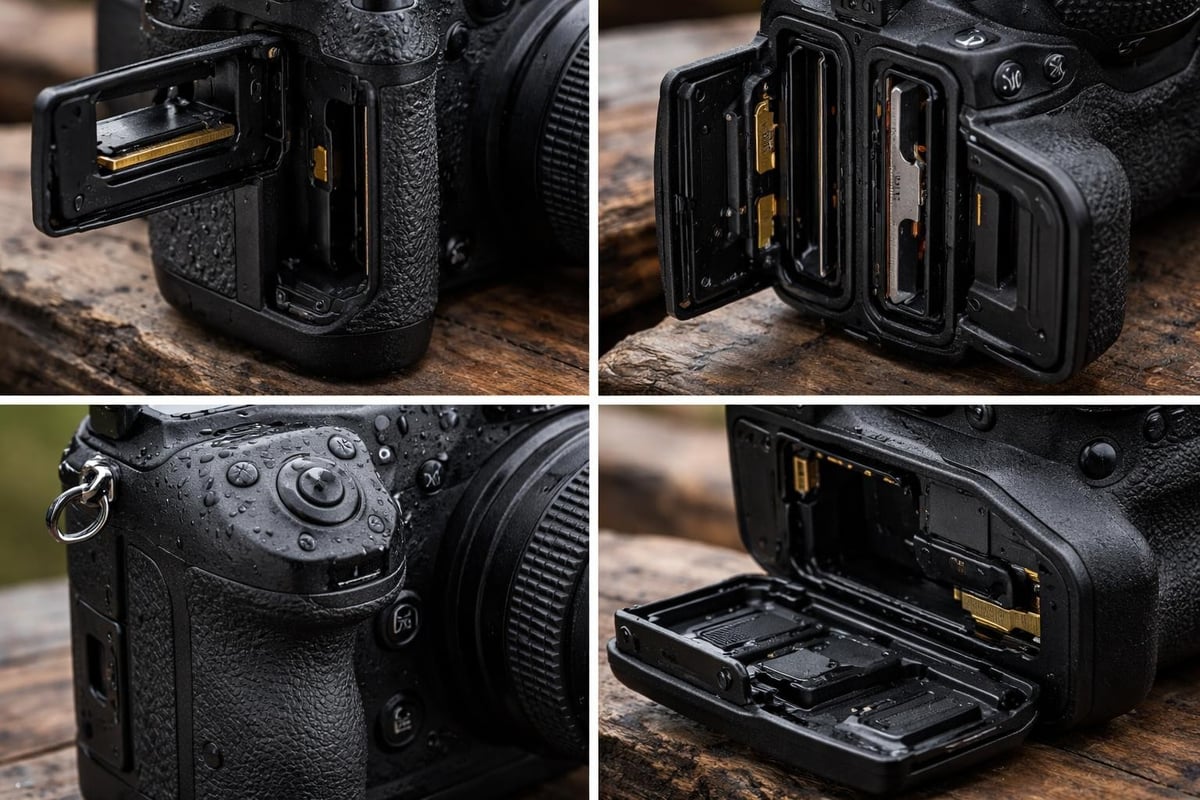
Weather sealing proves robust through testing in light rain and dusty environments. Gaskets seal all buttons, doors, and the lens mount. While no camera should be intentionally subjected to harsh conditions, the Z9 handles environmental challenges confidently. Photographers working outdoors regularly will appreciate this protection.
Battery life deserves special mention. The EN-EL18d battery provides exceptional endurance, typically delivering 700-900 shots per charge with mixed shooting. Video recording naturally drains batteries faster, but having spare batteries ensures full-day shooting without concerns. The USB-C charging option adds flexibility, allowing in-camera charging from power banks during field work.
Ergonomics and customization
Button layout follows familiar Nikon professional camera design, which helps existing Nikon users adapt quickly. Photographers switching from other systems need several shooting sessions to build muscle memory, but the logic becomes intuitive with use.
Customization options run deep. Nearly every button accepts function reassignment, and custom shooting banks store complete camera setups for different scenarios. This flexibility matters when switching rapidly between wildlife shooting and event coverage, allowing instant configuration changes.
The touchscreen responsiveness works well for menu navigation and focus point selection. However, traditional button and dial control remains faster for most adjustments during active shooting. The interface balances touch and physical control reasonably, though personal preference determines which approach feels more natural.
Real limitations worth understanding
No camera serves every photographer perfectly, and the Z9 brings compromises alongside its strengths. Understanding these limitations helps determine whether this camera fits your specific needs.
The weight reaches approximately 1340g with battery, making it one of the heavier mirrorless options. Photographers accustomed to lighter bodies notice this difference during all-day shooting. However, the weight provides stability with telephoto lenses and feels appropriate for a professional tool.
The lens ecosystem continues expanding, but gaps remain compared to mature systems. Nikon has prioritized professional optics, meaning affordable options exist less frequently than prosumer alternatives. The excellent Z-mount glass available performs beautifully, but building a complete kit requires significant investment. If you’re considering entry into photography with a more modest budget, exploring our guide to cameras under 700 dollars might provide better starting points before committing to flagship systems.
Rolling shutter remains visible when panning quickly or photographing fast-moving subjects with rapid movements. The electronic shutter performs well overall, but this artifact appears occasionally. Most shooting scenarios don’t reveal this issue, but awareness helps when it matters.
Who this camera serves best
After extensive real-world testing, certain photographer profiles benefit most from what the Z9 offers. This remains a specialized tool despite its versatile capabilities.
Ideal users include:
- Wildlife and sports photographers needing reliable autofocus, high frame rates, and weather-sealed durability
- Professional photojournalists requiring silent operation, extensive battery life, and robust build quality
- Hybrid shooters balancing serious still photography with professional video requirements
- Commercial photographers needing high resolution, excellent color accuracy, and reliable performance
The camera makes less sense for casual enthusiasts, travel photographers prioritizing light weight, or shooters primarily working in controlled studio environments where many Z9 capabilities remain unused. The wildlife photography capabilities particularly stand out, making this camera exceptional for nature photographers working with unpredictable subjects.
Price positioning places the Z9 firmly in professional territory. The investment makes sense when camera performance directly impacts income or when specific capabilities justify the cost. Enthusiasts considering this camera should honestly evaluate whether they’ll utilize the professional features enough to warrant the expense.
Firmware evolution and long-term support
Nikon has demonstrated strong commitment to improving the Z9 through firmware updates. These updates haven’t merely fixed bugs but have added meaningful features and performance improvements. The continuous development suggests Nikon views this camera as a long-term flagship worthy of ongoing enhancement.
Recent updates have brought features like improved autofocus algorithms, additional customization options, and enhanced video capabilities. This development pattern matters when considering long-term value, as the camera you purchase today will likely gain features over time rather than becoming immediately outdated.
The update process works simply through SD card installation, and Nikon provides clear documentation for each firmware release. Staying current with updates ensures optimal performance and access to the latest improvements.
Memory card performance and workflow
The dual CFexpress Type B card slots provide exceptional speed and reliability. These cards remain expensive compared to SD alternatives, but the performance justifies the cost for professional work. Write speeds support the camera’s maximum burst rates without bottlenecking, and read speeds accelerate file transfer during post-production.
Card configuration options include overflow, backup, and separation by file type. The backup mode provides peace of mind during critical assignments, ensuring complete redundancy if one card fails. Testing showed no card-related slowdowns or issues during extended shooting sessions.
Workflow integration works smoothly with modern computers equipped with fast card readers. Transferring several hundred RAW files completes quickly, allowing efficient editing turnaround. The Nikon NX Studio software provides capable raw processing, though many photographers prefer third-party alternatives like Capture One or Lightroom.
Comparing against direct competition
The professional mirrorless market includes several compelling alternatives, each with distinct advantages. Understanding how the Z9 positions against competitors helps clarify whether it suits your specific requirements.
| Feature | Nikon Z9 | Sony A1 | Canon R3 |
|---|---|---|---|
| Resolution | 45.7MP | 50.1MP | 24.1MP |
| Burst Rate | 20fps / 30fps | 30fps | 30fps |
| Video | 8K60p | 8K30p | 6K60p |
| Viewfinder | 3.69M dot | 9.44M dot | 5.76M dot |
| Weight | 1340g | 737g | 1015g |
| Battery Life | ~700 shots | ~530 shots | ~620 shots |
The Sony A1 offers higher resolution and a superior viewfinder while weighing significantly less. However, the Z9 provides better video specifications and superior battery life. Canon’s R3 prioritizes speed with lower resolution, creating a different tool for different priorities.
Personal handling preference plays a major role in choosing between these cameras. The Z9 feels most similar to traditional professional DSLRs, which appeals to photographers valuing familiar ergonomics. Each system brings mature lens ecosystems with professional options, though availability and pricing vary.
The Z9’s recognition as a camera of the year winner from respected publications validates its competitive position, though individual needs should drive purchasing decisions rather than awards alone.
Long-term ownership considerations
Purchasing a flagship camera represents a multi-year commitment. Several factors beyond initial performance matter when evaluating long-term satisfaction and value.
The Z-mount lens roadmap shows Nikon’s commitment to system development, with professional optics across focal ranges now available. Third-party manufacturers increasingly support Z-mount, expanding options beyond native Nikon glass. The mount’s large diameter and short flange distance provide optical advantages that benefit image quality.
Resale value typically holds reasonably well for flagship cameras, particularly when maintained in good condition. However, technology advances continuously, and newer models eventually offer compelling improvements. Professional photographers often upgrade on 3-5 year cycles, while serious enthusiasts may extend ownership longer.
Service and support matter for professional tools. Nikon’s professional services provide priority repair, loaner equipment during service, and technical support. These services prove valuable when camera failure could mean missed work opportunities. Understanding firmware updates and support demonstrates Nikon’s commitment to maintaining camera performance over time.
Final perspective on the nikon z9 review
After months of real-world use across diverse shooting scenarios, the Z9 proves itself as a serious professional tool. This camera excels when performance, reliability, and versatility matter more than compact size or budget constraints. The combination of high-resolution stills, professional video capabilities, and robust autofocus creates a package serving hybrid photographers exceptionally well.
The electronic-only shutter design initially raised concerns, but practical experience shows this approach works brilliantly for most photography. Silent operation benefits numerous scenarios, from wildlife photography to wedding ceremonies, while the mechanical simplicity suggests long-term reliability.
The nikon z9 review experience confirms this camera serves working professionals best. The investment makes sense when camera capabilities directly enable specific work or when reliability justifies premium pricing. Enthusiasts drawn to cutting-edge technology will find much to appreciate, though more modest alternatives might serve casual shooting needs adequately while preserving budget for lenses and accessories.
Image quality consistently impresses across diverse conditions. The sensor balances resolution with manageable file sizes, and high ISO performance enables shooting in challenging lighting without excessive quality compromise. Color rendering feels natural and requires minimal post-processing for pleasing results.
The video capabilities transform this camera into a genuine hybrid tool rather than a still camera with video features. Professional 8K recording capabilities position the Z9 competitively against dedicated cinema cameras for many applications, while maintaining photographic excellence.
The Nikon Z9 represents what professional mirrorless cameras should deliver: uncompromising performance, thoughtful design, and capabilities matching demanding real-world requirements. Whether this camera suits your specific needs depends on honest evaluation of how you shoot and what features genuinely matter for your photography. At Lens and Shutter, we provide comprehensive reviews and expert guidance across camera systems and accessories, helping photographers at every level make informed decisions that match their creative vision and practical requirements.
Last update on 2026-03-30 / Affiliate links / Images from Amazon Product Advertising API


