



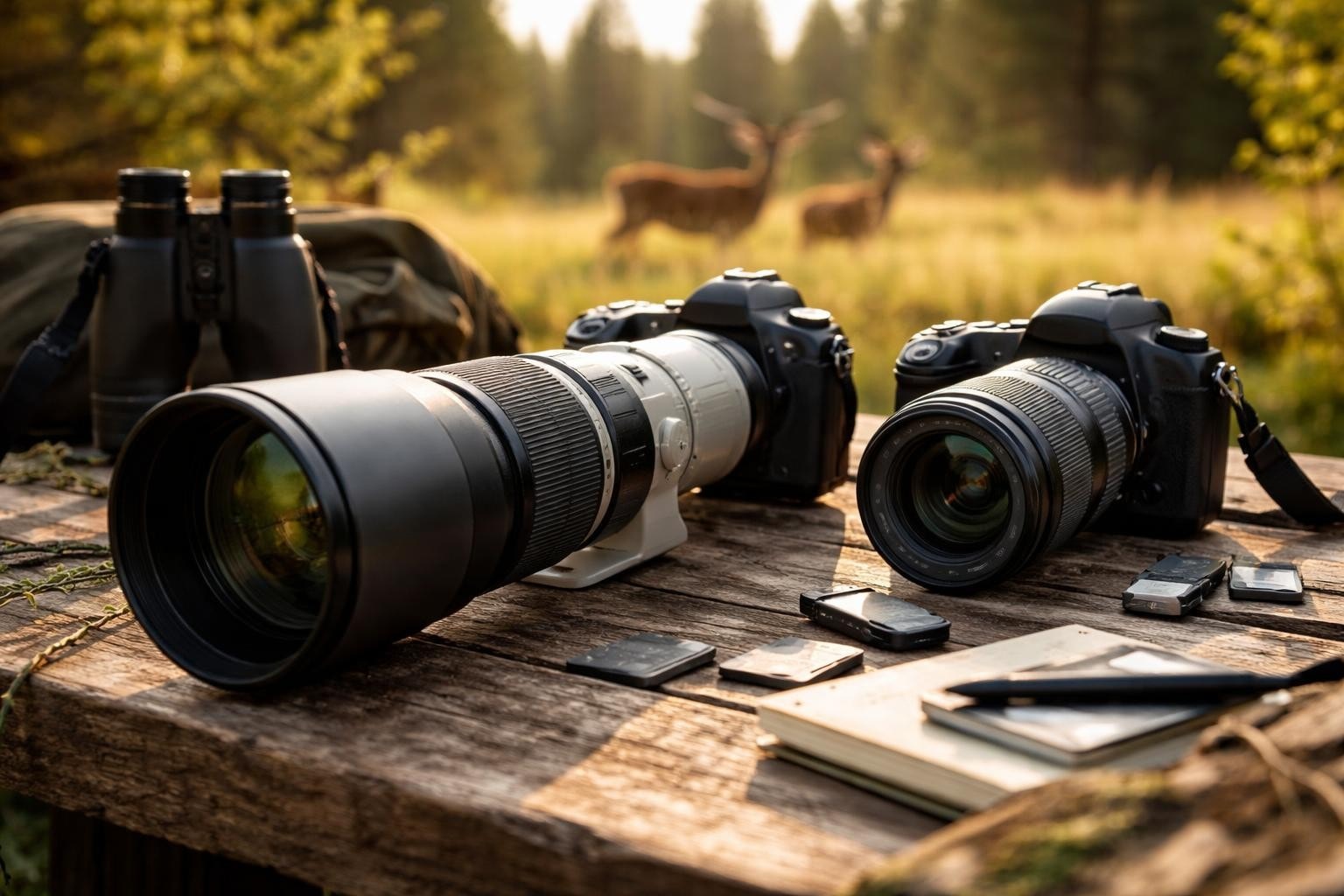
The best camera for wildlife photography is not always the most expensive body. For birds, safari, backyard animals, and long walks in poor light, the right choice depends on reach, autofocus, handling, and the lenses you can realistically afford.
If I were buying today, I would split the field into three groups. A bridge superzoom is the simplest way to get huge reach without buying lenses. An APS-C mirrorless body is usually the smartest serious wildlife path because the crop factor helps with distant subjects. A full-frame flagship is the best answer only when autofocus reliability, buffer depth, weather sealing, and high ISO quality matter more than budget.
Contents
- Quick answer: the best wildlife cameras right now
- How to choose a wildlife camera
- Best bridge cameras for wildlife photography
- Best APS-C cameras for wildlife photography
- Best full-frame and pro wildlife cameras
- Bridge camera or mirrorless for wildlife?
- Best wildlife camera by budget
- Lens choices matter as much as the camera body
- Camera settings for wildlife photography
- Final recommendation
- FAQ
Quick answer: the best wildlife cameras right now
For most readers, the best wildlife camera is the Canon EOS R7 if you want an interchangeable-lens system, the Nikon Coolpix P1100 if you want extreme reach without buying lenses, and the Nikon Z8 if you want a professional full-frame body without stepping up to flagship pricing.
- Best overall value wildlife body: Canon EOS R7
- Best extreme-zoom bridge camera: Nikon Coolpix P1100
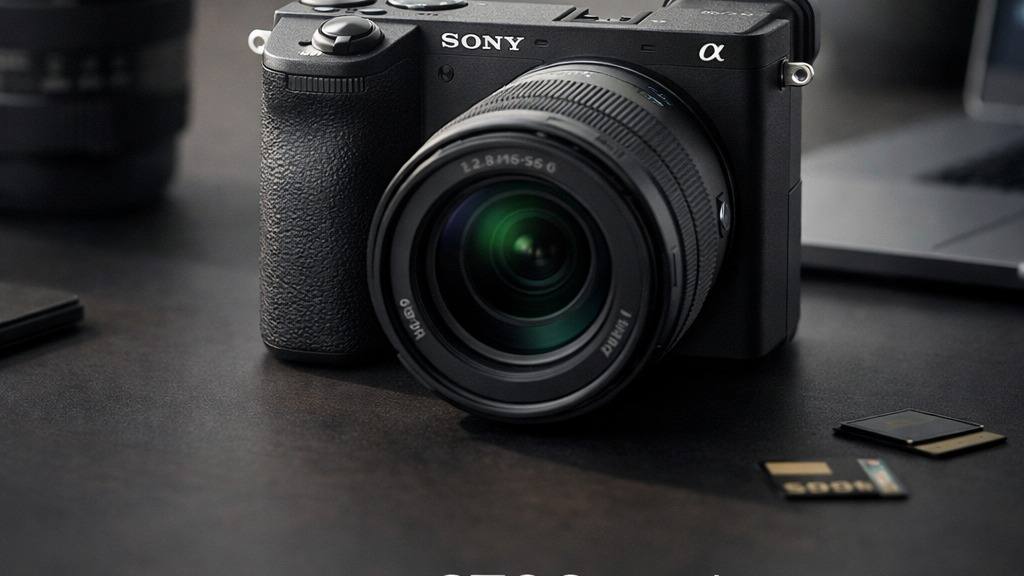
- Best serious APS-C hybrid: Sony a6700
- Best beginner wildlife system: Nikon Z50 II
- Best pro full-frame value: Nikon Z8
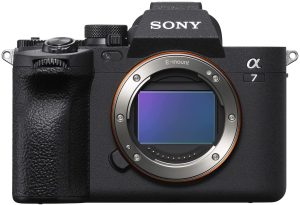
- Best all-round full-frame hybrid: Sony a7 IV
- Best used DSLR wildlife body: Nikon D500
How to choose a wildlife camera
Wildlife photography punishes weak compromises. A camera that is excellent for portraits can feel frustrating when a bird crosses the frame for half a second. Before comparing brands, check these four things.
Reach matters more than megapixels
Most wildlife is far away. A 45MP full-frame camera sounds better than a 24MP APS-C body, but if the APS-C kit lets you frame the subject tighter, it may produce the better file. For birds and small mammals, lens reach often matters more than the camera body.
Autofocus must track unpredictable movement
Look for reliable animal or bird detection, customizable tracking zones, and a viewfinder that does not make fast movement hard to follow. Marketing numbers are less useful than how quickly the camera reacquires a subject when it moves behind branches or into uneven light.
Buffer depth is more important than burst rate alone
A 30 fps headline is not useful if the buffer chokes after a short burst. Wildlife shooting often means waiting for behavior and then holding the shutter through wing position, expression, landing, takeoff, or interaction. The best bodies combine fast burst rates with deep buffers and fast card support.
Weather sealing and ergonomics matter in the field
Wildlife gear gets used in dust, damp grass, salt air, cold mornings, and long handheld sessions. A camera with a deeper grip, better buttons, and real sealing can be worth more than a slightly cleaner lab test at ISO 3200.
Best bridge cameras for wildlife photography
Bridge cameras make sense if you want wildlife reach without carrying a separate telephoto lens. The tradeoff is image quality in low light: small sensors cannot match APS-C or full frame cameras at dawn, dusk, or high ISO. In good light, though, the reach-to-price ratio is hard to ignore.
Nikon Coolpix P1100: best reach-first wildlife camera
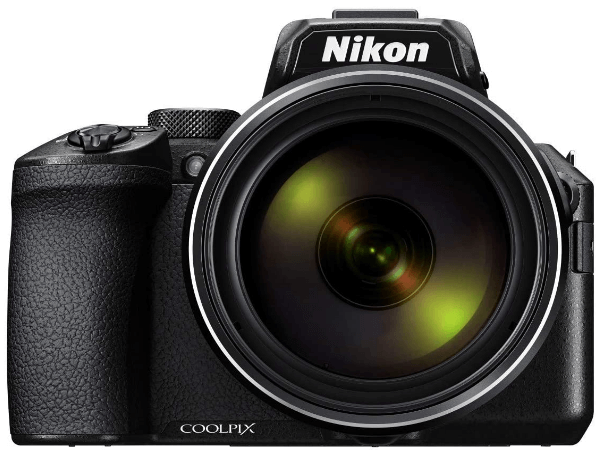
The Nikon Coolpix P1100 is the blunt instrument of wildlife cameras: a 125x zoom that reaches an extreme 3000mm equivalent. It is not the best choice for fast birds in poor light, but for distant perched birds, moon shots, zoo details, and casual safari use, it gives you reach that would be financially absurd in an interchangeable-lens system.

Nikon Coolpix P950: best practical long-zoom value
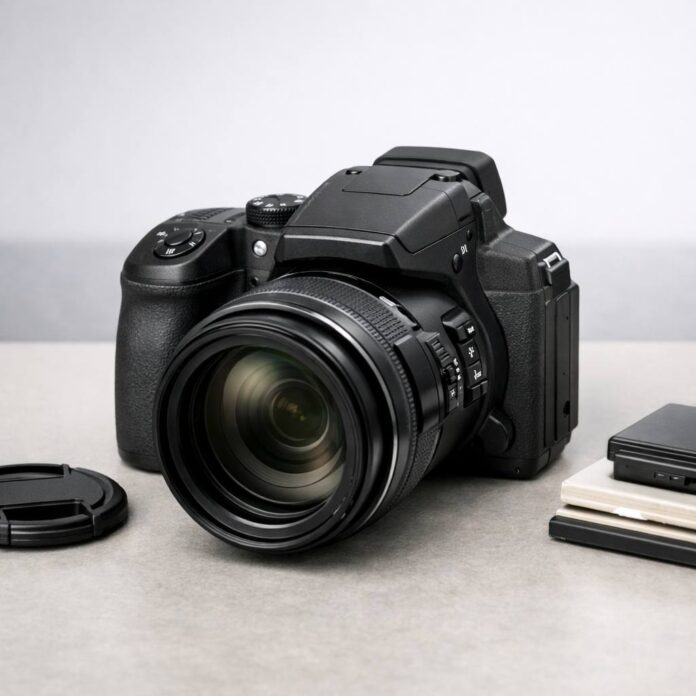
The Nikon Coolpix P950 is easier to justify for many buyers. Its 83x zoom still gives enormous reach, it supports RAW, and it is usually more manageable than the P1100 in price and handling. If you want a dedicated birding camera but do not need the absolute longest zoom, this is the more balanced bridge option.

Canon PowerShot SX70 HS: best Canon bridge wildlife camera
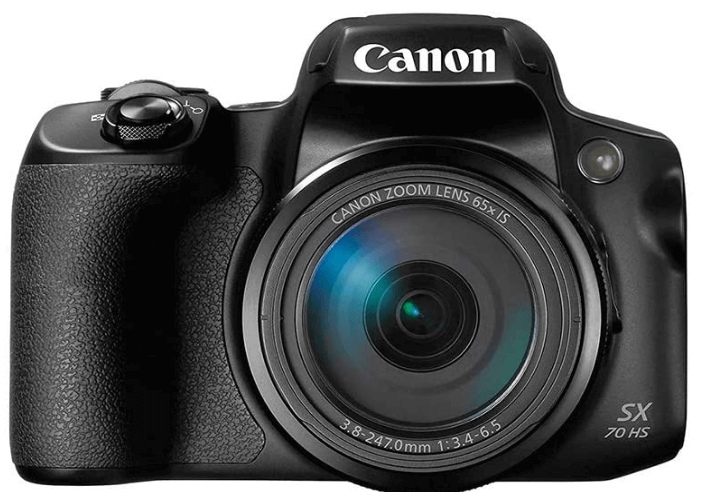
The Canon PowerShot SX70 HS is older, but it remains a sensible used or discounted option when the price is right. Its 65x zoom is shorter than Nikon’s P-series monsters, yet still far beyond a phone or standard compact camera. It is best for daylight wildlife, travel, and family trips where carrying lenses is not realistic.

Best APS-C cameras for wildlife photography
APS-C is the sweet spot for many wildlife photographers. You get better autofocus, bigger sensors, and better low-light files than bridge cameras, while the crop factor makes telephoto lenses feel longer. This is where most serious beginners and enthusiasts should start.
Canon EOS R7: best value wildlife camera for birding
The Canon EOS R7 is one of the most convincing wildlife bodies below the professional tier. The 32.5MP APS-C sensor gives useful cropping room, the burst rates are fast, and Canon’s subject-detection autofocus is well suited to birds and animals. The main limitation is lens strategy: Canon RF wildlife glass can get expensive, though adapted EF lenses and selected RF options make the system workable.

Sony a6700: best compact APS-C wildlife hybrid
The Sony a6700 is a strong pick if wildlife is only part of what you shoot. Its autofocus is excellent, the body is compact, and Sony E mount gives you access to a mature lens ecosystem. Pair it with a 70-350mm, 100-400mm, or third-party telephoto and it becomes a capable birding and travel-wildlife setup.

Nikon Z50 II: best beginner wildlife mirrorless path
The Nikon Z50 II is not a pro wildlife body, but it is a sensible first step into the Nikon Z system. It is light, approachable, and benefits from Nikon’s newer processing and autofocus behavior. For a beginner moving beyond bridge cameras, it makes most sense with the right telephoto lens plan.


Best full-frame and pro wildlife cameras
Full frame is worth paying for when you shoot serious action, poor light, paid work, or large prints. You gain better high-ISO quality, wider dynamic range, stronger viewfinders, more robust bodies, and deeper lens systems. The tradeoff is simple: the lenses get larger, heavier, and more expensive.
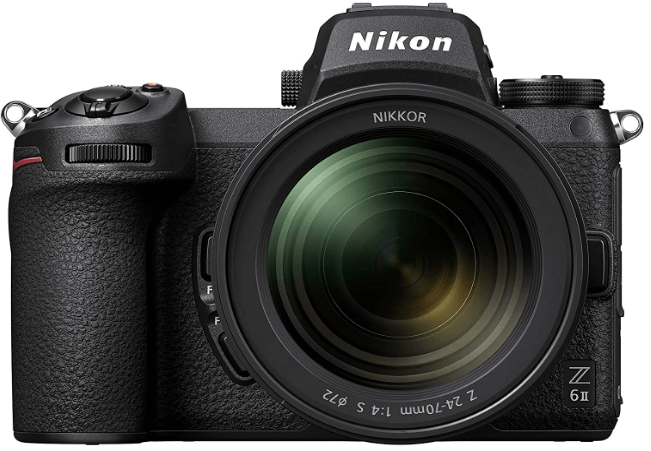
Nikon Z8: best professional wildlife value
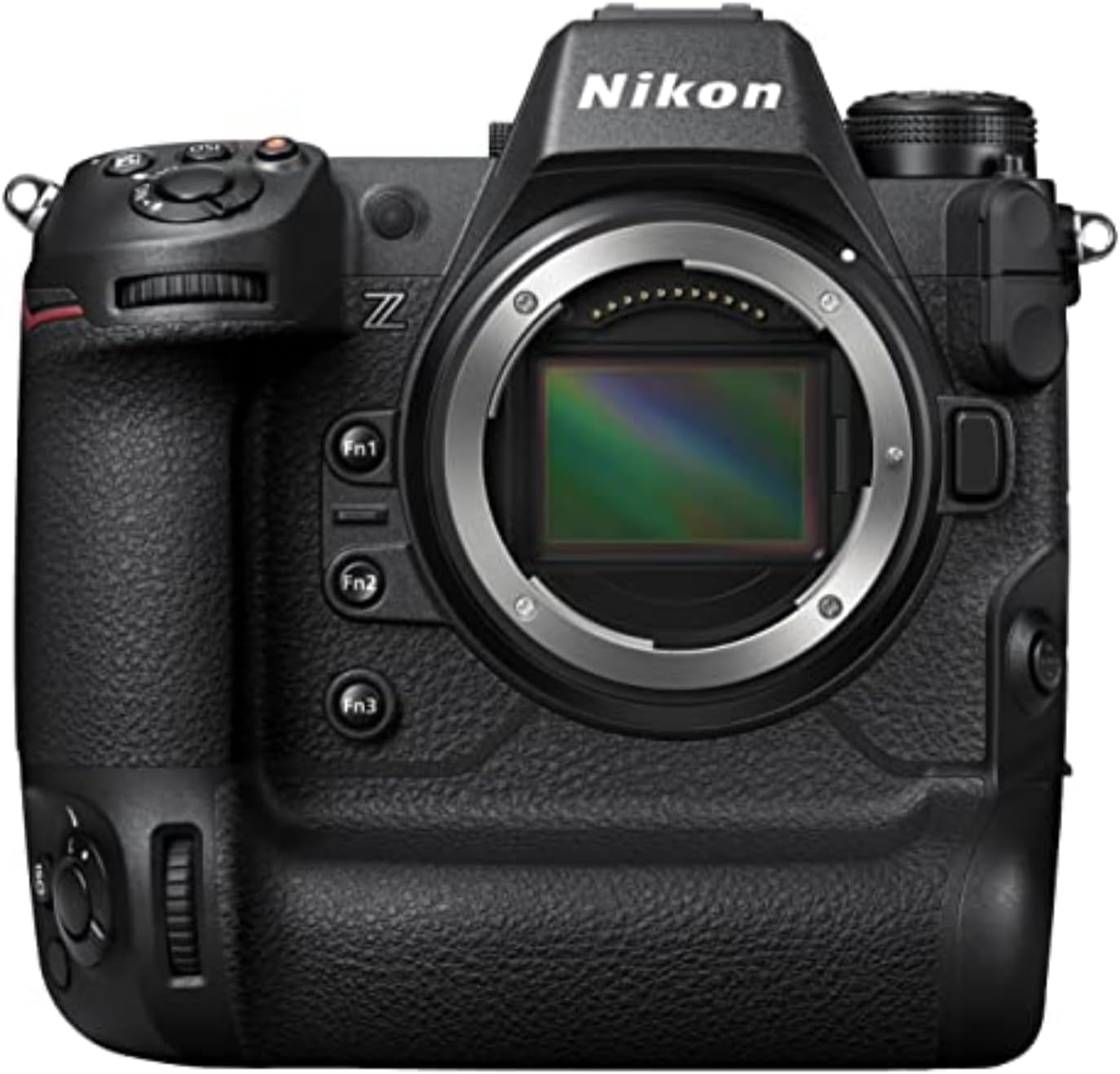
The Nikon Z8 is one of the most complete wildlife cameras available because it brings flagship-level speed and autofocus into a smaller body than the Z9. It is overkill for casual backyard shooting, but for birds in flight, fast mammals, and serious field work, it is a camera you can grow into for years.

Sony a7 IV: best full-frame hybrid for wildlife and everyday work
The Sony a7 IV is not a specialist wildlife body, but it is a strong all-rounder. The 33MP sensor gives useful cropping headroom, autofocus is dependable, and Sony’s lens ecosystem is excellent. Choose it if you want one camera for wildlife, portraits, travel, events, and video rather than a pure action body.

Flagship wildlife bodies: when money is not the main constraint
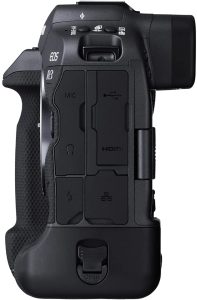
If you shoot demanding wildlife often, bodies like the Nikon Z9, Sony a1 II, Canon EOS R5 Mark II, and Canon EOS R3 change the hit rate. They do not make composition or fieldcraft automatic, but they help when the subject moves fast and the moment is gone in less than a second.



Bridge camera or mirrorless for wildlife?
Choose a bridge camera if you want reach above everything else and usually shoot in daylight. It is the cheaper, simpler way to photograph distant subjects. The Nikon P1100, P950, and Canon SX70 HS all make sense for this reason.
Choose mirrorless if you care about autofocus, low-light quality, faster response, and long-term growth. A Canon R7 or Sony a6700 with a good telephoto lens will usually beat a bridge camera for moving subjects, even if the bridge camera looks more impressive on paper because of its zoom range.
Best wildlife camera by budget
Under $1,000
Look at bridge cameras first, especially the Nikon P950 or Canon SX70 HS, or shop carefully for used APS-C bodies with an affordable telephoto. The risk under this budget is buying an interchangeable-lens camera and then having no money left for the lens that actually reaches wildlife.
$1,000 to $2,000
This is where APS-C mirrorless becomes attractive. The Canon R7, Sony a6700, and Nikon Z50 II all make sense depending on lens pricing and brand preference. Spend as much time comparing telephoto lenses as camera bodies.
$2,000 to $4,000
You can build a serious wildlife kit here if you choose carefully. A strong APS-C body with a better lens often beats a full-frame body with a weak lens. If you already own compatible glass, full-frame options such as the Sony a7 IV become more compelling.
Above $4,000
At this level, the body decision becomes more about autofocus reliability, ergonomics, buffer depth, and the exact lenses you want to own. The Nikon Z8 is the strongest value play, while flagship bodies make sense for heavy wildlife use.
Lens choices matter as much as the camera body
For wildlife, the lens often decides whether the camera is useful. A 70-200mm is excellent for large animals at closer distances, but short for birds. A 100-400mm is the practical all-round wildlife zoom. A 150-600mm or 200-600mm gives better birding reach. Long primes are wonderful, but only make sense once you know exactly what and how you shoot.
- General wildlife: 100-400mm or 100-500mm zoom
- Birding: 150-600mm, 200-600mm, 500mm, 600mm, or 800mm options
- Safari and larger animals: 70-200mm plus a longer telephoto
- Travel wildlife: compact APS-C body plus lightweight telephoto zoom
Camera settings for wildlife photography
Start with shutter speed and autofocus before worrying about advanced menu options. For perched wildlife, use the slowest shutter speed that keeps the subject sharp. For birds in flight, start around 1/2000 sec and adjust based on wing speed and light. Use Auto ISO when light changes quickly, and set a maximum ISO you are comfortable cleaning up in editing.
- Perched birds: AF-C/continuous AF, animal or bird detection, 1/500 to 1/1000 sec if the subject is still
- Birds in flight: AF-C/continuous AF, wide or tracking area, 1/2000 sec or faster
- Large mammals: tracking AF, 1/500 to 1/1000 sec depending on movement
- Low light: open aperture, Auto ISO, shoot bursts sparingly, and protect shutter speed first
Final recommendation
If you want the simplest wildlife camera, buy a Nikon P1100 or P950 and accept the small-sensor limitations. If you want to improve seriously, start with an APS-C mirrorless body such as the Canon R7, Sony a6700, or Nikon Z50 II and put real money into the telephoto lens. If wildlife is a major part of your photography and budget allows, the Nikon Z8 is the strongest pro-value body on this list.
FAQ
What is the best camera for wildlife photography?
For most photographers, the Canon EOS R7 is the best balance of price, speed, reach, and autofocus. If you want a no-lens extreme zoom camera, choose the Nikon Coolpix P1100. If you want a professional full-frame body, choose the Nikon Z8.
Is APS-C or full frame better for wildlife?
APS-C is often better value for wildlife because the crop factor helps with distant subjects and the kits are usually lighter. Full frame is better for low light, dynamic range, and professional systems, but it costs more once you include long lenses.
Are bridge cameras good for wildlife photography?
Bridge cameras are good for daylight wildlife and distant static subjects because they offer huge zoom ranges in one body. They are weaker for fast action and low light compared with APS-C or full-frame mirrorless cameras.
How many megapixels do I need for wildlife?
Twenty to thirty megapixels is enough for many wildlife photographers, but higher resolution helps when cropping small or distant subjects. Autofocus, lens reach, and shutter speed usually matter more than megapixels alone.
What lens do I need for wildlife photography?
A 100-400mm or 150-600mm zoom is the most practical starting point. Bird photographers often want 500mm, 600mm, or longer, while safari and larger wildlife can work well with a 70-200mm plus a longer telephoto.
Last update on 2026-06-23 / Affiliate links / Images from Amazon Product Advertising API