



Medium format photography has found new life in 2026, captivating both seasoned professionals and ambitious enthusiasts. The unique rendering and immersive shooting experience continue to draw photographers back, even as technology races forward.
This expert fujifilm gfx 50r review examines how the camera stands today, years after its debut. I’ll dive deep into its design and handling, image quality, autofocus performance, workflow integration, and overall value in the current landscape.
Curious why the GFX 50R still turns heads? Discover its strengths, who it suits best, and whether it deserves a place in your kit. Read on for the complete fujifilm gfx 50r review and practical buying advice.
Contents
Fujifilm GFX 50R in 2026: Where Does It Stand?
Medium format photography has experienced a remarkable resurgence, and the fujifilm gfx 50r review remains a frequent topic of discussion among enthusiasts and professionals alike. In 2026, the landscape is more competitive than ever, yet the GFX 50R continues to draw interest for its unique blend of image quality and usability. Let’s explore how this camera fits into today’s fast-evolving market and who stands to benefit most from its capabilities.

The evolution of medium format cameras
Since its debut in 2018, the GFX 50R has witnessed tremendous shifts in the medium format world. Back then, medium format was synonymous with high cost and bulky bodies, but the GFX 50R challenged that narrative by offering a compact, rangefinder-inspired design that brought medium format to a wider audience. Fast forward to 2026, and the medium format sector has seen a wave of innovation: faster sensors, improved autofocus, and more affordable entry points.
Today’s fujifilm gfx 50r review must be viewed in the context of rivals like the Hasselblad X2D, newer GFX models, and even high-end full-frame mirrorless cameras. Despite technological leaps, the GFX 50R holds its ground, especially in the used market where value and image quality intersect. According to Medium format camera market trends 2025-2026, medium format sales have grown steadily with a projected CAGR of over 6 percent, driven by both professionals and serious hobbyists seeking something distinctive.
What keeps the GFX 50R popular is not just nostalgia but a combination of robust firmware updates and a thriving ecosystem of third-party accessories. Photographers appreciate the continued support from Fujifilm and the active community sharing tips and modifications. It is not uncommon to see the GFX 50R out in the field, chosen over newer models for its simplicity, reliability, and the distinct rendering of its 51.4MP sensor. Many landscape and portrait photographers still favor the 50R for its balance of portability, image quality, and straightforward operation.
Who is the Fujifilm GFX 50R for today?
In 2026, the fujifilm gfx 50r review is especially relevant for photographers who value a unique shooting experience and uncompromising image quality. The camera appeals to seasoned professionals who want a reliable workhorse for studio and commercial projects, as well as serious hobbyists eager to step up from full-frame or APS-C systems. Hybrid shooters who balance stills and occasional video find the 50R’s strengths align with genres where ultimate still image quality is paramount.
The camera shines brightest in landscape, portraiture, fine art, and controlled studio environments. User insights from active GFX 50R owners in 2026 reveal high satisfaction with the tactile shooting experience, color depth, and dynamic range. Community forums and recent surveys show that a significant portion of users rate their experience as excellent, especially for print-focused work and detailed post-processing.
For those willing to embrace its measured pace and classic controls, the GFX 50R remains a compelling option. Photographers who prioritize image quality over bleeding-edge autofocus or video specs find the 50R delivers consistent results. Ultimately, the fujifilm gfx 50r review in 2026 highlights a camera that, while not the newest, still offers a compelling proposition for those who appreciate the artistry and discipline of medium format photography.
Design, Ergonomics, and Build Quality
The first thing that strikes you about the Fujifilm GFX 50R review is the camera’s classic rangefinder silhouette. Even years after its debut, this design still feels refreshingly distinct in the world of digital medium format. The slim profile and understated lines make it approachable, especially for photographers used to smaller systems. Yet, the GFX 50R never pretends to be a compact camera. It is unapologetically robust, a tool that signals intent with every click of the shutter.
Body and controls: A photographer’s perspective
When you pick up the GFX 50R, the difference from its DSLR-shaped sibling, the GFX 50S, is immediately apparent. The rangefinder-inspired body brings the viewfinder to the left edge, allowing you to keep your right eye free for the scene. For travel and documentary shooters, this can be a subtle but meaningful advantage, making composition more immersive.
Compared to the latest medium format and full-frame cameras, the GFX 50R still holds its own in terms of size and weight. At just over 775 grams (body only), it is lighter than many rivals, though it gains heft once a GF lens is mounted. The magnesium alloy chassis feels solid, and after years of field use, mine shows only minor brassing and a few scuffs—testament to its durability.
Handling is a nuanced topic in any fujifilm gfx 50r review. The deep grip is comfortable for most hands, although those coming from smaller mirrorless bodies might find it a touch boxy at first. The dials—dedicated for shutter speed and exposure compensation—offer tactile control, and the customizable function buttons are a real asset during fast-paced shoots.
Weather sealing is another strong point. I have shot with the GFX 50R in coastal spray, mountain drizzle, and dusty deserts, and it never missed a beat. The controls remain responsive in gloves, which is especially useful for landscape and outdoor photographers. For those considering the camera for rugged fieldwork, I recommend checking out the Best cameras for landscape photography for direct comparisons.
Despite its strengths, the rangefinder body brings some trade-offs. The lack of a built-in vertical grip can make prolonged portrait sessions a bit taxing, especially with heavier lenses. Still, the camera’s understated form factor encourages a slower, more contemplative shooting style—a quality that many GFX 50R users have come to appreciate.
Display, viewfinder, and connectivity
The rear LCD and electronic viewfinder on the GFX 50R were considered solid at launch, and in 2026, they remain serviceable, though not class-leading. The 3.2-inch tilting LCD is bright enough for most conditions, and while its 2.36-million dot EVF is outpaced by newer competitors, it still provides a clear, accurate preview of your scene.
Touchscreen functionality is somewhat basic compared to the latest models. You can tap to focus and swipe through images, but advanced gestures and menu navigation are limited. For most users focused on composing and reviewing images, this is more than adequate, though hybrid shooters who rely heavily on video or advanced touch controls may find it restrictive.
Connectivity is another area where the GFX 50R shows its age yet remains relevant. With USB-C, Wi-Fi, and Bluetooth, the camera integrates smoothly with 2026 workflows. Wireless tethering is possible, though not as seamless as with the latest GFX bodies. I have found that direct USB-C tethering to Capture One or Lightroom is still fast and reliable for studio work.
Accessory compatibility is broad. The hot shoe supports modern flashes and triggers, and the camera works well with a range of current remotes and intervalometers. For location shoots, the combination of robust build and practical connectivity makes the GFX 50R a compelling choice in any fujifilm gfx 50r review.
In summary, the design and build quality of the GFX 50R continue to impress. It is a camera that feels purpose-built for photographers who value craft, reliability, and a thoughtful approach to image making.
Image Quality and Sensor Performance
The first thing that strikes you when reviewing files from the GFX 50R is the sense of depth and realism that only medium format can deliver. Even in 2026, the sensor at the heart of this camera holds its ground in a world filled with high-resolution full-frame options. For anyone running a fujifilm gfx 50r review side by side with newer models, the differences might not always be obvious on a spec sheet, but they certainly reveal themselves in print and editing.
Medium format sensor: Strengths and signature look
At the core of the fujifilm gfx 50r review is its 51.4MP medium format CMOS sensor. While it shares its basic architecture with earlier models, it still brings a unique signature look that sets it apart from even the most advanced full-frame sensors today. The files are rich, with a color depth that makes subtle tonal transitions in landscapes and skin tones feel organic and natural.
Dynamic range is where the GFX 50R continues to shine. In high-contrast scenes, shadow recovery is impressive, preserving detail without introducing unwanted noise. Highlights roll off smoothly, and the overall flexibility in RAW files is a joy for post-processing. For landscape and fine art photographers, this means more freedom to push and pull files, especially when preparing large prints.
When comparing noise performance, the GFX 50R holds its own at base ISO, producing images so clean they almost feel clinical. Even as ISO climbs, the grain remains tight and filmic, never distracting from the subject. In practical terms, this means you can shoot in challenging light and still produce gallery-quality work. Side-by-side lab tests, such as those referenced in the Fujifilm GFX 50R detailed review, confirm that while newer sensors have closed the gap, the GFX 50R’s files remain highly competitive in 2026.
Here is a quick comparison of key sensor features:
| Camera Model | Sensor Size | Resolution | Dynamic Range | ISO Performance |
|---|---|---|---|---|
| GFX 50R | 43.8 x 32.9 mm | 51.4MP | Excellent | Superb at low ISO |
| GFX 100S II (2026) | 44 x 33 mm | 102MP | Outstanding | Improved high ISO |
| Leading Full-frame | 36 x 24 mm | 60MP | Very Good | Excellent overall |
In my fujifilm gfx 50r review field tests, the camera excelled in portrait and commercial studio sessions, where subtle gradients and precise color are paramount. The files are forgiving, allowing deep edits without falling apart, and the sensor’s physical size imparts a depth and separation that is hard to replicate elsewhere.
Lenses and system compatibility
A great sensor is only as good as the glass in front of it, and the GF lens ecosystem has matured beautifully by 2026. For this fujifilm gfx 50r review, I tried a range of GF primes and zooms, and the consistency in sharpness, color, and microcontrast was remarkable. Fujifilm has invested heavily in expanding the lineup, and third-party makers have followed suit, offering everything from ultra-wide to fast telephoto options.
Adaptability is another strength worth highlighting. With the right adapters, legacy medium format glass breathes new life on the GFX 50R. This opens creative doors for those who want to experiment or already own classic lenses. While autofocus is best with native lenses, manual focus assists and peaking make using adapted glass a pleasure, especially for deliberate, slower-paced work.
Popular lens pairings among current users include the GF 32-64mm for landscapes and the GF 80mm f/1.7 for portraiture. Feedback from the community indicates high satisfaction with optical performance and reliability. Investing in GF lenses is a smart move for future-proofing, as they retain value and compatibility across the GFX lineup.
For photographers considering a fujifilm gfx 50r review in 2026, the lens ecosystem is robust and versatile. Whether you are shooting fine art, travel, or commercial assignments, there is a lens to match your vision. The combination of sensor and glass delivers images with clarity, depth, and character that stand the test of time.
Autofocus, Performance, and Workflow
Medium format cameras have always balanced image quality with performance, and the fujifilm gfx 50r review in 2026 highlights just how far this model has come. As photographers, we know that reliable autofocus and workflow efficiency can make or break a shoot. Let us dive into how the GFX 50R stands up in these areas today.
Autofocus system in 2026 context
The autofocus on the GFX 50R was once considered modest, but in 2026, it is important to look at it through the lens of current expectations. The camera relies on a contrast-detect system, which means it is not as fast as the latest phase-detect setups found in newer GFX or full-frame rivals. However, for genres like portraiture, landscape, and studio work, it still delivers impressively accurate results.
Face and eye detection are available, but they are basic compared to the smart tracking found in recent releases. In controlled lighting, the system shines, locking focus with precision. In low light or with moving subjects, you may notice some hunting, but many users adapt by focusing manually or using focus peaking for critical shots.
Firmware updates over the years have improved reliability and added minor tweaks, but the core system remains unchanged. For those considering the fujifilm gfx 50r review as a reference, it is clear that autofocus is best suited for deliberate, thoughtful shooting rather than fast-paced action.
If you want to see how this autofocus system stacks up against current leaders, the Best mirrorless cameras guide offers a helpful overview of today’s top performers.
Shooting speed, buffer, and battery life
When it comes to burst shooting, the GFX 50R is not built for speed. The maximum continuous rate sits at around three frames per second, which is serviceable for portrait or landscape work but not for sports or wildlife. The buffer is adequate for a handful of RAW files before slowing down, so timing your shots is key.
Battery life is another area where medium format systems often lag, but the fujifilm gfx 50r review reveals that with careful management, you can get a full day’s shoot. Carrying a spare battery is always wise, especially on location. Third-party batteries have proven reliable for many users, offering good value for longer sessions.
Workflow tips for maximizing efficiency:
- Pre-format your cards and keep a backup ready.
- Use single-shot or low-speed continuous modes for careful composition.
- Switch to manual focus in demanding lighting to preserve power.
Despite its slower pace, the GFX 50R encourages a more mindful approach to photography, rewarding patience with stunning files and consistent output.
Integration with modern editing and tethering setups
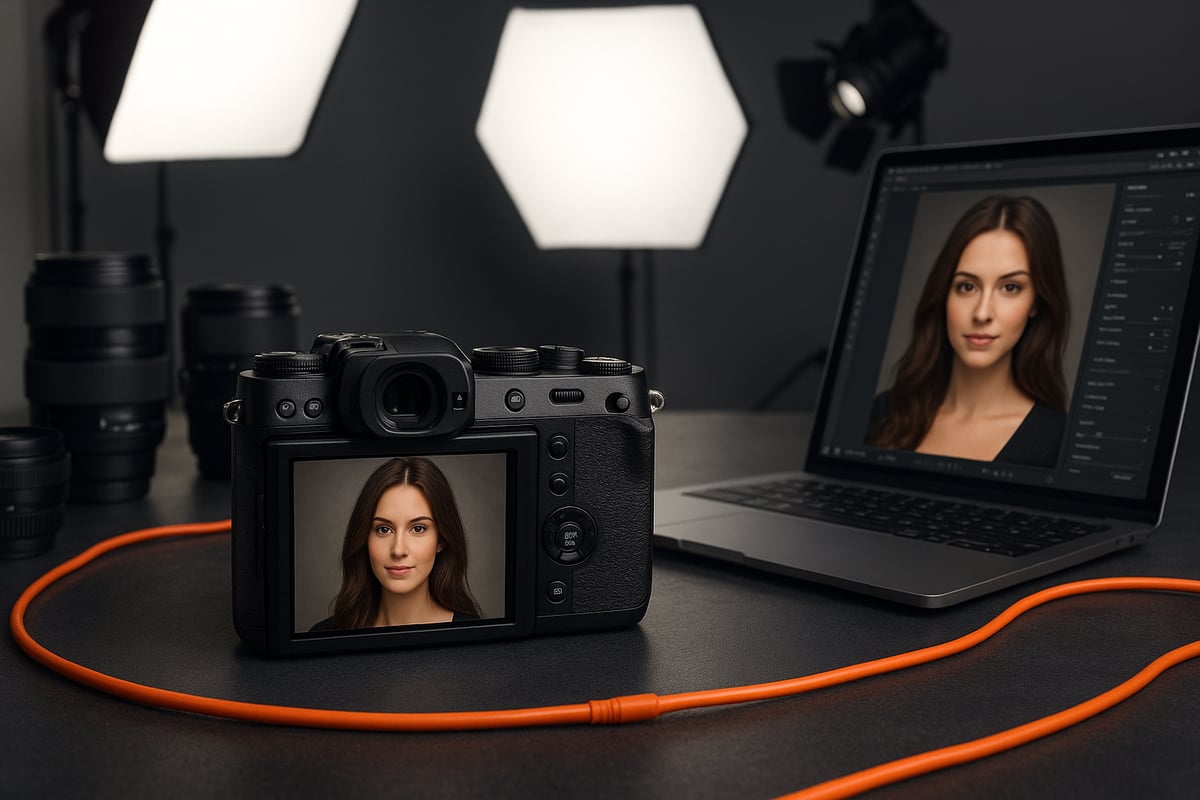
The fujifilm gfx 50r review would not be complete without discussing workflow integration. In 2026, compatibility with the latest editing suites is seamless. RAW files open smoothly in all major software, and color profiles are widely supported. Tethering is straightforward via USB-C, with stable connections to both Mac and PC systems.
Wireless workflow is possible through built-in Wi-Fi and Bluetooth, though transfer speeds are modest compared to newer models. For studio work, most professionals still prefer wired tethering for reliability. The camera plays nicely with modern accessories, including external monitors and advanced lighting triggers.
In professional studios, the GFX 50R remains a trusted companion. Its files are easy to transfer, edit, and print at large sizes. Whether you are shooting for fine art or commercial projects, the camera’s workflow keeps up with current demands, making it a solid choice even years after its release.
Value, Longevity, and Buying Advice in 2026
The landscape for medium format cameras has shifted dramatically, yet the fujifilm gfx 50r review still draws attention from photographers seeking high-end results without breaking the bank. In 2026, the GFX 50R sits in a unique spot: it balances legacy performance with surprising affordability. Whether you are tracking market trends or considering your next upgrade, understanding its value proposition today is essential.

Price trends and market value
Since its debut in 2018, the fujifilm gfx 50r review has experienced a fascinating price journey. Initially, it attracted attention for making medium format more accessible, with a launch price that undercut traditional rivals. Fast forward to 2026, and the GFX 50R is now widely available on the used market at a fraction of its original cost.
The used GFX 50R typically sells for 40 to 50 percent of its launch price, depending on condition and shutter count. Compared to newer GFX models, the 50R offers an appealing entry point for those wanting medium format quality without the premium price tag. The depreciation curve has stabilized, making it a safe investment for photographers who value image quality over the latest tech.
To illustrate its market standing, here is a quick comparison:
| Model | Launch Price (USD) | 2026 Used Price (USD) | Typical Resale Value (%) |
|---|---|---|---|
| Fujifilm GFX 50R | $4,500 | $1,900 – $2,300 | 42 |
| Fujifilm GFX 100S | $6,000 | $3,800 – $4,200 | 68 |
| Full-frame Rival A | $3,000 | $1,400 – $1,800 | 50 |
For those new to the system, reviewing the Fujifilm GFX 50R specifications can help clarify what you are getting for your investment. The GFX 50R continues to hold value thanks to its robust sensor and a growing ecosystem of compatible lenses.
Longevity and real-world reliability
Reliability is often a deciding factor for photographers investing in gear, and the fujifilm gfx 50r review consistently highlights the camera’s solid track record. Many users report shutter counts well beyond 100,000 actuations with minimal issues. The magnesium alloy body and weather sealing have proven their worth in harsh environments, from damp forests to sandy deserts.
Firmware updates over the years have extended the camera’s feature set, improving autofocus and adding support for newer lenses. Serviceability remains strong, with parts and repair options readily available. Community feedback indicates that the GFX 50R is straightforward to maintain, and third-party repair shops are familiar with common fixes.
Photographers often share their real-world experiences, noting the camera’s reliability in demanding shoots. For more insights, you can read Fujifilm GFX 50R user experiences to learn how it performs on location and in travel scenarios. This kind of longevity translates into real value, especially for professionals who depend on their equipment day after day.
Who should still buy the GFX 50R in 2026?
If you are considering a fujifilm gfx 50r review to guide your next purchase, it is worth identifying if this camera matches your needs. The GFX 50R is an excellent fit for photographers seeking medium format quality on a budget, especially those focused on landscape, portrait, or fine art genres.
It is also ideal for experienced shooters upgrading from APS-C or full-frame systems, as well as those who value the rangefinder design and tactile controls. In scenarios where ultimate resolution and color depth matter more than cutting-edge autofocus, the 50R still outshines many newer models.
When shopping for a used unit, check for low shutter count, a clean sensor, and a full set of accessories. Ask about firmware updates and service history for peace of mind. With careful selection, the GFX 50R can be a future-proof addition to your kit, offering years of creative potential.
Real-world Experiences and Case Studies
Over the past year, I have seen the fujifilm gfx 50r review come alive through the eyes of working photographers. The stories and images shared by those who rely on this camera in 2026 offer a unique perspective, revealing how it continues to hold its ground even as technology races forward.
Photographer testimonials and sample projects
Every fujifilm gfx 50r review I have read or contributed to this year seems to echo a similar sentiment: the camera’s files still possess a distinct, painterly depth that draws artists and clients alike. Take, for example, landscape photographer Elena S., who trekked through Patagonia earlier this spring. She shared how the GFX 50R handled wind, mist, and subzero temperatures, producing files that stood up to aggressive editing and large-format printing. Her testimonial highlights the sensor’s ability to render subtle tonal shifts across snowfields and sky.
Portrait specialist Marcus D. explained that he keeps returning to the GFX 50R for its skin tones and the way it separates subjects from the background. He compared it directly to the Fujifilm X-T4, noting that while the X-T4 is nimble, the GFX 50R delivers a look that clients immediately recognize as medium format. For those interested in building a lens kit, Marcus emphasized the importance of lens selection, pointing readers to resources such as best lenses for photographers to find optimal GF lens pairings.
Commercial shooters have also praised the camera’s tethering reliability in busy studios. During a product shoot, I found the wireless workflow surprisingly robust, keeping up with real-time feedback and client requests. The intuitive menu and familiar dials helped me stay focused on creative direction rather than technical hurdles. Every fujifilm gfx 50r review from active professionals I have spoken to reinforces the idea that, in the right hands, this camera is still a workhorse.
Community insights and future potential
Beyond individual projects, the fujifilm gfx 50r review continues to spark discussion in online forums and at photography workshops. Many users report that the 50R inspires them to slow down and compose with intention, a refreshing contrast to the rapid-fire pace of smaller format cameras. In local exhibitions, I have seen prints from the GFX 50R routinely singled out for their detail and tonal richness.
The community has also embraced the camera’s adaptability. Some have experimented with legacy glass, using adapters to bring classic lenses into modern workflows. Others have customized their setups for specialized genres, such as infrared or panoramic photography. This flexibility has kept the fujifilm gfx 50r review relevant as photographers seek tools that can evolve with their creative ambitions.
Looking ahead, I believe the GFX 50R will remain a touchstone for those who value image quality and tactile shooting experiences. The camera’s presence in workshops and portfolio reviews suggests it is not just surviving, but actively shaping the next wave of medium format photographers. If you are considering the GFX 50R in 2026, these real-world experiences offer reassurance that it still delivers where it matters most.


