



The lens you choose and how you use it can transform an ordinary scene into a breathtaking image. In today’s fast-evolving world of photography, mastering your technique with the best sony camera lens is more important than ever for capturing truly stunning shots. This article delivers eight essential tips that every photographer, whether just starting out or already experienced, can use to elevate their craft in 2026. By understanding and applying these strategies, you will unlock new creative possibilities and consistently achieve powerful, memorable images. Ready to see your photos in a whole new light? Let’s dive in.
Contents
- Understanding lens fundamentals for modern photography
- 8 essential best camera lens tips for stunning shots
- 1. Tip: Master aperture control for creative depth
- 2. Tip: Use focal length to shape perspective
- 3. Tip: Optimize focus techniques for sharper results
- 4. Tip: Leverage lens stabilization for handheld shooting
- 5. Tip: Maintain and clean lenses for consistent clarity
- 6. Tip: Use filters to enhance and protect your lens
- 7. Tip: Experiment with advanced lens techniques
- 8. Tip: Invest wisely based on your photography goals
- Maximizing lens performance with the latest camera features
- Building your ideal lens kit for 2026 and beyond
Understanding lens fundamentals for modern photography
Lenses are the heart of any camera system, transforming the way light meets the sensor and directly shaping your photographic results. Whether you are just beginning or have years of experience, understanding the fundamentals behind the best sony camera lens can unlock an entirely new level of creativity and image quality.
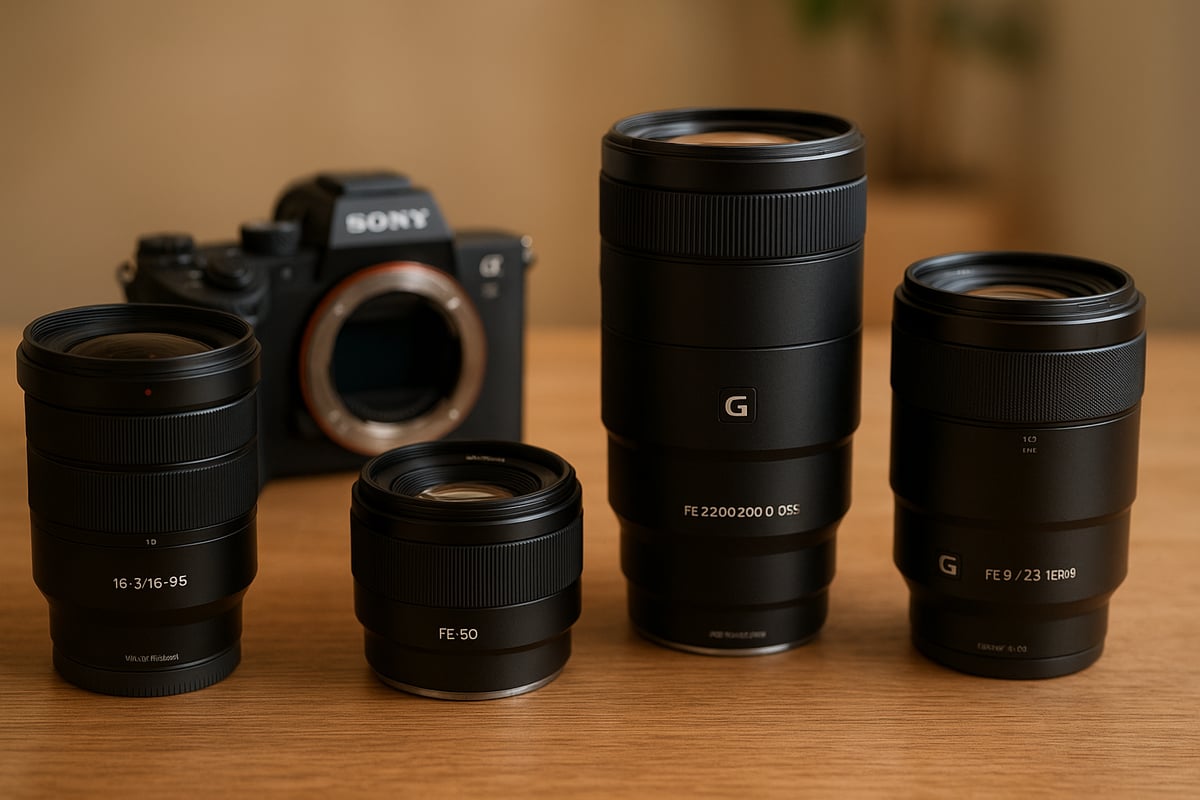
Choosing the best Sony camera lens depends heavily on what you actually shoot, not just on specs alone. A portrait photographer will prioritize wide apertures and subject separation, while landscape shooters care more about edge sharpness and distortion control. Wildlife and sports demand fast autofocus and long focal lengths, whereas everyday travel photography benefits from versatility and compact size.
The comparison below highlights some of the most practical Sony-compatible lenses based on real-world use cases, balancing optical performance, autofocus reliability, size, and value rather than relying on specifications alone.
| Lens Type | Typical Focal Lengths | Best For | Key Advantages |
|---|---|---|---|
| Prime | 24mm, 50mm, 85mm | Portraits, low light | Sharpness, wide aperture |
| Zoom | 24-70mm, 70-200mm | Versatility, events | Multiple focal lengths |
| Wide-angle | 14mm, 16mm, 24mm | Landscapes, architecture | Expansive views |
| Telephoto | 70mm, 200mm, 400mm | Wildlife, sports | Subject isolation |
Prime lenses offer superior sharpness and let in more light, making them an excellent choice for portraits or street photography. Zoom lenses add flexibility, which is invaluable for travel or events where you cannot move freely. Wide-angle glass captures sweeping vistas, while telephoto lenses bring distant subjects close and compress perspective for dramatic effect.
Focal length is more than a number printed on the lens barrel. It sets the stage for your composition, determining how much of the scene fits into the frame and how subjects relate to each other. A 24mm wide-angle lens exaggerates depth and makes spaces feel larger, whereas a 200mm telephoto compresses distance, making background elements appear closer to the subject. The best sony camera lens for your needs depends on the story you want your image to tell.
Aperture, expressed as f-stops, controls both exposure and depth of field. A wider aperture (like f/1.8) blurs backgrounds beautifully, perfect for portraits, while a narrower aperture (f/8 or f/11) keeps everything sharp in landscapes. Mastering aperture and focal length lets you sculpt light and focus, giving your images a professional polish.
Recent years have seen remarkable advances in lens engineering. Modern coatings reduce flare and ghosting, so your shots remain crisp even in tricky light. Optical stabilization helps you shoot handheld at slower shutter speeds, and rapid autofocus motors ensure you never miss a fleeting moment. Sony’s latest G Master and Zeiss-branded lenses, for example, push the boundaries of sharpness and clarity, making them strong contenders for the best sony camera lens in any kit.
Consider this: Upgrading from a standard kit lens to a high-quality prime can boost sharpness by up to 30 percent, according to industry tests. In low light, advanced lenses allow you to shoot at lower ISOs, preserving detail and color. The choice of lens directly affects your ability to capture stunning portraits, dramatic landscapes, or fast-paced action.
To get the most out of your gear, match lens characteristics to your shooting style. Portrait photographers may gravitate toward an 85mm f/1.4 for its creamy bokeh, while landscape enthusiasts might opt for a 16-35mm wide-angle to capture grand vistas. If you want to dive deeper into lens basics, the Guide to camera lenses is an excellent resource for understanding the ins and outs of lens selection.
Before investing in new gear, spend time learning how different lenses influence your results. This knowledge will help you make smarter choices and ensure that every addition to your kit brings you closer to your creative vision. Mastering the essentials of the best sony camera lens is the first step toward consistently stunning shots, no matter your subject or style.

8 essential best camera lens tips for stunning shots
Unlocking the full potential of your gear starts with mastering the essentials. Whether you are new to photography or a seasoned creator, applying the right techniques with the best sony camera lens can elevate your work. Below are eight actionable tips designed to help you capture stunning shots in 2026 and beyond.
1. Tip: Master aperture control for creative depth
Aperture is your main tool for controlling depth of field and artistic separation between subject and background. A wide aperture (small f-number) on a best sony camera lens creates beautiful background blur, also known as bokeh. This effect is perfect for portraits, drawing the viewer’s eye to your subject.
For landscape photography, stop down to a narrower aperture (higher f-number) to keep more of the scene in sharp focus. However, be cautious: going too narrow can introduce diffraction, which reduces overall sharpness.
Balancing sharpness with artistic intent is key. Try shooting the same scene at different apertures and compare the results. Notice how the background transitions from soft to sharp and how the character of the image changes.
Common mistakes include using too wide an aperture in bright light, which can result in overexposure, or too narrow an aperture in low light, leading to blurry images from slow shutter speeds. Always check your exposure settings and adjust ISO or shutter speed as needed.
Practicing aperture control with your best sony camera lens helps you understand how it shapes your visual storytelling. A simple exercise: shoot a series of portraits and landscapes at f/1.8, f/4, and f/11 to see the impact firsthand.
2. Tip: Use focal length to shape perspective
Focal length is more than just a number on your lens, it shapes how viewers experience your photos. A wide-angle lens expands the scene, making rooms look larger and landscapes more dramatic. Standard lenses offer a natural field of view, ideal for everyday scenes.
Telephoto lenses compress space, making distant objects appear closer together. This is great for capturing wildlife or creating flattering portraits with reduced facial distortion. In fact, research on focal length and facial perception shows how different lenses affect the mood and feel of a portrait.
When using your best sony camera lens, experiment with varying focal lengths. Take environmental portraits with a 24mm lens, then switch to an 85mm for tight headshots. Notice how background elements shift and how your subject stands out differently.
Understanding lens distortion is crucial. Wide lenses can exaggerate features, while telephotos flatten them. Assign yourself tasks: shoot the same subject at 24mm, 50mm, and 135mm, and compare the images. This hands-on approach reveals the creative potential of focal length.
3. Tip: Optimize focus techniques for sharper results
Sharp focus is fundamental for professional-looking images. Modern best sony camera lens models offer advanced autofocus systems, but knowing when to use manual focus can make all the difference.
Autofocus is reliable for most situations, but in low contrast or low light, it may struggle. Manual focus, especially with focus peaking or magnification tools, allows for precise adjustments. When shooting macro or portraits with shallow depth of field, switch to manual for critical sharpness.
For moving subjects, use continuous autofocus and track your subject as it moves. Practice focusing on fast-moving objects, such as pets or athletes, to build your skills.
Common focusing pitfalls include relying solely on the center focus point or not double-checking focus before shooting. Always review your images at 100 percent to ensure sharpness.
Exercises to improve focusing accuracy: Practice manual focusing on small objects at different distances. Use your best sony camera lens to photograph a ruler at an angle, checking which parts are in focus.
4. Tip: Leverage lens stabilization for handheld shooting
Lens stabilization technology has revolutionized handheld photography. Optical SteadyShot and in-body stabilization systems found in many best sony camera lens models help reduce blur from camera shake, especially at slower shutter speeds.
When shooting in low light or with telephoto lenses, stabilization allows you to capture sharp images without a tripod. Combine stabilization with proper stance and controlled breathing for even better results.
To minimize blur, hold your camera close to your body, tuck in your elbows, and exhale gently as you press the shutter. Practice shooting at progressively slower shutter speeds to test your stabilization limits.
Statistics show that stabilization can increase keeper rates by up to 30% in challenging conditions. Real-world scenarios where stabilization shines include indoor events, street photography at dusk, and wildlife shots with long lenses.
Test your best sony camera lens stabilization by shooting the same scene with and without the feature enabled. Review the images to see the difference in sharpness.
5. Tip: Maintain and clean lenses for consistent clarity
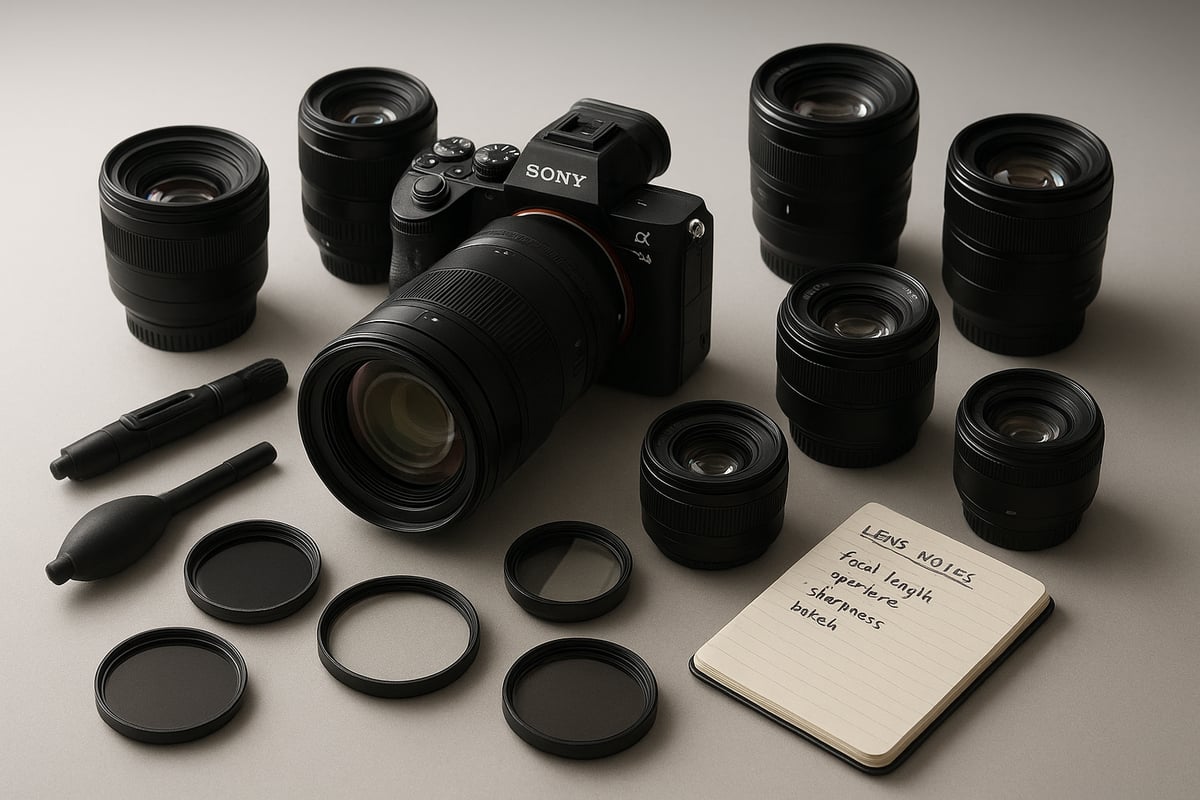
Regular maintenance is the foundation for clear, high-quality images. Dust, fingerprints, and scratches can degrade your results, no matter how advanced your best sony camera lens is.
Start by using a blower to remove loose particles. Then, gently wipe the lens with a microfiber cloth and lens cleaning solution. Avoid using your shirt or tissues, as they can scratch the glass.
Protective filters and lens hoods help guard against accidental bumps and environmental hazards. When not in use, store your lenses in a dry, padded case to prevent fungus and internal damage.
Common mistakes include over-cleaning or using harsh chemicals. Clean your best sony camera lens only when necessary, typically once a month or after shooting in harsh conditions.
A simple maintenance schedule: inspect weekly, clean monthly, and check for fungus or haze every few months. Proper care ensures your lenses deliver consistent performance for years.
6. Tip: Use filters to enhance and protect your lens
Filters are essential tools in every photographer’s kit. UV filters offer basic protection, while polarizing filters reduce glare and enhance colors. Neutral density (ND) filters allow you to shoot at slower shutter speeds for creative effects, even in bright conditions.
Knowing when and why to use each filter type can make a big difference. For landscapes, a polarizer helps saturate skies and cut through reflections. ND filters are ideal for capturing silky waterfalls or motion in cityscapes.
Filters also provide a physical barrier, protecting your best sony camera lens from dust, moisture, and scratches. In rugged environments, a high-quality filter can save your lens from costly repairs.
Creative possibilities abound: try stacking an ND and a polarizer to combine effects, or experiment with specialty filters for infrared or starburst effects.
When choosing filters, look for multi-coated glass and solid construction. Test different combinations to see how they affect your images with the best sony camera lens.
7. Tip: Experiment with advanced lens techniques
Pushing creative boundaries means exploring beyond the basics. Macro photography reveals hidden worlds, while tilt-shift lenses offer perspective control and unique visual effects. Creative bokeh techniques can transform a simple portrait into a work of art.
Specialty lenses open up new possibilities. For example, a macro lens lets you capture intricate details of flowers or insects. Tilt-shift lenses are excellent for architecture, correcting lines and adding a miniature effect.
Aim to achieve these effects in-camera rather than relying solely on software. Set up small projects: photograph water droplets on glass, or create dreamy bokeh backgrounds with fairy lights.
The learning curve can be steep, but the rewards are worth it. Resources like online tutorials and workshops can guide your journey. Embrace experimentation with your best sony camera lens to discover what inspires you.
8. Tip: Invest wisely based on your photography goals
Choosing the right gear starts with knowing your needs. Prioritize lens purchases by considering your favorite subjects, budget, and long-term goals. The best sony camera lens for you balances versatility, speed, and image quality.
Before buying, research reviews and test lenses if possible. Renting or borrowing is a smart way to try before you buy. This approach helps you avoid costly mistakes and ensures your investment pays off.
Future-proof your collection by selecting lenses compatible with upcoming camera bodies. Think about gaps in your kit—do you need a fast prime, a versatile zoom, or a specialty lens?
For those seeking tailored recommendations, the Best lens for Sony a6500 cameras guide offers in-depth insights into top-performing options.
Ask yourself: Will this lens help me grow as a photographer? Does it fit my style and workflow? Make thoughtful decisions to build a collection that supports your creative vision with the best sony camera lens.
Maximizing lens performance with the latest camera features
Photographers today know that even the best sony camera lens reaches its full potential only when paired with a camera body that brings out its strengths. As Sony continues to push boundaries in autofocus, image stabilization, and real-time tracking, understanding how these features interact with your lenses is critical for getting professional results.
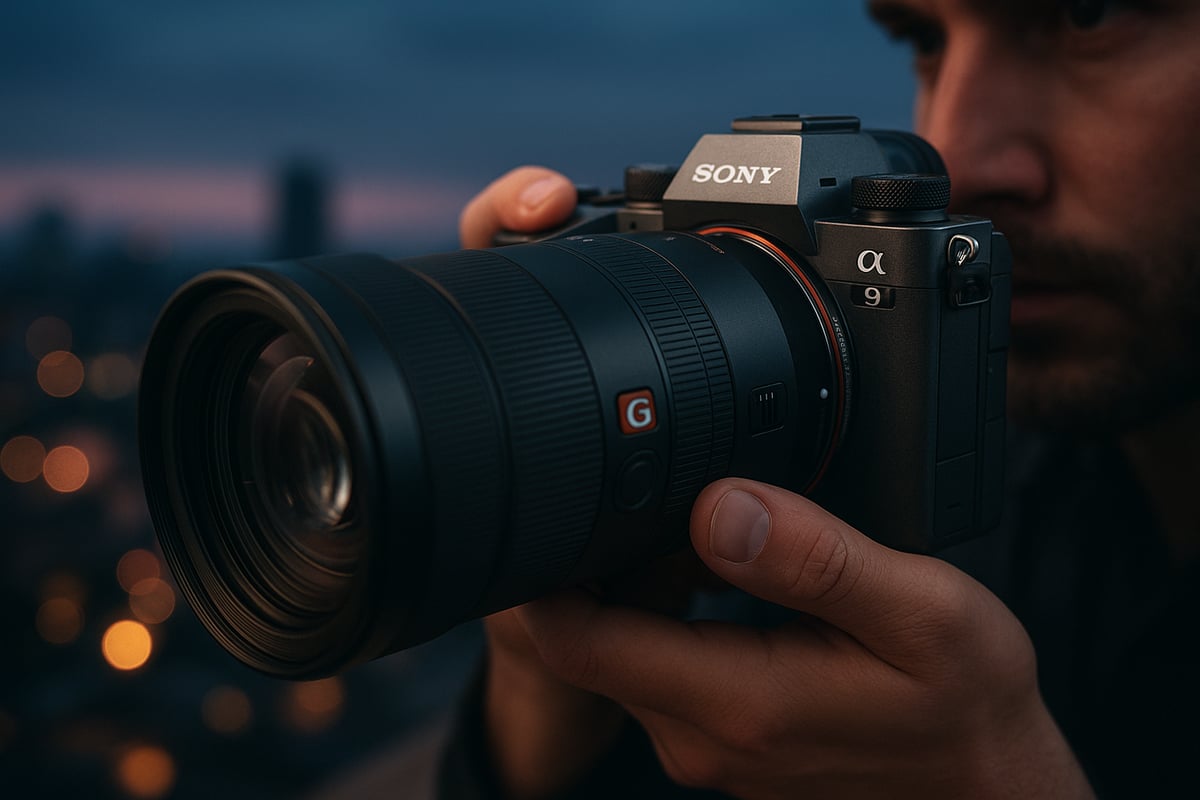
Modern Sony camera bodies are designed to unlock advanced capabilities in your lenses. For example, features like fast hybrid autofocus and 5-axis in-body stabilization work hand-in-hand with lens technology to deliver sharper images, even in challenging light. Real-time tracking uses AI to keep moving subjects in focus, letting you concentrate on composition while your camera and lens handle the technical side.
Here is a quick comparison of recent Sony camera models and their key features for lens performance:
| Model | Autofocus System | In-body Stabilization | Real-time Tracking | Lens Compatibility |
|---|---|---|---|---|
| Sony Alpha 7 IV | Fast Hybrid AF | Yes (5-axis) | Yes | E-mount, full support |
| Sony a6500 | 425-point AF | Yes (5-axis) | Limited | E-mount, APS-C |
| Sony Alpha 1 | Advanced AI AF | Yes (5-axis) | Yes | E-mount, full support |
When selecting the best sony camera lens for your style, always check that your camera body can fully utilize its features. For instance, the Sony Alpha 7 IV review and features highlight how this body’s real-time tracking and deep buffer enable lenses to perform at their absolute best, especially for action and wildlife photography.
Firmware updates are another essential element. Both cameras and lenses receive updates that improve compatibility and unlock new functions. Regularly checking for updates ensures that your best sony camera lens stays at peak performance. Most updates can be installed via your computer in just a few steps, and Sony’s support site offers clear instructions for each model.
To get the most from your gear:
- Always pair lenses and bodies with matching autofocus technologies.
- Customize focus and stabilization settings for each shoot.
- Test new features after updates before heading into critical assignments.
- Store updated firmware files as backups in case you need to restore settings.
Looking ahead to 2026, we can expect even deeper integration between Sony lenses and camera bodies. Advances in smart connectivity, AI-driven subject recognition, and real-time lens corrections will continue to boost image quality. As you build your kit, remember that the best sony camera lens is only as powerful as the camera and firmware supporting it. Staying informed and proactive ensures you capture every shot with precision and clarity.
Building your ideal lens kit for 2026 and beyond
Crafting your ideal lens kit is one of the most rewarding steps in your photography journey. With technology advancing and creative demands rising, your lens choices can make or break your ability to capture what you envision. Whether you shoot professionally or for passion, building the best sony camera lens collection tailored to your needs is essential in 2026.
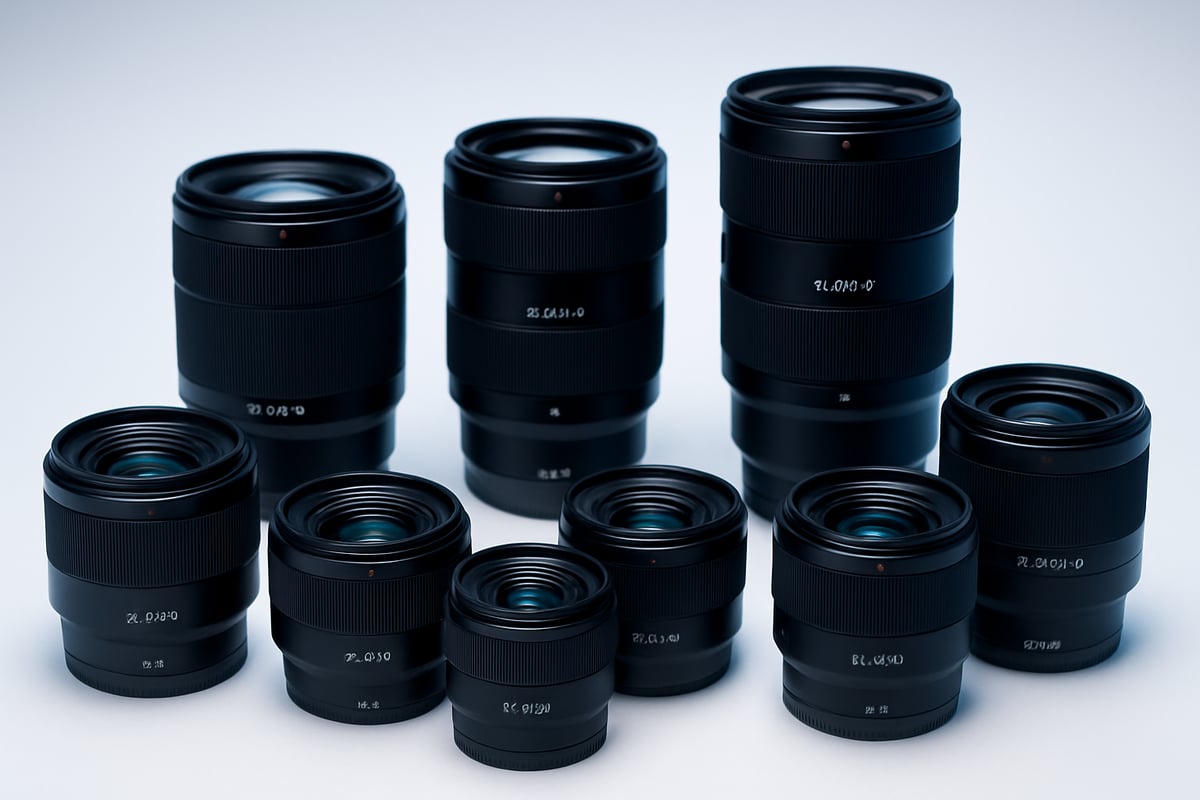
Minimalist vs. specialized: Finding your balance
Some photographers thrive with a minimalist approach, carrying only one or two versatile lenses. Others prefer a specialized kit, selecting the best sony camera lens for each genre, such as portraits, landscapes, or events.
A minimalist kit is light, agile, and perfect for travel or street photography. You might opt for a fast 35mm prime or a flexible 24-70mm zoom. Specialized kits, on the other hand, allow you to tackle unique challenges with precision. Consider a macro lens for nature, an ultra-wide for architecture, or a fast telephoto for sports.
Prime and zoom: The heart of your kit
Balancing prime and zoom lenses is key to versatility. Primes are renowned for sharpness and wide apertures, making them ideal for low light and creative depth. Zooms offer convenience, covering multiple focal lengths in a single lens.
A typical kit might include a reliable 50mm prime for portraits, a 16-35mm for landscapes, and a 70-200mm for distant subjects. Pairing these ensures you are ready for nearly any situation. For a closer look at how different lenses perform on Sony bodies, check out this Sony a6500 camera review, which explores compatibility and real-world results.
Future-proofing and gradual upgrades
Investing in the best sony camera lens is about more than immediate needs. As technology evolves, look for lenses with robust build quality, weather sealing, and compatibility with planned camera upgrades.
Consider lens mounts and autofocus advances. Renting or borrowing before buying can help you make informed choices. Gradually upgrading your kit, perhaps one lens per year, allows you to adapt as your style matures.
Sample kits and budgeting tips
Here are some example kits tailored to different genres:
| Genre | Minimalist Kit | Specialized Kit |
|---|---|---|
| Travel | 24-105mm zoom | 16-35mm + 85mm primes |
| Portrait | 50mm prime | 85mm prime + 70-200mm zoom |
| Landscape | 16-35mm wide zoom | 12-24mm + 24-70mm zooms |
| Event | 24-70mm zoom | 24-70mm + 70-200mm zooms |
Budgeting is critical. Prioritize lenses that serve multiple purposes and offer strong resale value. Watch for seasonal discounts and consider buying used from reputable dealers.
Never stop learning and experimenting
Photography is a lifelong pursuit. Your best sony camera lens kit in 2026 may look different from what you imagined today. Stay curious, experiment with new lenses, and update your collection as your interests evolve. The possibilities are endless when you keep learning and pushing creative boundaries.


