




Finding the best deal on camera equipment requires more than scrolling through discount websites and comparing price tags. After years of purchasing camera bodies, lenses, and accessories, I’ve learned that true value comes from understanding what you actually need, when manufacturers release new models, and how to recognize which features justify premium pricing. The photography market in 2026 offers more options than ever, which makes smart buying decisions both easier and more complicated at the same time.
Contents
- Understanding camera pricing cycles
- Features that actually impact price and value
- Where to find legitimate camera deals in 2026
- Camera bundles versus body-only purchases
- Budget categories and sweet spots
- Seasonal timing and patience
- Evaluating deal quality beyond the price tag
- Refurbished and open-box opportunities
- Accessories included in complete value
- Red flags in camera deals
- Comparing current market values
- International pricing variations
- Making the final decision
- Alternative approaches to camera ownership
Understanding camera pricing cycles
Camera manufacturers follow predictable patterns when releasing new models and adjusting prices on existing inventory. Most major brands announce flagship models in early spring or late fall, which creates ripple effects throughout their entire product lines. When a new camera body hits the market, the previous generation typically drops 20 to 30 percent within the first three months.
I’ve noticed that retailers often discount cameras most aggressively during three specific periods each year. January clearance sales happen when stores need to move inventory after the holiday rush. Summer sales occur during the slower shopping season when casual buyers aren’t thinking about cameras. Black Friday and the surrounding weeks remain the most competitive pricing window, though the best deal on camera equipment doesn’t always appear during this obvious timeframe.
Why new releases matter for deal hunters
When Nikon, Canon, Sony, or any major manufacturer announces a new body, they’re not just adding another product to their lineup. They’re signaling that older models will soon receive permanent price reductions. The Nikon Z5 II recently experienced a rare price cut, demonstrating how quickly pricing can shift even on relatively new releases.
Smart photographers track announcement schedules and purchase previous-generation models right after new versions launch. This strategy works particularly well with brands that iterate conservatively, making incremental improvements rather than revolutionary changes.
Features that actually impact price and value
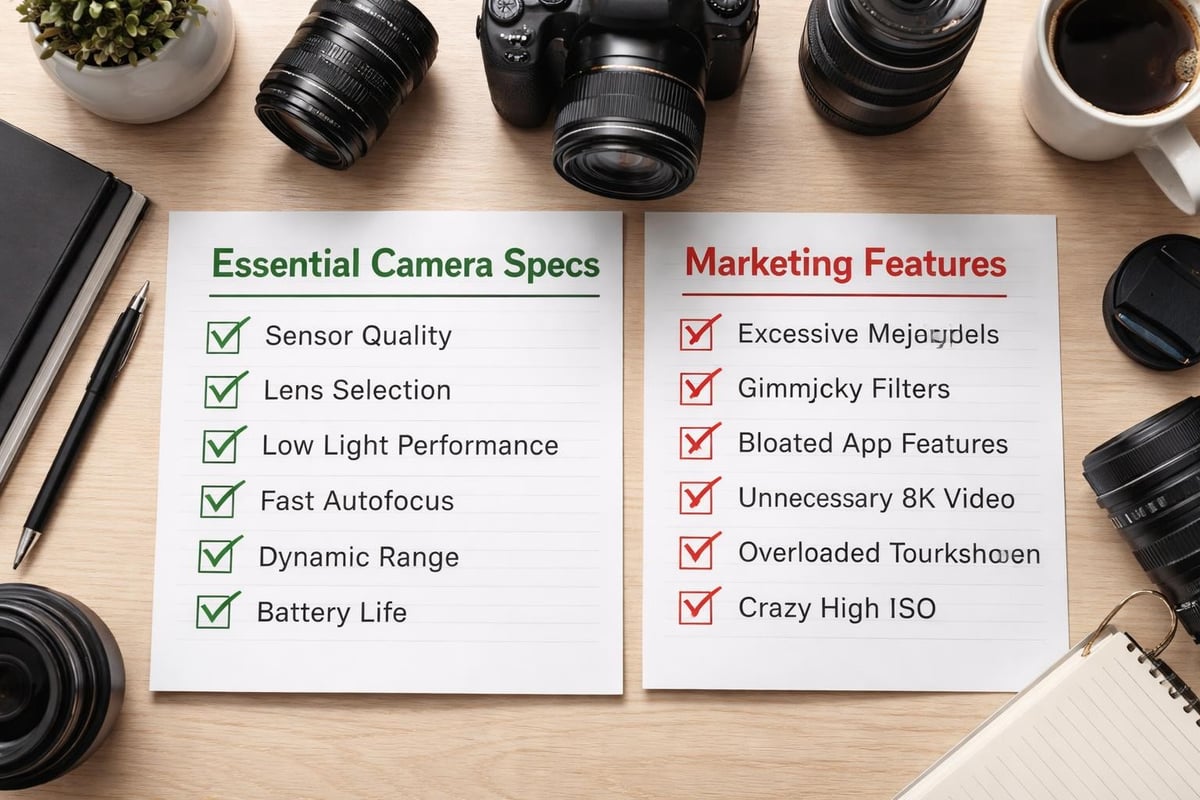
Camera specifications can overwhelm new buyers, but only certain features justify significant price differences. Megapixel count gets discussed endlessly, yet most photographers rarely need more than 24 megapixels unless they’re printing billboard-sized images or cropping extensively. Sensor size matters considerably more than resolution for image quality and low-light performance.
Key specifications worth paying for:
- Full-frame sensor versus APS-C or Micro Four Thirds
- In-body image stabilization
- Weather sealing and build quality
- Autofocus system speed and accuracy
- Video capabilities if you shoot motion content
- Buffer depth for continuous shooting
Specifications that receive too much emphasis:
- Megapixels beyond 24MP for most uses
- Maximum ISO settings above 12,800
- Frames per second beyond 10fps unless shooting sports
- Touch screen interfaces
- Wi-Fi connectivity
The electronics inside a camera depreciate faster than the physical build quality. A well-constructed body from five years ago often outlasts a cheaply made current model. When evaluating deals, I prioritize cameras with weather sealing and metal chassis over the latest processor upgrades.


Where to find legitimate camera deals in 2026
Authorized retailers offer the safest path to discounted camera equipment, though not always the cheapest. Gray market imports can save 15 to 25 percent, but they lack manufacturer warranties and support in your region. I’ve purchased gray market lenses without issue, yet I wouldn’t risk it on a camera body worth thousands of dollars.
| Retailer type | Price advantage | Warranty coverage | Return policy | Best for |
|---|---|---|---|---|
| Authorized dealers | 0-10% off MSRP | Full manufacturer | 30-90 days | New flagship models |
| Online marketplaces | 10-20% off MSRP | Varies by seller | 14-30 days | Discontinued models |
| Gray market | 15-25% off MSRP | None or third-party | Limited | Accessories and lenses |
| Used equipment | 30-60% off MSRP | None | Varies widely | Budget-conscious buyers |
Major online retailers run competitive sales throughout the year. The Amazon Spring Sale has featured significant discounts on various camera equipment, including action cameras and accessories. These sales events often match or beat Black Friday pricing without the shopping frenzy.
The used market advantage
Pre-owned cameras represent the single best opportunity for value-focused photographers. Professional photographers upgrade frequently, selling barely-used equipment at substantial discounts. A three-year-old professional body often outperforms a brand-new consumer model while costing less.
When buying used, shutter count matters more than cosmetic condition. Camera shutters have finite lifespans rated for specific actuation counts. A body rated for 200,000 actuations with only 15,000 on the counter has plenty of life remaining. Surface scratches and paint wear don’t affect image quality.
Check these elements before purchasing used cameras:
- Shutter count through EXIF data or camera menus
- Sensor condition by shooting a white wall at f/16
- All buttons and dials for proper function
- Battery door and card slot mechanisms
- Evidence of moisture damage or fungus
- Lens mount for wear or damage
Camera bundles versus body-only purchases
Retailers frequently package cameras with kit lenses, memory cards, camera bags, and other accessories at seemingly attractive prices. These bundles rarely offer the best deal on camera equipment once you examine the included items closely. Kit lenses typically represent the manufacturer’s cheapest optics, and the accessories often come from unknown brands.
I recommend purchasing bodies separately and investing in quality lenses. A $600 body paired with an $800 lens produces better images than a $1,200 body with a $200 lens. Photography happens at the intersection of sensor and glass, and cheap lenses limit what excellent sensors can achieve.
When bundles make sense:
- First-time camera buyers needing everything
- Traveling photographers wanting basic accessories
- Gift purchases for beginners
- Bundles featuring premium lenses
When to avoid bundles:
- You already own compatible lenses
- The kit lens duplicates focal lengths you have
- Bundle accessories are low quality
- Body-only deals offer better value
Some manufacturers create compelling bundles with their premium zoom lenses. The Panasonic S5 II lens bundle experienced a substantial price drop, offering genuine value for photographers entering a new system.
Budget categories and sweet spots
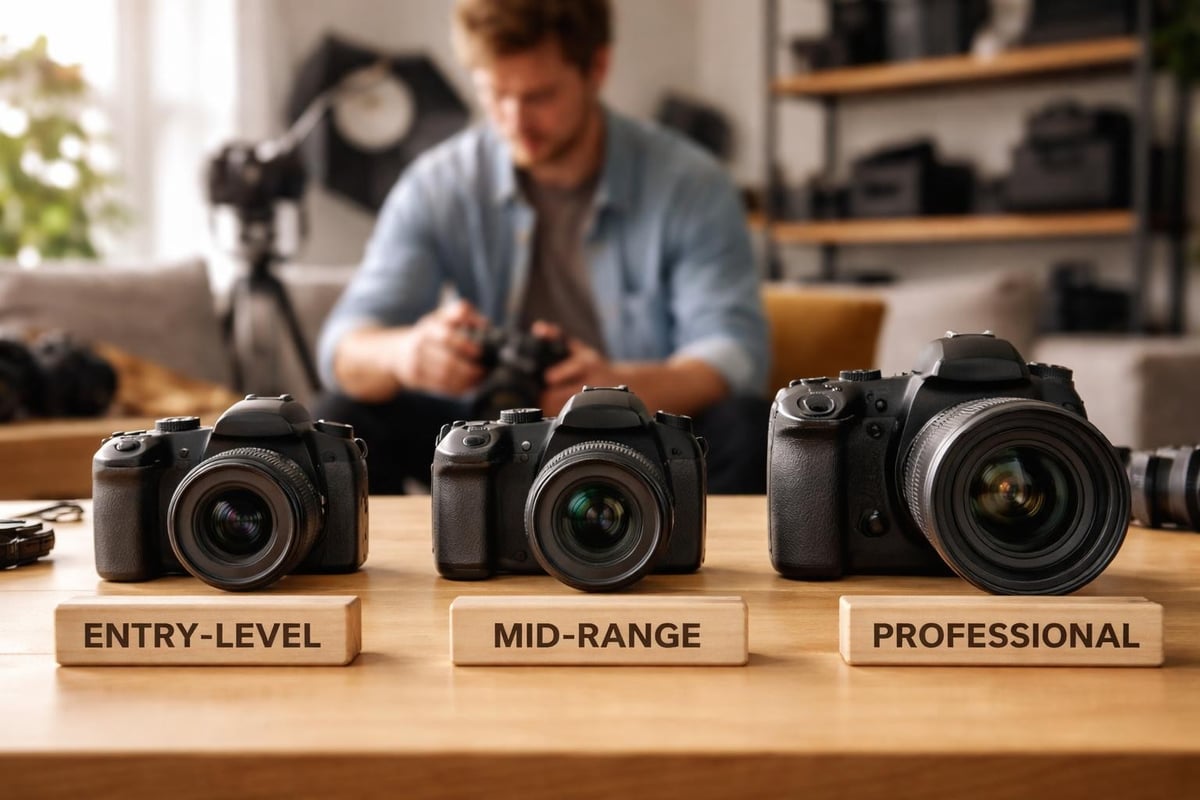
Camera pricing follows distinct tiers, and the best value often appears at category boundaries rather than at extremes. Entry-level cameras under $500 make significant compromises in build quality and features. Professional bodies above $3,000 offer diminishing returns unless you’re earning income from photography.
The $700 to $1,500 range contains exceptional value for enthusiast photographers. This price bracket includes weather-sealed bodies, advanced autofocus systems, and sensor performance that satisfies all but the most demanding professional needs. If you’re exploring options in this range, our guide to the best cameras under $700 provides detailed comparisons.
Entry level ($300-$700)
Cameras in this range suit beginners learning photography fundamentals. They capture excellent images in good lighting but struggle with fast action and low-light situations. Build quality tends toward plastic construction without weather sealing.
Expect decent electronic viewfinders, basic autofocus systems, and limited customization options. These cameras serve casual photographers perfectly well and often get dismissed too quickly by gear-focused buyers.
Enthusiast level ($700-$1,500)
This sweet spot delivers professional image quality without professional price tags. Bodies feature metal construction, weather sealing, advanced autofocus, and sensors that perform excellently in challenging conditions.
Manufacturers position these cameras for serious hobbyists and emerging professionals. They include enough customization options and manual controls to satisfy demanding users while remaining approachable for intermediate photographers.
Professional level ($1,500-$4,000+)
Top-tier cameras prioritize durability, speed, and specialized features. Professional sports photographers need 20fps burst rates and bulletproof autofocus tracking. Wedding photographers require dual card slots and exceptional low-light performance. Landscape photographers want maximum resolution and dynamic range.
Unless your photography demands specific professional features, cameras in lower tiers will serve you equally well. The best deal on camera equipment often means recognizing when cheaper options meet your actual requirements.
Seasonal timing and patience
Photography retailers follow retail calendar patterns, but camera-specific sales don’t always align with general shopping holidays. Major photography trade shows in February and September often precede new product announcements, which trigger price adjustments on existing inventory.
Best months for camera deals:
- January (post-holiday clearance)
- July (mid-year inventory reduction)
- November (Black Friday through Cyber Monday)
- February (pre-trade show discounts)
Worst months for camera deals:
- April (tax refund spending season)
- June (wedding and graduation season)
- October (holiday shopping begins)
- December (peak gift-buying period)
Patience pays substantial dividends when shopping for cameras. Setting price alerts through browser extensions or deal tracking websites helps you monitor specific models without constant manual checking. Prices fluctuate weekly on popular models, sometimes varying by hundreds of dollars.
Evaluating deal quality beyond the price tag
A low price doesn’t automatically constitute the best deal on camera equipment. Total cost of ownership includes accessories, batteries, memory cards, and lenses specific to each camera system. Switching brands requires replacing all your glass, which can cost significantly more than the camera body itself.
Consider these factors when evaluating deals:
- Lens ecosystem size and pricing
- Battery availability and cost
- Memory card format and speed requirements
- Future upgrade paths within the system
- Resale value retention
- Repair costs and service availability
Sony E-mount cameras offer the broadest lens selection from both first-party and third-party manufacturers. Canon RF mount provides excellent native lenses but fewer budget third-party options. Micro Four Thirds delivers the smallest, lightest system with mature lens lineups.
| Camera system | Lens variety | Third-party support | Long-term value | Best for |
|---|---|---|---|---|
| Sony E-mount | Excellent | Extensive | High | Versatile shooters |
| Canon RF | Very good | Growing | High | Canon loyalists |
| Nikon Z | Good | Moderate | High | Nikon loyalists |
| Micro Four Thirds | Excellent | Extensive | Moderate | Travel photographers |
| Fujifilm X | Good | Good | Moderate | Film simulation fans |
Refurbished and open-box opportunities
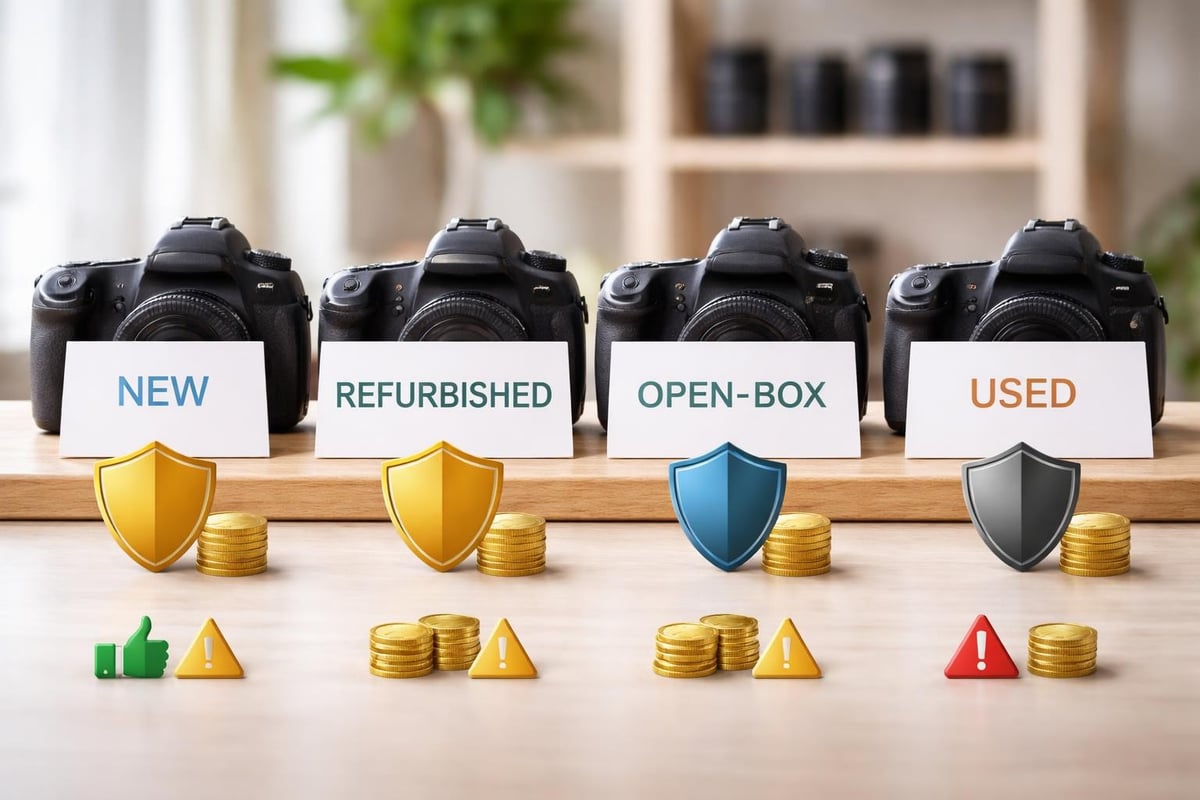
Manufacturer-refurbished cameras provide warranty coverage at 15 to 30 percent discounts compared to new models. These units come from customer returns, display models, or cameras with minor cosmetic issues that were corrected. Canon, Nikon, and Sony all operate refurbishment programs with one-year warranties matching new equipment.
Open-box cameras from major retailers offer similar savings with shorter warranty periods. Best Buy, Adorama, and B&H Photo regularly list open-box inventory at reduced prices. These cameras were purchased, unboxed, and returned within the return window, often without ever leaving the house.
I’ve purchased multiple refurbished lenses and one refurbished camera body over the years. Each item arrived in perfect condition, indistinguishable from new equipment except for plain packaging instead of retail boxes. The savings funded additional accessories that enhanced my photography more than pristine packaging would have.
Warranty considerations
New cameras include manufacturer warranties ranging from one to three years depending on the brand and model. Gray market imports lack these warranties entirely. Used cameras from private sellers offer no warranty coverage unless you purchase additional protection plans.
Extended warranties from third-party companies rarely prove worthwhile for camera equipment. Cameras either fail quickly due to manufacturing defects covered by standard warranties, or they last for years without issues. The middle ground where extended warranties pay off happens infrequently enough to make them poor investments.
Accessories included in complete value
When calculating the true best deal on camera equipment, factor in what you’ll need to actually use the camera. Every camera requires memory cards, and high-resolution models demand fast, expensive cards for optimal performance. Extra batteries cost $50 to $100 each, and you’ll want at least one spare for full-day shoots.
Essential accessories budget:
- Memory cards: $50-$150
- Extra battery: $50-$100
- Camera strap: $20-$60
- Lens filter: $30-$100
- Cleaning kit: $20-$40
- Total: $170-$450
Some retailers include these items in promotional bundles, effectively discounting the total package even if individual prices remain unchanged. Calculate the combined cost rather than focusing solely on the camera body price.
Screen protectors prevent scratches on LCD panels. Lens filters protect front elements from damage and enable creative effects. Camera bags protect your investment during transport and storage. These seemingly minor accessories add up quickly but extend equipment lifespan substantially.
Red flags in camera deals
Deals that appear too good to be true usually are. Scammers target photographers with counterfeit equipment, gray market goods misrepresented as authorized products, and outright fraud. Several warning signs indicate problematic sellers or suspicious offers.
Avoid deals featuring these characteristics:
- Prices 40% or more below market rates
- Sellers requesting payment through wire transfer or cryptocurrency
- Listings with stock photos instead of actual item photos
- Vague or incomplete product descriptions
- Sellers with no verifiable business history
- Refusal to provide serial numbers before purchase
- Pressure tactics claiming limited-time offers
Legitimate retailers honor advertised prices without artificial urgency. They provide clear return policies, warranty information, and customer service contacts. When something feels wrong about a deal, trust that instinct and shop elsewhere.
Comparing current market values
Regular price monitoring helps photographers recognize genuine deals versus standard pricing disguised as sales. Camera prices follow general downward trends as models age, punctuated by promotional periods offering steeper discounts. Understanding typical pricing for specific models prevents overpaying during supposed sales events.
Price tracking websites maintain historical data showing how camera costs fluctuate over time. These tools reveal whether current prices represent genuine discounts or inflated starting points marked down to regular levels. The Canon EOS R6 Mark II experienced notable discounts during recent sales, demonstrating how even relatively new models receive meaningful price reductions.
I maintain a spreadsheet tracking prices on cameras and lenses I’m considering. This simple practice has saved me from purchasing items during artificial sales while helping me recognize legitimate opportunities when they appear.
International pricing variations
Camera equipment costs vary significantly across regions due to taxes, import duties, and regional pricing strategies. A camera selling for $1,500 in the United States might cost £1,400 in the UK or €1,600 in Europe. These differences sometimes justify purchasing from international retailers, though warranty complications and import duties complicate cross-border shopping.
Currency fluctuations create temporary opportunities when your local currency strengthens against the seller’s currency. A 10% currency movement translates directly to pricing advantages for international purchases. However, warranty service typically requires shipping equipment back to the purchase region, which adds cost and inconvenience to repairs.
Import duties and value-added taxes eliminate most international pricing advantages for individual buyers. Professional importers working in volume can justify these complications, but casual photographers rarely save enough to warrant the hassle.
Making the final decision
After researching prices, comparing features, and waiting for the right opportunity, actually committing to a purchase requires confidence in your analysis. The best deal on camera equipment balances price with features, warranty coverage, and ecosystem considerations rather than optimizing solely for the lowest cost.
I use a simple framework for final purchase decisions:
- Does this camera meet my specific shooting needs?
- Is the price within 10% of the historical low?
- Does the warranty coverage provide adequate protection?
- Can I afford lenses for this system?
- Will this camera remain relevant for three years?
If the answer to all five questions is yes, I purchase immediately rather than continuing to wait for marginally better deals. Photography happens with cameras you own, not cameras you’re researching. Opportunity cost of not shooting outweighs minor savings from extended waiting.
The diminishing returns of deal hunting become apparent after months of research. A $100 savings seems significant until you calculate the hours spent monitoring prices and reading reviews. Your time has value, and eventually that value exceeds potential savings from additional waiting.
Alternative approaches to camera ownership
Traditional purchase models don’t suit every photographer. Camera subscriptions and rental programs offer alternatives worth considering for specific use cases. These options eliminate upfront costs while providing access to current equipment.
Subscription services provide cameras for monthly fees ranging from $50 to $200 depending on equipment tier. These programs include maintenance, insurance, and upgrade options as new models release. They work well for photographers testing different systems or those who want current technology without purchasing.
Rental companies serve photographers with occasional high-end equipment needs. Wedding photographers might rent a specialty lens for one event rather than purchasing rarely-used glass. Landscape photographers traveling to unique locations can rent gear specific to those opportunities.
Ownership versus rental cost comparison:
| Approach | Upfront cost | Monthly cost | 3-year total | Best for |
|---|---|---|---|---|
| Purchase new | $1,500 | $0 | $1,500 | Regular users |
| Purchase used | $900 | $0 | $900 | Budget shoppers |
| Subscription | $0 | $75 | $2,700 | Frequent upgraders |
| Rental | $0 | Varies | $500-$2,000 | Occasional users |
These alternatives make sense for specific circumstances but rarely compete with smart purchasing for dedicated photographers. Ownership provides unlimited access, eliminates rental scheduling, and builds equity in equipment that retains resale value.
Finding the best deal on camera equipment requires patience, research, and understanding your actual needs rather than chasing specifications. Smart timing around product releases, seasonal sales, and refurbished options can save thousands of dollars over a photography career. Whether you’re seeking your first camera or upgrading to professional equipment, Lens and Shutter provides comprehensive reviews and expert guidance to help you make informed decisions that balance performance with value. Our detailed comparisons and real-world testing take the guesswork out of major photography investments.