




Picture yourself in 2026, raising your camera just as golden light hits your subject’s face, capturing both detail and emotion in a single frame. The world of still cameras is evolving faster than ever, and this essential handbook is here to help you make the right choices, whether you are just starting or have years behind the lens. Inside, you will discover how camera technology has changed, what features matter most now, and which models stand out for every type of photographer. Ready to unlock your creative potential? Let’s begin this journey together.
Contents
- The evolution of still cameras: How we got to 2026
- Essential features to look for in still cameras in 2026
- Top still camera recommendations for every type of photographer in 2026
- A photographer’s guide to buying and using a still camera in 2026
- How to stay ahead: Trends and innovations shaping still cameras in 2026
The evolution of still cameras: How we got to 2026
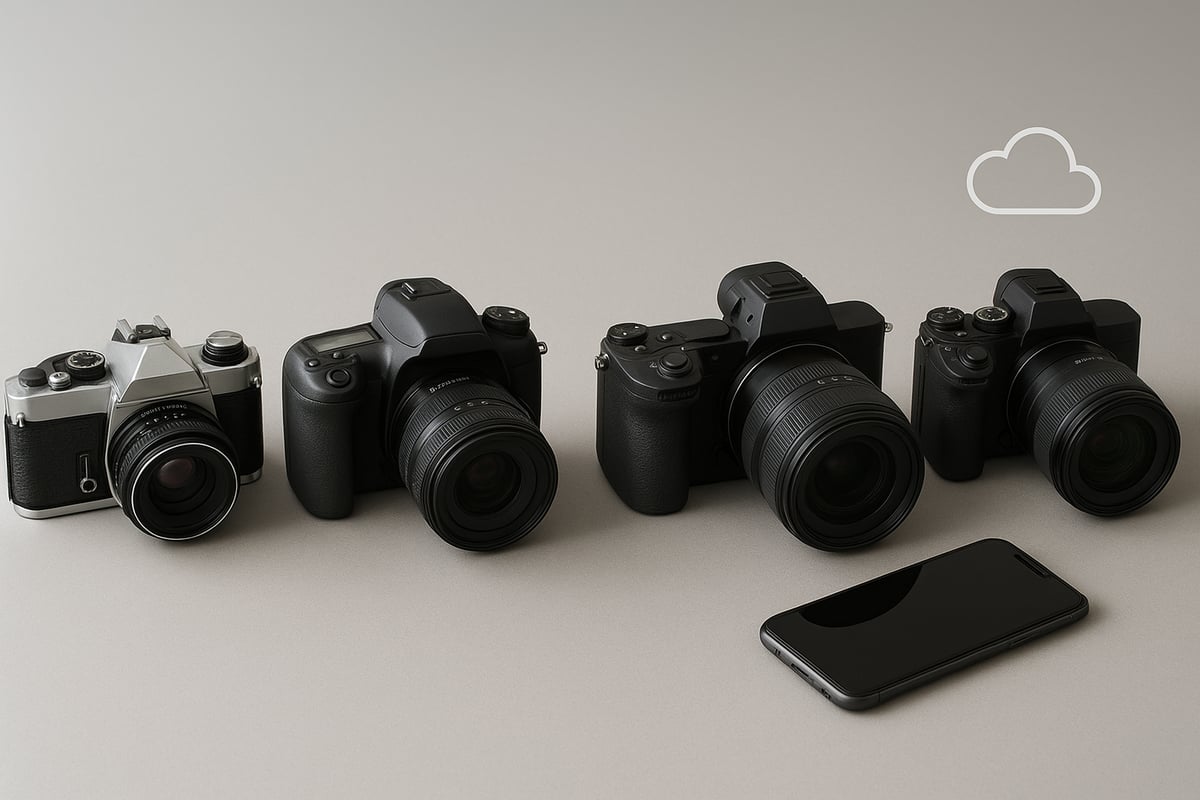
Photography has always been about freezing time, but the journey of still cameras to 2026 is a story of constant transformation. Looking back, I remember the tactile feeling of winding a roll of film, then the excitement as digital sensors began to redefine what was possible. The leap from analog to digital did not just change image quality, it completely altered how photographers work and think.
The era of film cameras gave way to early digital models, which at first could not match film for detail or color. But progress was swift. As the 2010s unfolded, digital still cameras became the new norm, with rapid improvements in resolution and low-light performance. The rise of mirrorless technology was a true turning point. By removing the mirror box, manufacturers created more compact and lighter bodies, paving the way for innovations in autofocus and video. Mirrorless models soon rivaled and even surpassed traditional DSLRs in many aspects. For a deeper look at this progression, the Evolution of digital cameras provides a thorough historical overview.
Then came the smartphone revolution. Suddenly, millions had a capable camera in their pocket, always ready to capture a moment. This forced the makers of still cameras to up their game. They had to offer features and quality that smartphones could not match, leading to breakthroughs in sensor size, lens technology, and creative controls. The competition pushed the boundaries of what enthusiasts and professionals could achieve.
Sensor technology is at the heart of these advances. Early digital sensors struggled with noise and limited dynamic range. Today, stacked and backside-illuminated sensors deliver astonishing detail and color fidelity. Improvements in color science have brought lifelike tones and subtle gradations. Artificial intelligence is now embedded in many still cameras, powering features like subject tracking, eye and animal detection, and even post-processing. These tools help photographers capture sharp, perfectly exposed images in challenging conditions.
Connectivity has become just as important as optics. The latest still cameras offer Wi-Fi, Bluetooth, and seamless cloud integration. Sharing photos instantly, controlling a camera remotely, or backing up images to the cloud are now standard expectations. This connectivity not only makes workflows faster but also transforms how photographers collaborate and showcase their work.
From a market perspective, camera sales saw a dip as smartphones became dominant, but from 2020 to 2025, there was a rebound, especially among enthusiast and professional models. According to industry data, mirrorless camera shipments grew by over 40 percent between 2021 and 2025, driven by demand for higher image quality and advanced features. Landmark releases like the Canon EOS R5, Sony Alpha 1, and Nikon Z9 redefined what still cameras could deliver, setting new standards for speed, resolution, and versatility.
For me and many fellow photographers, these changes have opened up creative horizons. The tools in our hands are more powerful, intuitive, and connected than ever before. As we step into 2026, still cameras are not just keeping up with the times, they are leading new ways to see and share the world.


Essential features to look for in still cameras in 2026
Finding the right still cameras in 2026 is about more than just picking the latest model. The landscape is packed with new features, from advanced sensors to seamless connectivity. As a photographer who has tested gear in countless real-world scenarios, I know the details can make or break your shooting experience. Let us break down what truly matters so you can choose still cameras that fit your vision and workflow.

Image quality: Sensors, resolution, and color science
Image quality is the heart of still cameras. In 2026, the big players continue to innovate with sensor types: full-frame, APS-C, micro four thirds, and even stacked sensors for lightning-fast readout. The real-world difference is obvious when you zoom in on details or print large. Higher resolution delivers crispness, but pixel size matters for low-light and dynamic range.
Color science is another factor that cannot be overlooked. Each brand brings a unique approach to rendering tones and hues. For example, Canon is known for warm skin tones, while Sony often delivers punchy contrast. Recent lab tests show the gap between brands is narrowing, yet subtle differences still influence creative choices. User reviews consistently mention how color profiles shape their preferred look.
For those curious about the latest breakthroughs, the Best mirrorless cameras guide offers a detailed look at models leading in image quality and innovation. When evaluating still cameras, always consider how sensor type and color science align with your style.
Autofocus and speed: Capturing the decisive moment
Autofocus has reached new heights in still cameras. AI-based tracking now locks onto eyes, faces, and even animals with uncanny precision. If you photograph sports or wildlife, burst rates of 20+ frames per second and deep buffers let you nail the action. I have witnessed still cameras transform the way I work at events, where a split-second makes all the difference.
Everyday users benefit too. Fast autofocus ensures that family moments, street photography, or travel snapshots are sharp and in focus. Modern systems rarely miss, even in low light or unpredictable situations. Brands continue to race ahead, refining algorithms to predict movement and improve consistency.
The result is a shooting experience that feels almost intuitive. Whether you are a pro or a hobbyist, the speed and reliability of autofocus in today’s still cameras will elevate your photography.
Ergonomics and usability: The photographer’s experience
Ergonomics in still cameras is more than comfort, it is about control. A well-designed grip, intuitive button placement, and customizable dials make a huge difference during long shoots. Touchscreen interfaces and streamlined menus have become standard, allowing quick access to key settings.
Photographers often share how a camera’s feel can influence creativity. I have found that a camera with excellent ergonomics encourages experimentation and reduces fatigue. According to major camera forums, user satisfaction scores are highest for models that combine solid build with thoughtful design.
Customizable controls let you set up still cameras for your unique workflow. Whether you want quick access to ISO or direct toggling between autofocus modes, the right layout saves time and keeps you in the moment. Ultimately, usability is about empowering you to focus on your vision.
Connectivity and sharing: Staying in sync
Connectivity is a game-changer for still cameras in 2026. Wi-Fi and Bluetooth are standard, enabling instant image transfer to smartphones or tablets. Cloud backup ensures your photos are safe the moment you shoot. I have seen how direct-to-phone sharing has changed habits, making it easy to post or send images straight from the field.
Remote control features are another highlight. You can now adjust settings and trigger shots from your device, perfect for group portraits or wildlife setups. Security is top of mind, with brands adding encryption and two-factor authentication to protect your data when using connected still cameras.
Instant sharing has become a central part of the modern photographic experience. With these features, still cameras blend the best of traditional quality and digital convenience.
Top still camera recommendations for every type of photographer in 2026
Choosing the right still cameras in 2026 can feel overwhelming, but the landscape has never been more exciting. Whether you are just starting or have years behind the lens, I have seen firsthand how the right gear can transform your creative journey. Here is my take on the best still cameras for every type of photographer this year.

Best for beginners: Affordable and user-friendly models
If you are new to photography, the latest still cameras make it easier than ever to start strong. Look for models with guided modes and built-in tutorials, which help you learn settings and composition without frustration. Some 2026 favorites include the Canon EOS R100 Mark II, Nikon Z30 II, and Sony Alpha ZV-E10X. These still cameras offer intuitive menus and lightweight bodies, so you can focus on capturing moments instead of fumbling with controls.
What sets these entry-level still cameras apart is the value they deliver at accessible prices. Many now include features like wireless sharing and in-camera editing, making it simple to share your first masterpieces. For a deeper dive, check out this Best digital cameras for beginners resource, which breaks down top picks and real-world user experiences.
Many beginners find success quickly with these models, building confidence and skills. Remember, the best still cameras are the ones that make you want to keep shooting.
Best for enthusiasts: Versatile and powerful choices
For those ready to step up, the mid-range still cameras in 2026 offer a sweet spot of performance and flexibility. Models like the Fujifilm X-T6, Canon EOS R7 Mark II, and Sony a6700 Pro are favorites among hobbyists for their robust image quality and fast autofocus.
A key advantage with these still cameras is the growing ecosystem of lenses and accessories. Whether you shoot landscapes, portraits, or action, you will find compatible options that let your creativity flourish. User ratings across major photography sites consistently praise these cameras for their reliability and adaptability.
I have seen many photographers stick with these still cameras for years, only upgrading when their needs change. The balance of features and price makes them a smart investment for anyone looking to grow their skills.
Best for professionals: Flagship and full-frame options
Professional photographers demand the best, and 2026 brings some truly impressive still cameras to the table. The Sony A1X II, Canon EOS R1, and Nikon Z9X stand out for their full-frame sensors, exceptional dynamic range, and rugged weather sealing.
These flagship still cameras are built for speed, accuracy, and durability. Fast burst rates, deep buffers, and advanced autofocus systems ensure you never miss a shot, even in challenging conditions. Many working pros I know rely on these models for everything from commercial projects to documentary assignments.
Adoption rates for these still cameras remain high among professionals, who value both the image quality and long-term reliability. If you are looking to make photography your career, investing in one of these top-tier models can pay off for years.
Best for travel and street: Compact and lightweight picks
Travelers and street photographers need still cameras that are ready at a moment’s notice. The Ricoh GR IV, Fujifilm X100VI, and OM System PEN-F2 are top choices in 2026 for their blend of portability, speed, and discreet styling.
What I love about these still cameras is how they balance image quality with convenience. Fast startup times and responsive controls mean you can catch fleeting moments without delay. Battery life and versatile lens options are also important, especially for long days on the move.
Many travel photographers I meet swear by these compact still cameras for their ability to deliver sharp, vibrant images without weighing them down. Comparing size and weight, these models are among the best for life on the go.
Best for creative experimentation: Unique and innovative cameras
For those who think outside the box, 2026 offers still cameras designed for creative exploration. Look for models like the Insta360 Evo Pro or the modular Sigma fpX, which support 360-degree capture and compatibility with vintage lenses or film backs.
Creative modes and in-camera filters expand your artistic toolkit, making it easy to experiment with new styles. I have seen photographers use these still cameras to launch unique projects, from immersive panoramas to retro-inspired photo series.
If you crave innovation, these still cameras can help you push boundaries and discover new ways to tell your story.
A photographer’s guide to buying and using a still camera in 2026
Choosing the right still cameras in 2026 is both an exciting and daunting task. With so many features and models, it pays to approach your purchase with clarity and strategy. Here, I share my personal roadmap for making smart decisions and getting the most from your camera investment.
Assessing your needs and setting a budget
Before you even look at still cameras, pause and define your goals. Are you drawn to portraiture, landscapes, or perhaps street photography? Your preferred genres will shape the features you need. For example, wildlife and sports demand fast autofocus and long lenses, while travel and street benefit from compact bodies.
Budget is the next hurdle. It is tempting to chase the latest and greatest, but set a realistic ceiling. Factor in not just the camera body, but also lenses, memory cards, and a sturdy bag. A common mistake is overspending on a body and skimping on lenses, which are crucial for image quality.
To help clarify your direction, I recommend exploring Types of photography you must learn. This resource connects still cameras to various styles, helping you match gear to ambition. Remember, your first purchase sets the tone for your photographic journey. Make it count.
Researching and comparing models
Once your needs and budget are clear, dive into research. Study spec sheets for sensor size, autofocus, and connectivity, but do not stop there. Seek out hands-on reviews and real-world tests, since still cameras often feel different in practice than they look on paper.
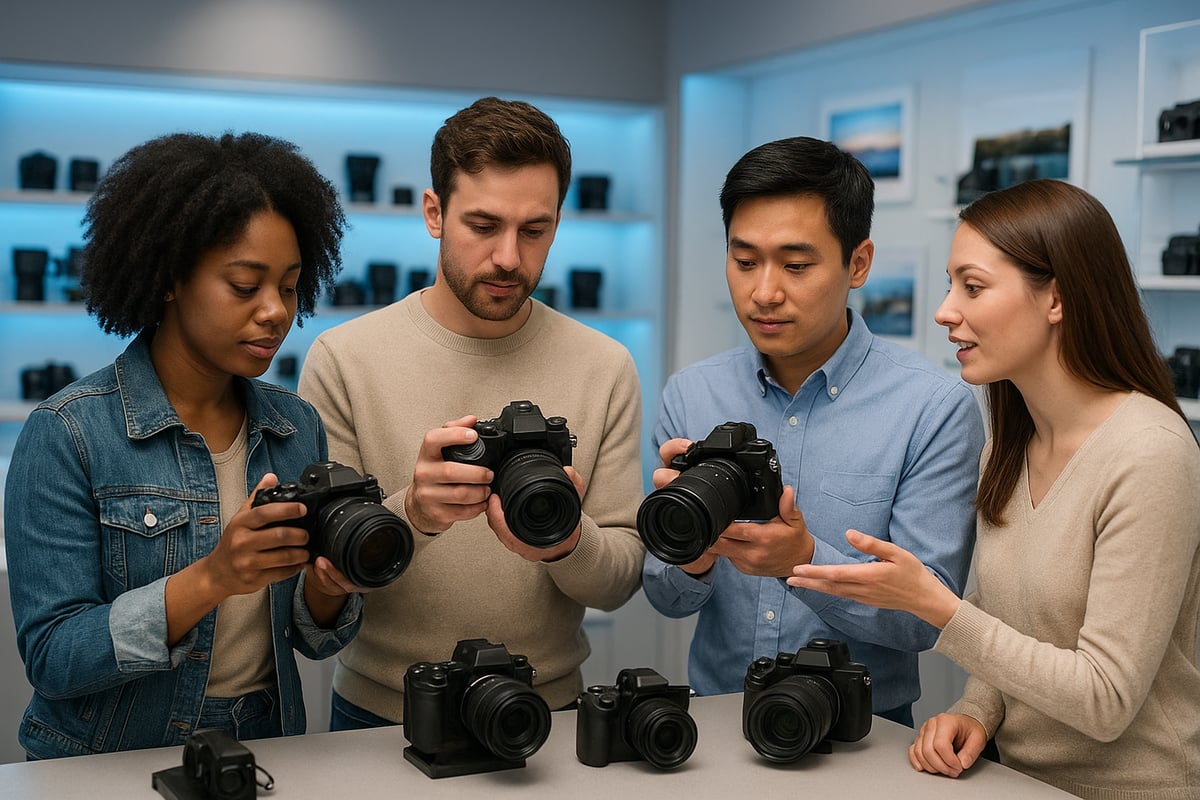
Comparison tables and online communities can reveal hidden gems or user frustrations. Try to visit a camera store if possible. Holding a camera, navigating its menu, and feeling the grip often tells you more than any review ever could.
Pay attention to firmware support and lens ecosystem. Some still cameras receive regular updates that unlock new features or fix issues. When reading marketing claims, look for independent lab results and user galleries. Trust your instincts and do not rush—finding the right fit is worth the effort.
Hands-on testing and accessories
Nothing beats time spent with still cameras in real scenarios. When testing, check ergonomics, menu structure, autofocus speed, and responsiveness. Try shooting in different lighting to assess performance.
For beginners, essentials include a comfortable strap, extra battery, and a high-quality SD card. Advanced users might add a tripod, ND filters, or a protective case. Renting or borrowing gear before buying is a wise move, especially for pricier models.
I have seen many photographers discover hidden preferences only after spending time with their chosen still cameras. Accessories can make or break your shooting experience, so do not overlook them.
Maintaining and future-proofing your camera investment
Caring for your still cameras is as important as choosing them. Clean your gear regularly, store it in a dry place, and keep firmware updated for peak performance. Proper maintenance extends the life of your investment.
Consider resale value and upgrade paths. Some brands hold value better, especially if you keep boxes and manuals. Warranty and service options provide peace of mind, especially for frequent travelers.
A well-maintained camera can serve you for years, adapting to new challenges. Think long-term and treat your still cameras as trusted tools in your creative toolbox.
How to stay ahead: Trends and innovations shaping still cameras in 2026
The world of still cameras in 2026 is nothing short of exhilarating. As a photographer who has witnessed the rapid transformation of our tools, I can say with confidence that we are living through a golden era of creative possibility. The pace of change is fast, but with a little insight, anyone can stay ahead and harness these innovations for their own artistic vision.

Computational photography and AI-powered editing
Computational photography has redefined what is possible with still cameras. AI-driven features like real-time scene recognition, intelligent noise reduction, and automatic exposure blending let photographers capture scenes that once demanded hours of manual editing. Using advanced algorithms, modern cameras can identify changing environments and adapt on the fly. For example, AI Scene Change Detection by i-PRO demonstrates how smart detection is not just for surveillance, but is also trickling into creative photography, enabling more reliable image capture even in unpredictable conditions.
AI-powered editing tools now live inside the camera menu, making post-processing faster and more intuitive. Whether you are retouching portraits or enhancing landscapes, these systems are designed to work with you, not against you. The impact on workflow is profound, giving users more time to focus on composition and storytelling.
Sustainability and eco-friendly design
Sustainability is no longer a niche concern for still cameras. Manufacturers are embracing recycled plastics, bio-based polymers, and more energy-efficient production methods. In 2026, many new camera bodies and lenses come with clear labeling about their environmental impact, and some brands even offer take-back programs for recycling old gear.
Repairable designs are becoming standard, with modular components that can be swapped out easily. This shift is not just good for the planet, but it also protects your investment. Photographers now factor in longevity and upgradability when choosing still cameras, knowing that a well-maintained model can serve for years.
Connectivity, cloud integration, and instant sharing
The modern photographer expects seamless connectivity. Wi-Fi and Bluetooth transfer are ubiquitous, but the real leap is in cloud-based workflows. Still cameras can now upload RAW files directly to the cloud, ensuring instant backup and freeing up memory cards for more shooting.
Remote control via smartphone apps has matured, offering live previews, touch focus, and firmware updates on the go. Security features have also improved, with encrypted transfers and user authentication to keep your work safe. Social media integration has influenced camera interfaces, with quick-share buttons and optimized aspect ratios for platforms like Instagram and TikTok.
Sensor technology and future innovations
Sensor technology remains at the heart of still cameras’ evolution. In 2026, stacked sensors and global shutters are becoming mainstream, offering unmatched dynamic range and eliminating rolling shutter artifacts. These advances produce cleaner images in challenging light, and open new creative options for both professionals and hobbyists.
The market for mirrorless models continues to expand, with more compact bodies and powerful lenses. For those interested in the broader industry landscape, Mirrorless camera market trends and statistics provides a comprehensive look at how these innovations have shaped both sales and user expectations over recent years.
Social media’s impact on still cameras cannot be overstated. Manufacturers now design features specifically for content creators, such as vertical video support, built-in filters, and direct streaming capabilities. Prototype models in 2026 experiment with touchless gesture controls, modular grips, and even AI-curated photo suggestions.
Industry experts predict that the next wave will focus on deeper AI integration, even more sustainable materials, and tighter cloud ecosystems. As photographers, staying curious and adaptable is key. These trends are not just technical upgrades, but opportunities to rethink how we create, share, and preserve our visual stories.