




View full specs
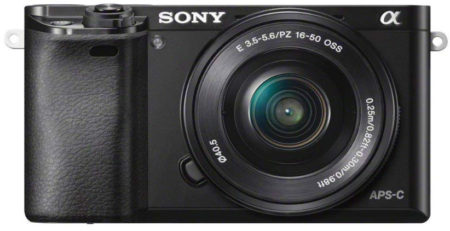
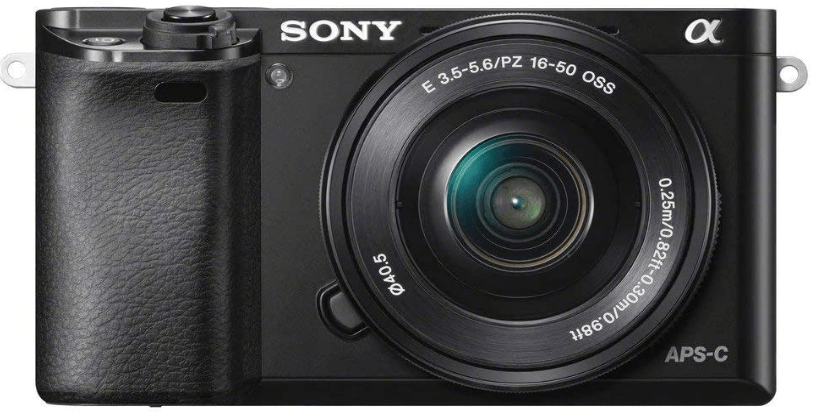
This Sony A6000 review needs a 2026 answer, not nostalgia. The camera is old, the specs are no longer impressive on paper, and newer Sony APS-C bodies are clearly better. But the A6000 still has one thing going for it: when the price is right, it remains a small, capable, enjoyable mirrorless camera for learning photography and building an E-mount kit.
My short verdict: the Sony A6000 is still worth buying if you want a cheap used mirrorless camera for still photography, travel, family, and learning manual controls. I would not buy it for serious video, advanced autofocus, or creator work. If you want a more modern version of the same idea, read our Sony a6100 review or the direct Sony a6000 vs a6100 comparison. If you are comparing the whole family, start with our Sony A6000 series guide.
Contents
- Sony A6000 review verdict: who should buy it?
- Why the Sony A6000 still matters
- Image quality in 2026
- Autofocus and speed
- Video quality and creator use
- Handling, viewfinder, and battery life
- Best lenses for the Sony A6000
- Sony A6000 vs a6100
- Sony A6000 vs a6400
- Where the A6000 fits in the Sony A6000 series
- Pros and cons
- Final verdict
- Frequently asked questions
Sony A6000 review verdict: who should buy it?
You will also see this camera written as the Sony Alpha a6000, and Sony styled the line with the Greek alpha mark as Sony α6000. I use A6000 as the main wording here because that is how most buyers search for it, but both names refer to the same camera.
The Sony A6000 is best for photographers who want a low-cost interchangeable-lens camera and care more about still images than video. It is a good fit for students, travel shooters, casual family photographers, and anyone who wants to learn aperture, shutter speed, ISO, and lenses without spending modern mirrorless money.
I would buy the Sony A6000 if:
- You want a cheap entry into Sony E-mount.
- You mainly shoot still photos, not video.
- You want a compact body with a real viewfinder.
- You are comfortable buying renewed or used gear.
- You would rather spend more of your budget on lenses.
I would skip it if:
- You need 4K video.
- You photograph fast kids, pets, sports, or wildlife often.
- You want a touchscreen or modern subject tracking.
- You need dependable low-light autofocus.
- The price is too close to a used a6100 or a6400; if the a6400 is on your shortlist, read the Sony a6000 vs a6400 comparison first.
Why the Sony A6000 still matters
The A6000 arrived in 2014, but it helped define what a small APS-C mirrorless camera could be: fast, light, sharp, and affordable. The reason it still appears in buyer searches is not that it beats new cameras. It is that it can be a real camera for a very reasonable price.
The 24MP APS-C sensor is still good for everyday photography. Files have enough detail for prints, cropping, and learning RAW editing. The body is small enough to carry without making photography feel like a production. The electronic viewfinder is basic by modern standards, but having one at all is a major advantage over many cheap compact cameras.
The A6000 also benefits from Sony E-mount. You can start with the inexpensive 16-50mm kit lens and later add better lenses without throwing the system away. That matters more than many beginners realize. A cheap body with a good lens can teach you more than a newer body with a lens you never enjoy using.
Image quality in 2026
The Sony A6000 image quality is still the best reason to consider the camera. In good light, it produces clean, detailed files with plenty of resolution for travel, family, street, and casual portrait work. If you shoot RAW, the files are flexible enough to recover shadows and adjust color without falling apart immediately.
Where the age shows is high ISO and color handling. I would be comfortable using ISO 100-1600 without much worry. ISO 3200 is usable when needed. Above that, modern APS-C cameras handle noise and color better. This is not a camera I would choose for dark indoor events or night street work unless I had a fast prime lens.
JPEGs are fine, but not as polished as newer Sony bodies. Skin tones can need a little help, and white balance can drift in mixed light. If you enjoy editing, this is manageable. If you want perfect phone-like processing straight out of camera, the A6000 will feel older.
Autofocus and speed
The A6000 was fast for its time, and it still feels responsive for basic shooting. Single-shot autofocus is quick in good light, and the 11 fps burst rate remains impressive for such an old, affordable body.
The limitation is tracking intelligence. Newer Sony cameras are much better at recognizing people, eyes, animals, and moving subjects. The A6000 can photograph action, but it makes you work harder. For posed portraits, travel scenes, landscapes, and casual moments, it is fine. For erratic children, pets, sports, or birds, the newer bodies are much easier to trust.
This is the biggest practical reason to consider the a6100 or a6400 instead. They do not just have newer specs; they make difficult focus situations feel less stressful.
Video quality and creator use
The Sony A6000 is not a camera I would buy for video in 2026. It records 1080p, not 4K. There is no microphone input. There is no flip screen for vlogging. Autofocus during video is not in the same league as newer Sony bodies.
That does not mean the video is useless. For casual clips, family footage, and simple tripod work, 1080p can still look pleasant with good light and a decent lens. But if video is a serious part of your buying decision, skip the A6000 and look at the a6100, a6400, a6700, or a dedicated creator camera.
In other words: the A6000 is a stills bargain, not a hidden video gem.
Handling, viewfinder, and battery life
The A6000 body is one of its best qualities. It is light, discreet, and easy to bring along. With a small prime or the 16-50mm kit lens, it can fit into a small shoulder bag and never feel like a burden. That is exactly why many people still like it.
The grip is small, so larger lenses can make the camera feel front-heavy. The buttons and menus are also from an older Sony era, which means they are functional but not elegant. There is no touchscreen, and changing the focus point feels slower than it should.
Battery life is acceptable, not great. If you are traveling or shooting all day, carry a spare. This is one area where the newer a6600 and a6700 feel much more mature.
Best lenses for the Sony A6000
The lens you choose matters more than squeezing every last spec from the body. If you only use the 16-50mm kit lens, the A6000 is convenient but not at its best. Add one good lens and the camera becomes much more interesting.
Good starter options include:
- Sigma 30mm f/1.4 DC DN: a strong everyday prime for portraits, travel, food, and low light.
- Sony 35mm f/1.8 OSS: compact, stabilized, and very useful as a walkaround lens.
- Sony 50mm f/1.8 OSS: affordable portrait lens with stabilization.
- Sony 18-135mm OSS: practical travel zoom if you want one lens for many situations.
Before spending too much on full-frame glass, read our Sony E-mount lens guide. The whole point of the A6000 is a small, affordable kit, so avoid building a setup that defeats that advantage.
Sony A6000 vs a6100
The Sony a6100 is the cleaner recommendation for most beginners if budget allows. It keeps the compact body style but adds much better autofocus, 4K video, a more modern shooting experience, and easier day-to-day reliability.
The Sony A6000 wins only when price is the priority. If the A6000 is much cheaper, it is a good learning camera. If the price gap is small, buy the a6100. The autofocus improvement alone is worth it for family, pets, portraits, and casual video.
Sony A6000 vs a6400
The Sony a6400 is a much stronger enthusiast body. It has better autofocus, better video, better build, and a more confident feel for action and hybrid work. It is the camera I would choose if I wanted one APS-C Sony body to keep for several years.
The A6000 still makes sense as a budget entry point. The a6400 makes sense if photography is becoming a serious hobby and you want fewer limitations from the body.
Where the A6000 fits in the Sony A6000 series
In the broader Sony APS-C lineup, the A6000 is the cheap entry point. It is not the best camera in the family anymore, but it remains important because it gets people into the system.
The short version is:
- A6000: cheapest stills-focused entry.
- A6100: better beginner camera with modern autofocus.
- A6400: best value enthusiast pick.
- A6600: older IBIS and battery-life option.
- A6700: best current Sony APS-C body.
For the full breakdown, use the Sony A6000 series guide.
Pros and cons
- Pros: low used price, good 24MP still image quality, small body, built-in viewfinder, fast burst shooting, strong E-mount lens ecosystem.
- Cons: no 4K video, no touchscreen, older autofocus tracking, modest battery life, dated menus, weaker low-light performance than newer bodies.
Final verdict
The Sony A6000 is still a good camera, but only if you buy it for the right reasons. It is not a modern hybrid camera, not a serious video tool, and not the best choice for fast action. It is a compact, affordable stills camera with a good sensor and access to a large lens system.
If you want to learn photography, travel light, and spend your money carefully, the A6000 still has a place. If you want easier autofocus, 4K video, and a camera that feels current, buy the a6100 or a6400 instead.
Frequently asked questions
Is the Sony A6000 still worth buying in 2026?
Yes, if you mainly shoot still photos and can find it at a good used or renewed price. It is not the best choice for video or advanced autofocus.
Is the Sony A6000 good for beginners?
Yes. The A6000 is a good beginner camera because it is affordable, compact, and capable of excellent still images. The a6100 is better if your budget allows.
Does the Sony A6000 shoot 4K video?
No. The Sony A6000 records up to 1080p video. If 4K matters, look at the a6100, a6400, or newer Sony APS-C bodies.
Is the Sony A6000 better than the a6100?
No. The a6100 is the better camera overall, especially for autofocus and video. The A6000 is only the better buy when it is significantly cheaper.
What is the best first lens for the Sony A6000?
The Sigma 30mm f/1.4 is a strong first prime. For travel, the Sony 18-135mm OSS is more flexible. For portraits, the Sony 50mm f/1.8 OSS is a good affordable option.
Budget stills shooters who want a small EVF body and cheap Sony E-mount entry.
You need 4K, touchscreen control, modern subject tracking, IBIS, or sealing.
Low to medium; small and capable, but menus and old AF show their age.
Sony a6100 for entry AF, a6400 for handling, or a6700 for current APS-C power.
1080p only, no mic input, and old codecs make it poor for serious creator work.
Yes for cheap stills; no if it costs close to an a6100 or a6400.
Last update on 2026-06-23 / Affiliate links / Images from Amazon Product Advertising API


