



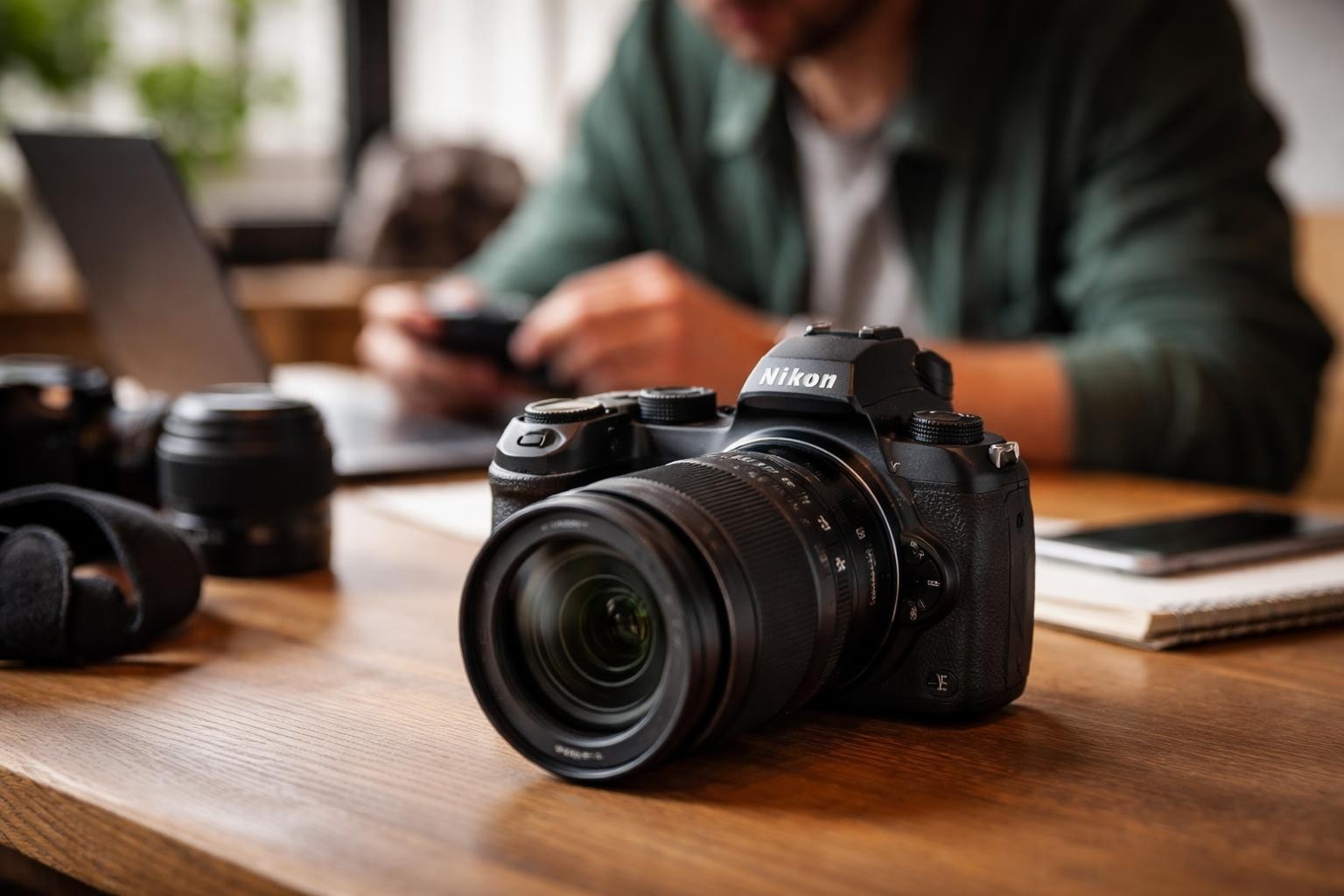

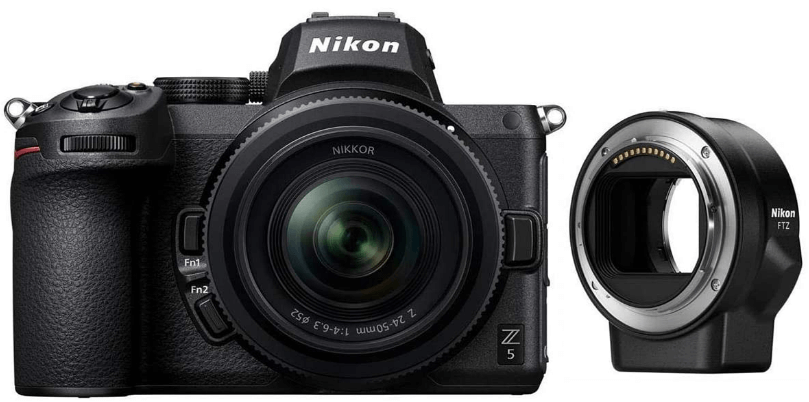
The Nikon Z5 landed in 2020 as an intriguing proposition for photographers wanting full-frame quality without the premium price tag. After spending considerable time with this camera across various shooting scenarios, I can say it delivers on many fronts while making calculated compromises elsewhere. This nikon z5 review digs into the practical realities of owning and shooting with this entry-level full-frame mirrorless camera, examining whether it still holds up in 2026 against newer competition and evolving photographer expectations.
Contents
- Build quality and handling
- Sensor performance and image quality
- Autofocus capabilities
- Video recording features
- Dual card slots and storage
- In-body image stabilization performance
- Battery life and power management
- Electronic viewfinder and screen
- Lens ecosystem and compatibility
- Continuous shooting and buffer
- Connectivity and workflow integration
- Who should buy the Nikon Z5
- Comparison with contemporary alternatives
- Practical shooting experience
- Firmware updates and ongoing support
- Final assessment considerations
Build quality and handling
The Z5 feels substantial in hand without becoming burdensome during extended shooting sessions. Nikon constructed the body with a magnesium alloy frame and weather sealing at critical points, giving you confidence when conditions turn challenging. The grip depth accommodates larger lenses comfortably, which matters when you mount heavier glass like the 24-70mm f/2.8 S.
The button layout follows Nikon’s traditional DSLR philosophy, making the transition smooth for photographers upgrading from bodies like the D750 or D610. Three customizable function buttons allow you to tailor the camera to your workflow, though the overall control scheme feels more conservative compared to cameras designed from the ground up for mirrorless operation. The mode dial sits on the left shoulder where you expect it, and the exposure compensation dial offers quick adjustments without diving into menus.
One notable absence is a joystick for moving autofocus points. Instead, you rely on the touchscreen or directional pad, which slows down AF point selection when working through the viewfinder. This becomes particularly noticeable during fast-paced shooting where eye contact with your subject matters more than glancing at the rear screen.
Weight and portability considerations
At 675 grams body-only, the Z5 sits lighter than most full-frame DSLRs but heavier than some mirrorless competitors. The balance changes significantly based on lens selection. Pair it with the compact 24-50mm kit lens and you have a remarkably portable combination for travel. Mount the 70-200mm f/2.8 S and the system demands more deliberate handling.
The grip depth prevents the camera from disappearing into jacket pockets, but that same depth provides control stability during handheld shooting. I found myself appreciating the solid foundation during portrait sessions where maintaining steady composition matters more than slipping the camera into tight spaces.


Sensor performance and image quality
The 24.3-megapixel full-frame CMOS sensor delivers images with pleasing tonality and color reproduction straight from the camera. Nikon’s color science produces skin tones that require minimal correction in post-processing, saving time when working through wedding or portrait sessions with hundreds of frames.
Dynamic range holds up well through the ISO spectrum, giving you flexibility during high-contrast scenarios. Shadow recovery at base ISO retrieves detail without introducing excessive noise, though you should expose properly rather than relying on extreme post-processing rescue operations. Highlight rolloff maintains texture in bright areas like sky details or light-colored clothing where cheaper sensors clip abruptly.
ISO performance breakdown
Testing the Z5 across various lighting situations revealed its strengths and practical limits:
| ISO Range | Image Quality | Best Use Cases |
|---|---|---|
| 100-800 | Exceptional detail, minimal noise | Landscapes, studio work, product photography |
| 1600-3200 | Very good with slight noise in shadows | Indoor events, street photography, low-light portraits |
| 6400-12800 | Usable with noise reduction applied | Concert photography, dimly lit interiors |
| 25600-51200 | Emergency use only, significant quality loss | Situations where capturing the moment outweighs quality concerns |
The camera performs admirably through ISO 3200, which covers most real-world shooting scenarios. Beyond that threshold, you notice grain and color shifts that become more pronounced as values climb. Unlike some competitors offering extended high-ISO ranges, the Z5 acknowledges its practical limitations around ISO 12800 for critical work.
When evaluating this camera alongside other options in similar price brackets, consider checking out our guide to the best cameras under 700$ for additional perspectives on value-focused photography gear.
Autofocus capabilities
The hybrid autofocus system combines 273 phase-detection points with contrast-detection coverage across roughly 90% of the frame. This provides reliable subject tracking in good lighting conditions, though the system predates Nikon’s more advanced subject-detection algorithms found in newer Z-series bodies.
Face and eye detection work consistently for portraits, locking onto subjects and maintaining focus during moderate movement. The system prioritizes the nearest eye by default, which proves helpful during close-up work. However, tracking erratic subject motion like children running or pets playing requires more anticipation from the photographer compared to flagship autofocus systems.
Real-world autofocus scenarios
Portraits and stationary subjects: The Z5 excels here, delivering sharp focus with minimal hunting. Eye detection activates quickly and maintains lock even when subjects shift slightly within the frame.
Moving subjects: Performance drops off when tracking unpredictable movement. The autofocus keeps pace with joggers or cyclists moving at consistent speeds, but struggles with sudden direction changes or subjects moving directly toward the camera at speed.
Low light: The rated sensitivity of -2 EV handles dimly lit environments better than expected. Indoor gatherings and evening street photography remain manageable, though the system slows down as available light decreases.
The lack of animal-specific detection modes feels dated in 2026, especially when photographing wildlife or pets. You can work around this limitation through manual focus point selection and continuous AF modes, but it requires more active involvement than newer cameras with dedicated subject-detection algorithms.

Video recording features
Video capabilities represent where the Z5 shows its entry-level positioning most clearly. The camera records 4K UHD at 30fps with a significant 1.7x crop factor that severely limits wide-angle work and forces lens selection decisions. Full-frame 4K would have positioned this camera more competitively, but Nikon reserved that feature for higher-tier models.
Switching to Full HD removes the crop and enables 60fps recording, which many videographers prefer for smooth motion and slow-motion flexibility. The footage quality at 1080p remains sharp and detailed, making it viable for professional work where 4K delivery isn’t required.
Video limitations to consider
- No 10-bit internal recording limits color grading flexibility
- Maximum recording time of 30 minutes per clip
- No headphone jack for audio monitoring during recording
- Single SD card slot creates risk during critical video captures
The absence of advanced video features reflects the Z5’s primary identity as a stills-focused camera that happens to shoot video rather than a hybrid tool equally suited for both disciplines. Serious video work demands looking elsewhere in Nikon’s lineup or considering competitors prioritizing video features.
Dual card slots and storage
Here’s where the Z5 distinguishes itself from some competitors: dual UHS-II SD card slots. This might seem mundane until you experience a card failure during an irreplaceable moment like a wedding ceremony or once-in-a-lifetime travel experience. The redundancy options allow overflow, backup, or separation of RAW and JPEG files across cards.
The choice of SD cards rather than CFexpress keeps costs lower and maintains compatibility with existing card collections for photographers transitioning from DSLRs. Write speeds handle the Z5’s continuous shooting rates without bottlenecking, though faster cards improve buffer clearing when shooting RAW bursts.
Buffer capacity allows approximately 40 RAW frames at 4.5fps before the camera slows down. This proves adequate for most photography genres outside sports and fast action. Planning your bursts rather than holding the shutter down indefinitely becomes part of the shooting discipline with this camera.
In-body image stabilization performance
The 5-axis IBIS system provides up to 5 stops of shake compensation according to Nikon’s specifications. Real-world testing suggests 3-4 stops represents more realistic expectations depending on focal length, shooting technique, and subject distance.
Handholding the 50mm f/1.8 S at 1/4 second produces sharp results more often than not, expanding your ability to work in available light without pushing ISO values into noisy territory. Longer focal lengths benefit less dramatically but still provide noticeable improvement over non-stabilized shooting.
The stabilization system works independently of lens-based VR, and when both are present, the camera automatically coordinates them for optimal results. This proves particularly valuable with adapted F-mount lenses lacking their own stabilization, breathing new life into older glass through the Z mount adapter.
| Focal Length | Recommended Minimum Shutter Speed | IBIS-Enabled Handholding Limit |
|---|---|---|
| 24mm | 1/30s | 1/2s |
| 50mm | 1/60s | 1/4s |
| 85mm | 1/100s | 1/15s |
| 200mm | 1/250s | 1/30s |
These values assume proper handholding technique and average steadiness. Your personal results will vary based on factors like caffeine intake, physical conditioning, and shooting position stability.
Battery life and power management
The EN-EL15c battery provides approximately 390 shots per charge when using the viewfinder, or roughly 470 shots when relying primarily on the rear screen. These numbers fall short of DSLR battery performance but align with mirrorless camera expectations given the constant power draw from electronic viewfinders and sensors.
Carrying spare batteries becomes essential for full-day shooting, particularly during events or travel where charging opportunities remain limited. The camera charges via USB-C, allowing power banks to extend shooting time in the field. This convenience matters during multi-day hiking trips or destination photography where electrical outlets prove scarce.
Power management settings help squeeze additional frames from each charge. Reducing EVF brightness, shortening screen timeout durations, and disabling unnecessary features like Wi-Fi extend battery life moderately. However, these compromises reduce the shooting experience, making spare batteries the better solution for serious photography sessions.
Electronic viewfinder and screen
The 3.69-million-dot OLED viewfinder delivers a clear, detailed view with minimal lag during normal shooting. The 0.8x magnification provides comfortable framing without feeling cramped, though larger viewfinders on premium bodies offer more expansive viewing experiences.
Refresh rate handles most situations smoothly, though panning quickly across high-contrast scenes occasionally introduces minor artifacts. These rarely impact actual photography but become noticeable when actively looking for limitations. The viewfinder brightness adjusts automatically or manually depending on your preference, maintaining visibility across varying ambient light conditions.
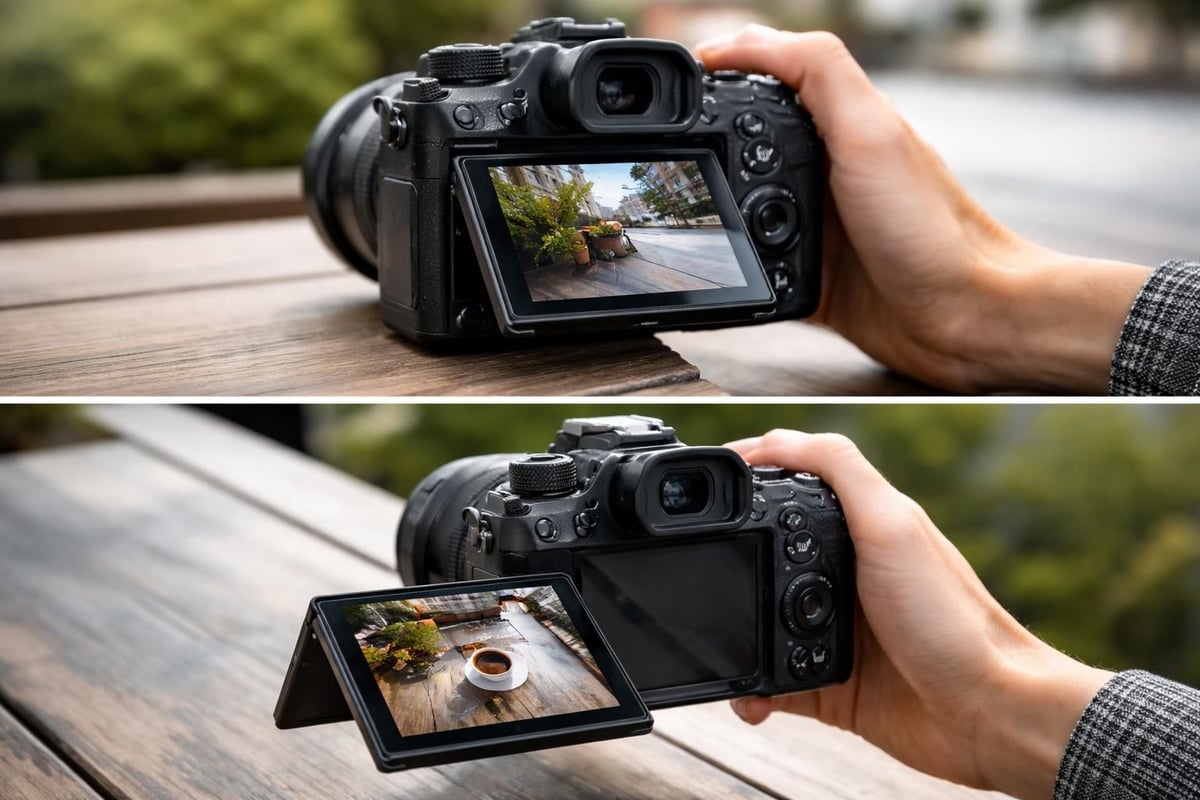
The 3.2-inch tilting touchscreen articulates upward approximately 90 degrees and downward about 45 degrees. This facilitates low-angle and overhead shooting but lacks the versatility of fully articulating screens for vlogging or self-portrait work. The touch interface responds accurately for menu navigation, focus point selection, and image review, though I found myself preferring physical controls for primary camera functions.
Lens ecosystem and compatibility
The Nikon Z mount opens access to exceptional native lenses, though building a complete kit demands significant investment. The 24-50mm f/4-6.3 kit lens provides a compact starting point but limits creative flexibility through its variable aperture and modest focal range. Serious photography requires stepping up to faster glass.
Native Z-mount primes like the 50mm f/1.8 S deliver outstanding sharpness and bokeh quality at reasonable prices. The 24-70mm f/2.8 S and 70-200mm f/2.8 VR S represent professional-grade zooms that extract maximum performance from the Z5 sensor, though their costs exceed the camera body price.
Adapted F-mount performance
The FTZ adapter allows mounting Nikon’s extensive F-mount lens collection on the Z5, preserving investments in existing glass. Autofocus performance remains generally strong with AF-S and AF-P lenses, while older AF-D lenses lose autofocus capability entirely.
I tested several F-mount lenses including the 85mm f/1.8G, 24-120mm f/4G VR, and 70-200mm f/2.8G VR II. All performed admirably with reliable autofocus and image quality matching their DSLR performance. The adapter adds length and weight to the setup but provides a practical transition path for photographers gradually building their Z-mount collection.
When comparing Nikon’s overall lens ecosystem and camera options, our comprehensive camera brands guide offers broader context for evaluating system commitments.
Continuous shooting and buffer
The 4.5fps continuous shooting rate feels modest by contemporary standards where 10fps has become commonplace even in entry-level models. This limitation impacts sports and wildlife photography more than portraits, landscapes, or street work where deliberate framing matters more than spray-and-pray tactics.
The buffer handles approximately 40 14-bit RAW files before slowing down, which provides about 9 seconds of continuous shooting before hitting performance limits. Fast UHS-II SD cards help clear the buffer more quickly between bursts, but the fundamental limitation remains compared to cameras with deeper buffers.
For many photography disciplines, 4.5fps proves entirely adequate. Wedding photographers capture decisive moments, landscape photographers work methodically with composition, and portrait shooters prioritize connection over frame count. Understanding your shooting style determines whether this specification represents a dealbreaker or irrelevant detail.
Connectivity and workflow integration
Built-in Wi-Fi and Bluetooth enable wireless image transfer to smartphones and tablets through Nikon’s SnapBridge app. The connection reliability improved significantly through firmware updates, though the transfer speeds remain slower than physically removing the SD card for large batches of images.
Remote shooting capabilities allow camera control from mobile devices, providing basic functionality for triggering the shutter, adjusting exposure settings, and reviewing images. This proves helpful for self-portraits, group photos including the photographer, and wildlife photography from blinds or remote positions.
The single USB-C port handles both charging and data transfer. Tethered shooting works reliably with Lightroom and Capture One, though the lack of a second USB port means choosing between tethering and external power during studio sessions.
Who should buy the Nikon Z5
This camera targets specific photographer profiles rather than attempting universal appeal. First-time full-frame buyers transitioning from crop-sensor DSLRs find familiar ergonomics and controls easing the learning curve. The dual card slots provide professional reliability often absent from entry-level bodies.
Hobbyist photographers prioritizing image quality over bleeding-edge features appreciate the sensor performance and mature handling. The Z5 delivers professional image quality without demanding professional pricing, making full-frame photography accessible to dedicated amateurs.
When to look elsewhere
Video-focused creators should consider alternatives offering 10-bit recording, full-frame 4K, and unlimited recording times. The Z5’s video specifications lag behind competitors prioritizing hybrid functionality.
Sports and wildlife photographers need faster continuous shooting rates and more sophisticated autofocus tracking. The 4.5fps and older AF algorithms struggle with erratic subject movement that newer cameras handle effortlessly.
Budget-conscious buyers might find better value in crop-sensor alternatives offering similar features with smaller, lighter lenses. The full-frame advantage matters primarily when you need shallow depth of field, low-light capability, or maximum image quality.
According to detailed specifications from various sources, the Z5 positions itself as a deliberate compromise between capability and affordability rather than competing on specifications alone.
Comparison with contemporary alternatives
Several cameras compete directly with the Z5 in the entry-level full-frame mirrorless category. The Canon EOS RP offers similar resolution and pricing but lacks in-body stabilization and dual card slots. The Sony A7 III provides superior autofocus and faster continuous shooting but costs more and shows its age in other areas.
Within Nikon’s own lineup, the Z6 II adds better video specs, faster shooting, and dual processors for improved performance across the board. The price gap between these models has narrowed over time, making the Nikon Z6 II worth considering if budget allows stretching slightly higher.
Recent developments in Nikon’s mirrorless lineup include the Z5 II, which addresses several limitations of the original model with improved video capabilities and updated autofocus algorithms. However, the original Z5 remains available at reduced prices, representing significant value for photographers prioritizing stills over video.
Practical shooting experience
Living with the Z5 over extended periods reveals both its thoughtful design and calculated limitations. The camera disappears into the shooting process during portrait sessions, allowing focus on subjects rather than fighting controls. The battery life requires planning but rarely interrupts workflow when carrying spares.
Image quality consistently impresses across diverse lighting conditions. The files provide excellent latitude for moderate post-processing adjustments without falling apart. Color accuracy reduces editing time, particularly valuable when processing hundreds of images from events or sessions.
The autofocus proves reliable within its operational envelope. Learning its strengths and weaknesses allows working confidently rather than constantly second-guessing focus accuracy. The eye detection handles most portrait work automatically, freeing attention for connection and composition.
Long-term reliability observations
After two years of regular use including beach photography, mountain hiking, and urban exploration, the Z5 continues performing without mechanical issues. The weather sealing protected against light rain and dusty environments, though I avoided extreme conditions requiring professional-grade ruggedness.
The shutter mechanism shows no degradation in consistency or noise levels. Nikon rates the shutter life at 200,000 actuations, suggesting years of service for typical photographic usage patterns. The battery capacity remains strong without noticeable degradation from charge cycles.
Button and dial response maintains crisp tactile feedback without developing looseness or sticky operation. The articulating screen hinge operates smoothly despite frequent adjustments during low-angle work. These durability factors contribute to long-term ownership satisfaction beyond initial specifications.
Firmware updates and ongoing support
Nikon has released several firmware updates improving autofocus performance, adding features, and addressing user-reported issues. The company’s commitment to supporting older models through software updates extends practical lifespan beyond initial release specifications.
Recent updates improved eye detection reliability and expanded customization options for function buttons. While these updates don’t transform fundamental camera capabilities, they demonstrate ongoing development attention rather than abandoning products after initial release.
The established user community provides extensive third-party resources including custom settings, lens recommendations, and technique tutorials. This ecosystem value often gets overlooked when evaluating cameras purely on specifications, but significantly impacts practical ownership experience.
Final assessment considerations
The nikon z5 review reveals a camera that prioritizes solid fundamentals over flashy specifications. It delivers excellent image quality, reliable handling, and professional features like dual card slots at an accessible price point. The compromises made achieving this balance impact specific use cases more than others.
Understanding what you actually photograph matters more than chasing specifications. Portrait photographers find the Z5 entirely capable, while sports shooters bump against its limitations immediately. Landscape work benefits from the sensor quality and IBIS, while video creators need different tools entirely.
Space.com’s detailed analysis highlights the minimalist button layout and tilting touchscreen as key design elements that contribute to the overall user experience. Similarly, TechRadar’s comprehensive assessment examines image quality and high-ISO performance in detail, providing additional perspectives on real-world capabilities.
The value proposition remains strong in 2026 particularly for photographers entering the full-frame market without flagship budgets. The camera delivers where it matters most for many users while honestly acknowledging areas where premium models justify their higher costs. This transparency helps photographers make informed decisions matching tools to actual needs rather than perceived requirements.
For photographers seeking additional perspectives on travel-friendly full-frame options, our best travel camera recommendations provide broader context for evaluating portability alongside image quality considerations.
The Nikon Z5 represents a calculated approach to entry-level full-frame photography, delivering core capabilities without unnecessary complexity or cost. Whether this camera fits your specific needs depends entirely on understanding your photographic priorities and shooting patterns. At Lens and Shutter, we provide comprehensive reviews and expert guidance helping photographers navigate these decisions with confidence, ensuring your gear investments align with your creative vision and practical requirements.
Last update on 2026-03-28 / Affiliate links / Images from Amazon Product Advertising API


