



Even in 2026, the iconic Nikon D4 continues to capture the imagination of photographers and collectors who appreciate its blend of durability, speed, and image quality. This guide is designed to serve as the most current and comprehensive nikon d4 specs reference for anyone looking to understand or maximize this legendary camera. Inside, you will find a deep dive into sensor technology, autofocus, video features, body design, connectivity, and practical tips for getting the best results in today’s workflows. If you are passionate about photography, this manual promises insights that keep the D4 relevant and powerful in a fast-changing landscape.
Contents
Sensor and image quality
Exploring the sensor and image quality of the Nikon D4 in 2026 is like revisiting a classic lens—timeless performance, yet always worth a closer look. For anyone researching nikon d4 specs, understanding what sets this camera apart in terms of imagery is essential. Let us break down the details, from sensor design to lens compatibility, so you can make the most of this legendary DSLR.

Sensor technology and resolution
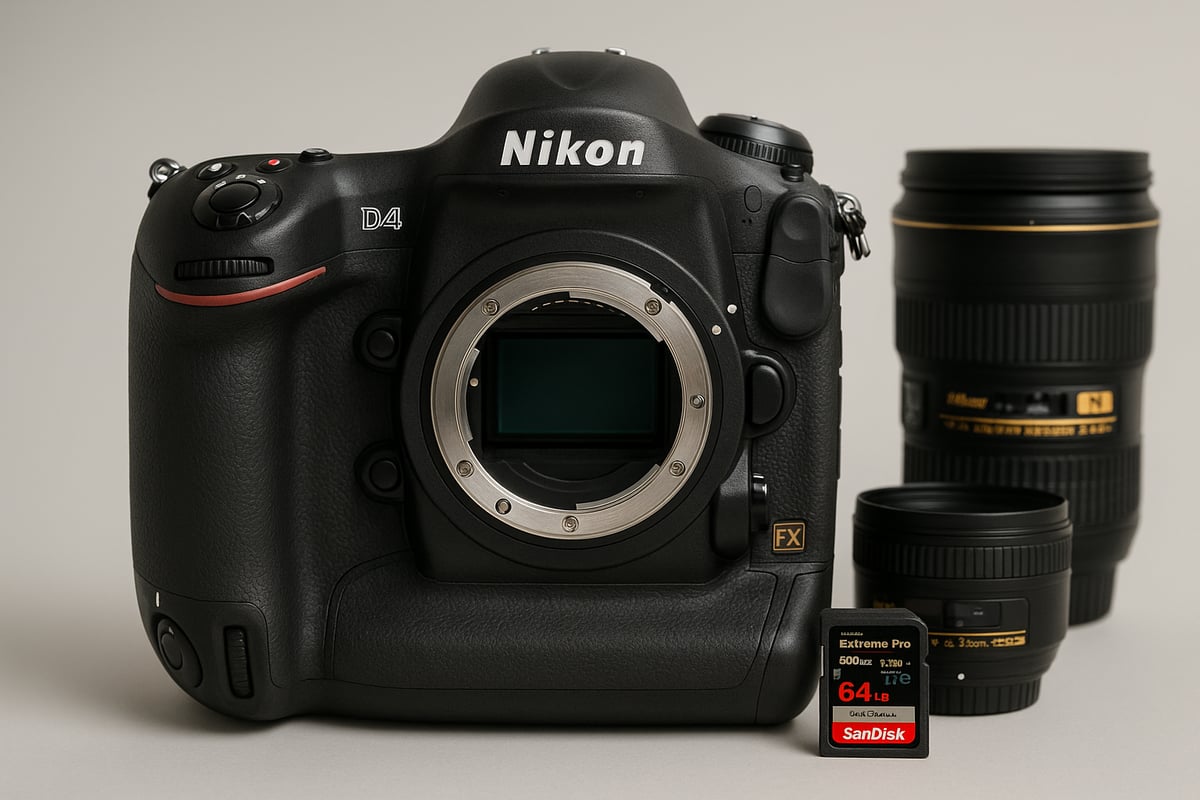
The heart of the Nikon D4 is its 16.2-megapixel full-frame CMOS sensor, measuring 36.0 x 23.9mm. This sensor delivers a native ISO range of 100 to 12800, expandable up to an impressive 204800. That broad sensitivity means you can shoot in everything from bright daylight to dimly-lit stadiums, capturing clean files even at high ISO.
The sensor size plays a big role in achieving shallow depth of field and excellent dynamic range. In my experience, the D4’s sensor handles low light with less color noise than many modern mid-tier DSLRs, making it ideal for event and sports shooters. Nikon’s color science is particularly strong here, rendering skin tones with nuance and realism.
Maintenance is straightforward thanks to the built-in sensor cleaning system, though occasional manual cleaning is still necessary. Compared to the latest sensors in 2026, the D4 may not match the sheer megapixel count, but its real-world performance remains competitive for action and reportage. For a detailed breakdown of technical specifications, the Nikon D4 official specifications page is a valuable reference.
Image processing and file formats
Nikon’s EXPEED 3 image processor powers the D4, enabling fast, efficient handling of large files. The camera supports RAW, JPEG, and TIFF formats, giving flexibility for both quick turnarounds and deep post-processing. In-camera processing options like noise reduction and picture controls are fully customizable, allowing you to tailor output to your workflow.
Buffer depth is generous, letting you capture extended bursts without missing critical moments. For sports and wildlife, this is a real advantage. In practical terms, the nikon d4 specs allow for smooth shooting, even when working with demanding subjects or rapid sequences. While newer processors are faster, the D4’s EXPEED 3 still holds up well for most shooting scenarios.
Dynamic range and noise performance
The dynamic range of the D4 is impressive for its era, with measured results around 13 stops at base ISO. That means you can recover both highlights and shadows during post-processing, which is crucial for high-contrast scenes. High-ISO noise is well controlled, with fine grain and minimal chroma noise even at ISO 6400.
I have found the D4 particularly useful for night events and astrophotography. Shadow recovery is strong, though pushing files to the extreme can introduce some banding. To minimize noise, expose to the right and avoid underexposing in very dark conditions. These nikon d4 specs make the camera a reliable choice for professionals seeking consistent results in variable lighting.
Color reproduction and white balance
Color accuracy is a hallmark of the Nikon D4. The camera offers both auto and manual white balance options, including presets and custom Kelvin settings for precision. You can select from different color profiles such as Standard, Neutral, and Vivid, each delivering a distinct look.
In mixed lighting, the D4’s auto white balance is generally reliable, but for critical work, I recommend manual Kelvin adjustments. Skin tones and subtle color transitions are rendered naturally, helping you achieve consistent results. If you want to get the most from your nikon d4 specs, shoot a custom white balance card in challenging conditions.
Lens compatibility and optical performance
One of the key strengths in the nikon d4 specs is its broad F-mount lens compatibility. The D4 works seamlessly with AF, AF-S, and AI lenses, as well as many third-party options. Using modern glass, you can extract every bit of sharpness the sensor offers, while legacy lenses provide creative rendering and unique character.
Autofocus motors and electronic aperture control deliver fast, precise results. The D4’s sensor rewards high-quality optics, so investing in premium lenses pays off. For creative flexibility, I often pair the D4 with older manual focus lenses, taking advantage of the camera’s robust build and optical performance.
Autofocus, speed, and performance
The Nikon D4 has earned a reputation for delivering reliable autofocus, impressive speed, and consistent performance under demanding conditions. If you are considering the nikon d4 specs for action, wildlife, or event work in 2026, this section breaks down everything you need to know about how the D4 holds up in the field.

Autofocus system overview
The Nikon D4’s autofocus system is built around the 51-point Multi-CAM 3500FX module, a design that remains highly respected for accuracy and flexibility. With 15 cross-type sensors clustered at the center, the system locks on quickly and tracks subjects with impressive precision. Low-light sensitivity down to -2 EV enables reliable focus for indoor sports or twilight wildlife sessions.
You can customize AF modes for different scenes, including dynamic area, 3D tracking, and single-point. Real-world users praise the AF’s ability to maintain focus on erratic subjects, making the nikon d4 specs a favorite for fast-paced action. For more technical details and user impressions, check out the Nikon D4 in-depth review.
Continuous shooting and buffer
Sports and wildlife shooters rely on the D4’s 10 frames per second burst rate, with an option for 11 fps when locking focus and exposure. This rapid shooting is made possible by a robust buffer, capable of handling up to 105 RAW or 200 JPEG images before slowing down. In the nikon d4 specs, this translates to sustained performance during high-action sequences.
Compared to newer cameras, the D4’s buffer remains competitive for most professional needs. To optimize burst shooting, use fast XQD or CompactFlash cards and pre-set your focus and exposure for critical moments. This ensures you never miss the shot.
Shutter and durability
A key advantage in the nikon d4 specs is the mechanical shutter, rated for 400,000 actuations—a testament to Nikon’s engineering. The maximum shutter speed is 1/8000s, and the flash sync tops out at 1/250s. These specs give photographers flexibility for both fast action and creative lighting.
The D4 is built to withstand tough environments, from sports sidelines to dusty safaris. Professionals report years of reliable service, even in rain or freezing temperatures. Maintenance tips include regular sensor cleaning and keeping seals free of debris for maximum longevity.
Battery life and power management
Battery performance is another highlight in the nikon d4 specs. The EN-EL18 battery delivers up to 2,600 shots per charge under CIPA standards, and users often report even higher counts in real-world use. Cold and hot climates have minimal impact if you keep spare batteries close to your body for warmth.
Power-saving settings like standby timers and LCD brightness adjustments help extend shooting sessions. The D4 is compatible with third-party batteries, but always test for reliability. For on-the-go pros, portable chargers and car adapters are essential accessories.
Real-world performance: sports, wildlife, and events
Photographers continue to choose the D4 for its responsiveness and reliability, even in 2026. The nikon d4 specs make it a go-to for capturing decisive moments in sports, wildlife, and live events. Its quick startup time, fast AF acquisition, and no-lag shutter response contribute to a seamless shooting experience.
Iconic images from the Olympics, World Cups, and wildlife reserves have been captured with the D4. Many pros appreciate its tactile controls and rugged build, which remain unmatched by some modern alternatives. That enduring trust is why the D4 still earns a place in many professional kits.
Video and multimedia features
Modern photographers often ask if the nikon d4 specs still hold up in today’s demanding video workflows. As someone who has shot both stills and video with this camera, I can confidently say the D4’s multimedia features remain surprisingly relevant in 2026. Let’s break down what this classic DSLR brings to the table for videographers and hybrid shooters.
Video recording specs and formats
The nikon d4 specs include full HD 1080p video recording at 30, 25, and 24 frames per second, as well as 720p options up to 60 fps. Compression uses H.264/MPEG-4 AVC, balancing quality and manageable file sizes. Maximum clip length is about 29 minutes, with FAT32 file size limits still in play.
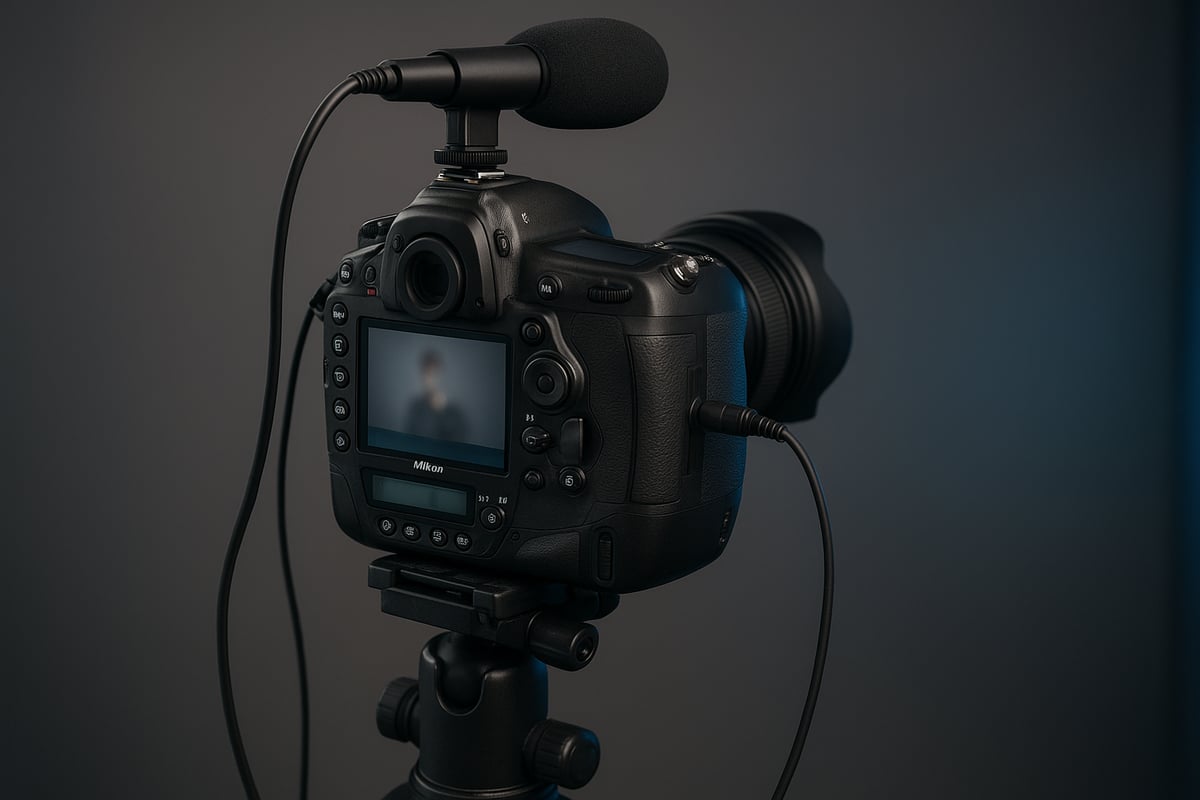
Audio-wise, the D4 offers both a 3.5mm mic input and a headphone jack, giving you control over your sound. A real advantage is the clean HDMI output, letting you connect external recorders for higher quality or longer takes. For a deeper dive into the original launch features and how they stack up, check out the Nikon D4 announcement and features.
Audio controls and monitoring
One area where the nikon d4 specs shine is audio control. You get manual audio level adjustments right in-camera, which is crucial for professional interviews or field work. Headphone monitoring is supported, with on-screen meters to help dial in your levels.
The preamp is clean enough for most uses, though using a quality external mic or preamp can further improve sound quality. Personally, I always recommend carrying a shotgun or lav mic for best results. With a little planning, you can capture broadcast-ready audio straight into your D4.
Video autofocus and manual focus options
When it comes to video autofocus, the nikon d4 specs rely on contrast-detect AF in live view. While not as fast as today’s hybrid systems, it is reliable for static or slow-moving subjects. For most projects, I prefer manual focus, using the D4’s focus magnification to nail sharpness.
There is no focus peaking, but practice makes manual work intuitive. Smooth focus pulls are absolutely possible with a decent lens and a gentle touch. Compared to modern mirrorless cameras, you trade some speed for absolute control, which many pros still value.
Multimedia versatility in 2026 workflows
Despite newer options, the nikon d4 specs make it a solid B-cam for interviews, documentaries, or YouTube projects. The built-in intervalometer is perfect for time-lapse work, and compatibility with external recorders or monitors extends its versatility.
In real-world use, I have seen the D4 paired with modern lighting and audio gear to great effect. Its limitations, like lack of 4K or advanced AF, are easily worked around with thoughtful planning. For anyone who values reliability and classic Nikon color, the D4 still earns its place in multimedia setups today.
Body design, controls, and usability
The Nikon D4’s body design remains an enduring benchmark for professional DSLRs. Its robust build, intuitive controls, and adaptability have kept it relevant even as newer models arrive. For those diving into the nikon d4 specs, understanding how these features work together is crucial for getting the most from this legendary camera.
Build quality and weather sealing
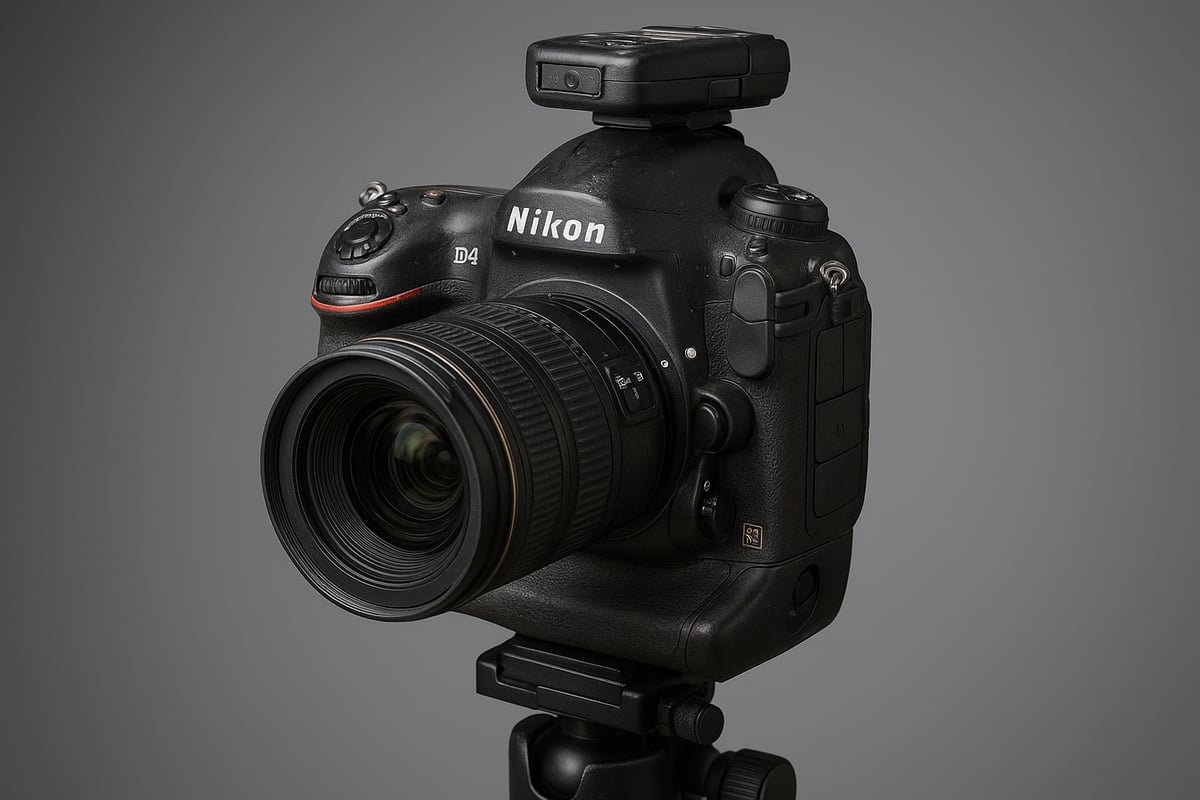
The Nikon D4 boasts a magnesium alloy chassis, engineered for maximum durability and reliability in demanding environments. Its weather sealing is extensive, protecting against dust, moisture, and cold, which is ideal for outdoor and travel photographers. In my experience, the nikon d4 specs for build quality provide peace of mind when shooting in rain, snow, or desert conditions.
Ergonomics are another strong point. The deep grip and balanced weight distribution make it comfortable to use with heavy telephoto lenses during long assignments. Many professionals report that after years of hard use, the D4 continues to feel solid and dependable.
Controls and customization
The control layout on the Nikon D4 is designed for rapid, intuitive operation. Buttons are logically placed, with tactile feedback that allows for operation even while wearing gloves. Photographers familiar with nikon d4 specs will appreciate the customizable function buttons, which can be set up for quick access to favorite settings.
Both the top and rear LCD screens provide essential shooting information at a glance. The menu system is straightforward, with user presets allowing for personalized shooting setups. This level of control is especially helpful when working in fast-paced environments, from sports to weddings.
Shortcut buttons and dials are thoughtfully arranged, enabling quick changes to ISO, white balance, and autofocus modes, helping you never miss a moment.
Viewfinder and LCD display
A standout feature in the nikon d4 specs is the 100 percent optical viewfinder coverage paired with 0.7x magnification. This viewfinder offers a bright, distortion-free image, making composition easy even in challenging light. I find the clarity and real-world accuracy invaluable for tracking fast action.
The 3.2-inch, 921k-dot rear LCD delivers reliable color accuracy and sharpness for reviewing images and navigating menus. Live view is responsive, supporting both stills and video. The screen’s durability is impressive, with optional protective covers available for added security.
When shooting in harsh environments, the display remains readable and responsive, which is essential for professional workflows.
Storage and dual card slots
With dual card slots supporting CompactFlash and XQD, the Nikon D4 gives you both speed and redundancy. This setup is a hallmark of professional-grade nikon d4 specs, allowing for simultaneous backup or overflow recording. I rely on this feature for critical assignments where data loss is not an option.
The card slots are easy to access, and the camera recognizes high-speed cards needed for rapid burst shooting. For those working in 2026, this dual-slot arrangement continues to meet modern data management needs, including fast transfer to portable SSDs or direct tethering.
Best practices include rotating cards and regular formatting to keep your workflow smooth and secure.
Handling with modern accessories
Despite its age, the Nikon D4 integrates seamlessly with many current accessories. Wireless remotes, modern flashes, and intervalometers remain compatible, expanding your creative options. The nikon d4 specs ensure support for a wide range of triggers, grips, and mounting solutions.
Mounting the D4 on video rigs or cages is straightforward, making it a flexible choice for both stills and multimedia work. Updated batteries and high-speed XQD cards further extend the camera’s utility in 2026.
Adapting classic gear like the D4 to new workflows is one of the joys of photography, letting you blend proven reliability with the latest technology.
Connectivity, workflow, and integration
Modern workflows demand seamless connectivity, and the Nikon D4 specs deliver a robust suite of options even in 2026. Whether you are shooting in the studio or out in the field, having reliable data transfer and integration with your editing environment is crucial. The D4 remains a trusted tool for professionals who value speed, flexibility, and reliability.

Wired and wireless connectivity
The Nikon D4 specs include a dedicated Ethernet port, which is invaluable for fast tethering and large file transfers during high-volume shoots. USB 2.0 offers another option for direct data connection to computers, though it is slower than Ethernet for bulk transfers. For those who need wireless solutions, the WT-5A transmitter brings Wi-Fi capabilities, enabling image transfers and remote camera control. This flexibility is a big reason the D4 remains relevant when compared to other models in the Best Nikon DSLR Cameras roundup. Studio photographers often praise the reliability of these wired connections for client shoots, while event shooters appreciate the wireless options for real-time delivery.
Tethering and remote shooting
A major highlight of the nikon d4 specs is its compatibility with advanced tethering tools. Nikon Camera Control Pro and several third-party applications support live view, remote capture, and instant file transfer. This makes the D4 a favorite for studio, sports, and time-lapse photography, where real-time feedback and control are essential. Tethering is stable over Ethernet, which is especially useful for long sessions or when transferring hundreds of RAW files. In 2026, integrating the D4 with modern laptops and tablets is straightforward, thanks to continued software support and reliable hardware.
File transfer and backup strategies
Dual card slots—CompactFlash and XQD—are key features in the nikon d4 specs, giving you redundancy and flexibility for file management. Many photographers set up one slot for primary storage and the other for backup, reducing the risk of data loss. For fast on-location transfers, pairing the D4 with a portable SSD and a laptop is a common workflow. Cloud integration has become easier in 2026, with many pros using automatic upload scripts or tethered backup systems. Keeping files secure and organized is simple with the D4’s robust card management options and backup-friendly workflow.
Compatibility with modern editing software
Even in 2026, the nikon d4 specs ensure smooth compatibility with popular editing suites like Lightroom, Capture One, and others. RAW files from the D4 are fully supported, with accurate color profiles and lens corrections available. Batch processing is efficient, and the camera’s file sizes remain manageable compared to newer high-megapixel models. Many photographers futureproof their workflow by using the D4 alongside newer bodies, taking advantage of its reliable output and streamlined integration. For those exploring the broader Nikon DSLR ecosystem, resources like the Nikon DSLR Models Overview provide additional context on how the D4 fits into your editing and shooting pipeline.
Maximizing the Nikon D4 in 2026: Tips, tricks, and legacy value
Even with rapid advances in camera tech, the Nikon D4 holds a special place in many photographers’ kits. Its blend of reliability, performance, and tactile shooting experience ensures it remains relevant today. Here’s how to get the most from your D4, keep it running strong, and understand its value in 2026.
Keeping the D4 relevant in a mirrorless world
Despite the surge of mirrorless cameras, the Nikon D4 still stands out for its rugged build and tactile controls. Many sports and wildlife shooters value the D4’s reliability in demanding conditions. Its fast autofocus and robust shutter keep up with fast-paced action, making it a trusted choice even in 2026.
Some pros prefer the D4’s optical viewfinder and classic ergonomics, especially for event and remote shooting where battery life and durability matter most. If you are considering an upgrade or just want to compare features, the Nikon D5 Review and Comparison gives valuable insight into how the D4 stacks up against its successor. With the right workflow, the nikon d4 specs still deliver impressive results for niche assignments.
Maintenance, upgrades, and repairs
Long-term use means ongoing care. Regular sensor cleaning, updating firmware, and checking weather seals help keep your D4 in peak condition. Batteries may lose capacity over time, so investing in fresh EN-EL18 units is wise.
Finding genuine parts is easier than expected, with many service centers still supporting the D4. DIY repairs, like replacing rubber grips or cleaning contacts, can extend lifespan. Scheduling professional maintenance every few years ensures the nikon d4 specs continue performing reliably, even after thousands of actuations.
Best accessories and upgrades for 2026
To maximize the D4 today, modern accessories make a real difference. Fast XQD cards speed up workflow, while wireless triggers and intervalometers unlock creative shooting options. Many of the best F-mount lenses designed for the D850 are fully compatible, so check out the Best Lenses for Nikon D850 for inspiration.
Other upgrades include third-party grips, rugged carrying cases, and updated flashes. These tools help you adapt the nikon d4 specs to any assignment, from studio portraits to fieldwork, keeping your kit both current and versatile.
Resale value and collector interest
The used market for the Nikon D4 remains strong in 2026, especially for bodies with lower shutter counts and excellent cosmetic condition. Collectors appreciate its role in camera history and its continued usability for demanding work.
Factors affecting resale value include original accessories, firmware version, and visible wear. Here’s a quick table for reference:
| Factor | Impact on Value |
|---|---|
| Shutter count | High |
| Condition | High |
| Accessories | Medium |
| Firmware | Medium |
If you are buying or selling, research current prices and look for complete kits. The nikon d4 specs ensure it stays desirable for both working pros and enthusiasts.


