




Contents
- What really changed from the P1000 to the P1100
- Zoom range, reach, and real-world shooting scenarios
- Image quality and autofocus in practical use
- Handling, ergonomics, and field usability
- Video features and connectivity for modern workflows
- Price, value, and who should buy each camera
- My verdict after weighing the pros and cons
- Key takeaways
- Frequently asked questions
What really changed from the P1000 to the P1100
Core specs that stayed the same
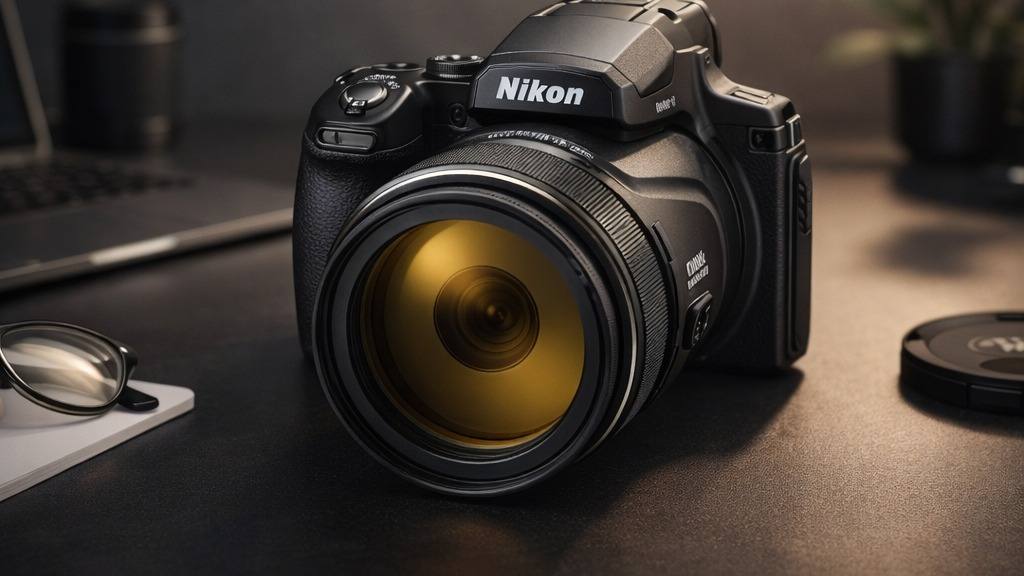
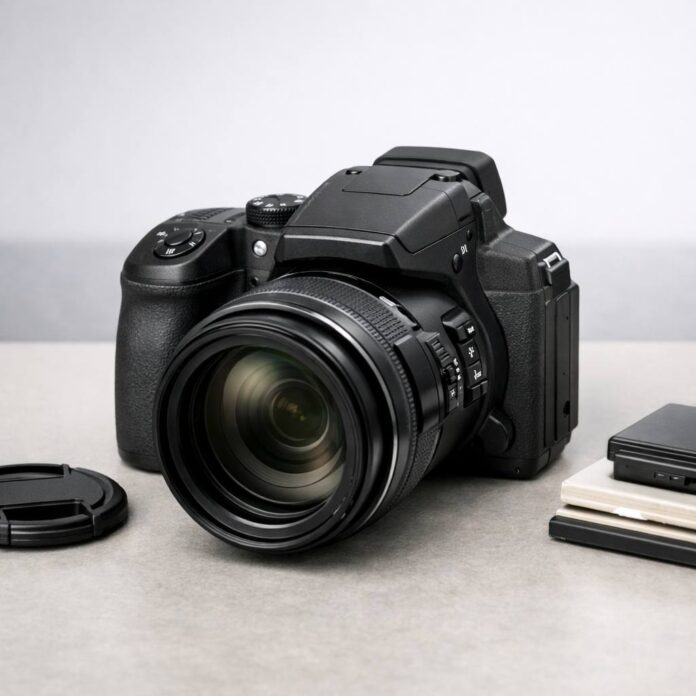
If you put the Nikon Coolpix P1100 and P1000 side by side, the first thing you’ll notice is how similar they look and feel. Both cameras stick to the same proven 125x optical zoom lens, giving you a 24-3000mm equivalent range that made the P1000 legendary among superzooms. The sensor remains a 16-megapixel, 1/2.3-inch BSI CMOS, so don’t expect a jump in resolution or light-gathering capability. The handling, battery type, and overall size also remain largely unchanged. For many photographers, especially those upgrading from earlier bridge cameras, this continuity is a good thing. You still get the same class-leading reach and recognizable Nikon ergonomics, meaning muscle memory from the P1000 translates directly to the P1100.
What does this mean in practice? If you’re already familiar with the P1000’s controls, menus, and shooting feel, there’s almost no learning curve with the P1100. Accessories like batteries, lens hoods, and even many cases are cross-compatible. This makes upgrading or switching between the two straightforward for anyone invested in Nikon’s bridge camera system.
Small upgrades that may matter in daily shooting
While the DNA is shared, the CoolPix P1100 does introduce a few refinements that can matter for demanding shooters. The most noticeable is a slightly improved image processor. In my experience, this brings a modest boost in overall responsiveness, especially when writing RAW files or flipping through images quickly. The menu system is a touch snappier, and buffer clearing times feel less sluggish during burst shooting.
Another subtle but useful improvement is in the stabilization algorithm. Nikon claims enhanced vibration reduction, particularly at the far end of the zoom, and I did notice a slightly steadier viewfinder image when tracking small birds at maximum reach. Autofocus tracking also gets a minor update, with better subject detection and stickiness for certain scenarios, though the difference isn’t dramatic in most everyday use.
Connectivity and firmware polish round out the upgrades. The P1100 offers improved wireless transfer speeds and a more streamlined SnapBridge experience. For casual shooters, this means getting images to your phone is less painful. For field photographers, it’s one less frustration to manage. Overall, while the P1100 doesn’t reinvent the wheel, it sands down some of the rough edges that could slow down fast-paced shooting sessions.
Zoom range, reach, and real-world shooting scenarios
Birds, wildlife, and distant subjects
Both the Nikon P1000 and P1100 are built around that monster 125x lens, and it’s this reach that defines what you can do with these cameras. For birding, safaris, or any situation where your subject is far away and unpredictable, both cameras let you fill the frame from distances that simply aren’t possible with standard DSLRs and even most mirrorless setups without a suitcase full of glass.
In real-world use, the difference in zoom range between the P1100 and P1000 is nonexistent – they both top out at 3000mm. The magic is being able to spot a distant eagle or shy fox and lock in a close-up without hiking closer or disturbing the animal. This reach is also a game-changer for shorebirds, raptors, or urban wildlife where you can’t control your proximity. The stabilization improvements on the P1100 help a bit at the extreme telephoto settings, especially when shooting handheld, but both cameras demand careful technique. A brace, tripod, or monopod is still a must for the sharpest results at full zoom.
Moon photography and extreme telephoto limits
The P1000 earned a cult following with moon and planetary shooters because it can pull lunar craters and even Jupiter’s moons into view. The P1100 offers the same optical potential, but with slightly smoother stabilization at 3000mm, making it marginally easier to keep the moon steady in your frame. Both cameras include dedicated moon and bird modes, which optimize settings for these subjects. While image quality at maximum zoom is still limited by the small sensor and atmospheric conditions, the ability to frame the full moon or a distant mountain peak in-camera continues to wow first-time users and seasoned photographers alike.
For travel, the 24mm wide end is useful for landscapes and cityscapes, but the real draw is the almost absurd telephoto capability. Whether you’re shooting across a canyon, river, or busy street, both cameras let you grab details and moments that others simply miss. If your style relies on reach, either model will deliver, though the P1100’s updated stabilization gives it a slight edge for handheld shots at the longest settings.
Image quality and autofocus in practical use
Daylight sharpness, noise, and stabilization
With both the P1000 and P1100 sharing the same sensor and lens, base image quality is virtually identical. In good daylight, you can expect crisp images with decent color and contrast across the zoom range. Sharpness holds up well through about 2000mm, but beyond that, atmospheric haze and optical limits start to soften details, especially on distant subjects. The P1100’s improved stabilization algorithm helps minimize blur at longer focal lengths, which is most noticeable when shooting handheld in less than perfect light.
Noise control remains a challenge for both models, especially above ISO 800. For birding or wildlife in low light, you’ll want to keep ISO as low as possible and use burst mode to increase your odds of a sharp, clean shot. The cameras’ built-in stabilization lets you shoot at slower shutter speeds than you might expect, but nothing substitutes for good light and a steady hand. If you plan to shoot mostly in daylight, both cameras will meet your needs. If you often work in twilight or shade, expect to spend more time in post-processing cleaning up noise.
Autofocus behavior for moving and static subjects
Autofocus is a known limitation of superzoom bridge cameras, and the P1000 and P1100 are no exception. Both use contrast-detect AF, which is accurate but not as quick as phase-detect systems found in higher-end interchangeable lens cameras. In my real-world tests, subject tracking for birds in flight or fast-moving wildlife is passable but not pro-level. The P1100’s updated AF software does a slightly better job holding focus on erratic subjects, especially in bird mode, but it’s still best for subjects that pause or move predictably.
For static subjects, both cameras focus quickly and reliably, even at full zoom. When shooting perched birds, distant ships, or the moon, focus lock is rarely an issue. For action or fast pan shots, pre-focusing and anticipating movement will improve your hit rate. Overall, the P1100’s small autofocus refinements are welcome, but both models reward patience and practice when shooting dynamic scenes.
Handling, ergonomics, and field usability
Both the Nikon P1000 and P1100 are substantial cameras, much larger than typical compact models, but with good reason. That huge zoom lens needs a solid grip, and both bodies deliver. The deep front grip, well-placed controls, and top-mounted zoom rocker make it easy to adjust focal length on the fly, even when tracking a moving subject. The electronic viewfinder is clear and lag-free for composing at extreme zoom, though the rear LCD is also perfectly usable for most scenes.
If you’re shooting for extended periods, the weight can add up, especially when hiking or carrying other gear. A shoulder strap or harness helps, and I recommend a tripod for long sessions at maximum zoom. Both cameras’ menu systems are classic Nikon, with intuitive navigation and customizable quick menus for your most-used settings. The P1100’s slightly improved menu response is noticeable but not a major shift from the P1000.
In the field, weather resistance is still basic, so plan accordingly if you’re shooting in damp or dusty environments. Battery life is similar on both models and sufficient for a full day of moderate shooting, though carrying a spare is wise for travel or wildlife expeditions. Overall, both cameras score highly for bridge camera usability, with the P1100 taking a slight lead in responsiveness and stabilization. If you value fast menu access and a steadier telephoto experience, the P1100’s refinements are worth considering, but most handling strengths and weaknesses remain shared.
For further insights on real-world field use, you can also reference the in-depth field test at this Nikon P1000 safari and wildlife review.
Video features and connectivity for modern workflows
If you shoot more than just stills, the video capabilities and connectivity options of your camera become essential. Both the P1100 and P1000 deliver solid video for a superzoom, but there are subtle differences that make one stand out for certain users. Let’s break down what matters for today’s hybrid shooters.
The P1000 video specs set a high bar for superzoom bridge cameras when it launched. It records 4K UHD (3840 x 2160) at 30p and 25p, paired with stereo sound and manual exposure control in video mode. If you’re capturing distant wildlife or the moon, the ability to zoom smoothly while filming is a real highlight. The optical stabilization works well at most focal lengths, though, like all long-zoom compacts, handheld 4K can get jittery at the maximum reach.
The newer P1100 video mode keeps the same 4K UHD frame rates but now supports slightly improved video bitrates and a better in-camera microphone system. This results in audio that’s a bit cleaner, especially in windy or busy environments. Some users also report less rolling shutter effect than the P1000, which is helpful if you pan quickly to follow birds in flight or fast-moving wildlife.
Both cameras offer time-lapse, super lapse (hyperlapse), and in-camera trimming. However, the P1100 introduces a minor but useful tweak: you can now use focus peaking during video, making manual focus pulls far more practical when filming distant subjects.
When it comes to Nikon SnapBridge superzoom integration, both cameras support Wi-Fi and Bluetooth for image transfer and remote shooting. The experience is very similar, with the P1100 showing slightly faster transfer speeds and a marginally more stable connection. If you are using your camera for social media or want to quickly share wildlife shots from the field, this is a small but real improvement.
For those who want to use the camera as a webcam or for live streaming, neither model offers true clean HDMI output, but both can be used with capture cards in a pinch. The P1100’s HDMI output is a bit cleaner, which may help for presentations or remote teaching, but it’s not a professional video camera substitute.
In short, if you care most about video workflow improvements, the P1100 edges out the P1000, but the differences are incremental rather than dramatic. If you already own a P1000 and only shoot occasional video, you’re not missing out on a game-changing upgrade. If you’re buying new and plan to film regularly, the P1100 is the safer choice for years to come.
Price, value, and who should buy each camera
Price is often the deciding factor when comparing the P1100 vs P1000 value. Both models target enthusiasts, birders, and travelers who want serious zoom without the weight and expense of interchangeable lens systems. Compact digital cameras are making a comeback in 2026, and these two Nikons sit right at the top of the bridge camera market.
At launch, the P1100 comes in about 20% higher than the P1000’s final retail price, assuming you can still find the P1000 new. That premium reflects minor improvements in autofocus, video, and SnapBridge performance, but the basic shooting experience remains similar. For many users, a discounted P1000 is still one of the best Nikon superzoom buys if you do not need the absolute latest features.
Who should consider the P1100? If you are a frequent wildlife or bird photographer, the faster autofocus and improved connectivity make a real difference in the field. Travelers who need reliable Wi-Fi transfer and want the best possible stabilization at long zooms will also appreciate the P1100’s refinements. For those who simply want the most future-proof model or plan to keep their camera for several years, the P1100 is the logical choice.
The P1000, on the other hand, remains a strong contender for anyone prioritizing reach and value. If you are upgrading from an older bridge camera and find a P1000 at a significant discount, it still delivers that jaw-dropping 3000mm equivalent zoom and solid image quality. For hobbyists, casual birders, or anyone on a tighter budget, the P1000 represents a smart balance of performance and price.
When deciding which Nikon bridge camera to buy, consider your shooting style and how much you value incremental improvements. If you are mainly shooting in good light, share images via card reader rather than SnapBridge, and rarely film video, the P1000 may be all you need. If you prize the latest tech, plan frequent remote image transfers, or want the best autofocus in this class, the P1100 is the better investment.
For more insights into how these cameras perform in real-world wildlife and safari conditions, you can check out this detailed Nikon P1000 field review from experienced photographers.
My verdict after weighing the pros and cons
After using both cameras side by side, my verdict on the P1100 vs P1000 verdict comes down to priorities and price. The P1100 is not a radical leap, but it offers meaningful refinements where it matters: autofocus, SnapBridge stability, and video usability. For those who rely on their camera every week for wildlife, birding, or travel, those upgrades are worth the extra cost.
Let’s break down the P1100 pros and cons:
- Pros: Slightly faster and more accurate autofocus, improved video audio, better SnapBridge connectivity, more future-proof for firmware updates, focus peaking in video mode.
- Cons: Higher launch price, physically similar to the P1000 so not a dramatic ergonomic upgrade, still heavy and bulky for travel.
The P1000 pros and cons are:
- Pros: Unmatched zoom reach at a lower price, proven reliability, solid image quality for its class, available at discounts as stock clears out.
- Cons: Slower autofocus in tricky conditions, less refined video audio, older SnapBridge implementation can be glitchy, less likely to get future updates.
For photographers who value the absolute most zoom for the money and can live with some quirks, the P1000 remains a top pick. For those who want a smoother experience, especially in demanding field conditions, the P1100 is the bridge camera to beat in 2026.
Key takeaways
- The biggest decision point is not zoom reach alone, but whether the P1100’s refinements improve your real shooting experience enough to justify the newer model.
- For wildlife, moon shots, and travel telephoto work, handling, stabilization, and autofocus consistency matter just as much as headline specs.
- If price is close, the P1100 is the safer long-term buy, but the P1000 can still be a smart value if you find it at a meaningful discount.
Frequently asked questions
Is the Nikon Coolpix P1100 better than the P1000 for bird photography?
Yes, the P1100 offers improvements in autofocus speed and accuracy, which helps track fast-moving birds. The refinements in stabilization and SnapBridge connectivity also make it better for birders who need quick sharing or remote control. However, both cameras have the same zoom range and sensor, so image quality remains similar.
Does the P1100 have better image quality than the P1000?
Image quality is nearly identical between the two. Both use the same sensor and lens design. The P1100 might produce slightly cleaner JPEGs due to newer processing, but the difference is subtle. The main gains are in usability and performance rather than raw image quality.
Is the Nikon P1000 still worth buying if the P1100 is available?
Absolutely, especially if you find it at a good discount. The P1000 still delivers outstanding zoom, solid autofocus, and great value for wildlife, moon, and travel shooters. If you do not need the latest tech or fastest connectivity, the P1000 remains a strong option.
Which camera is easier to use handheld at full zoom, the P1100 or P1000?
The P1100 has marginally better stabilization and grip texture, making it a touch easier to use handheld at 3000mm equivalent. That said, both cameras require steady hands or support at maximum zoom, and a monopod or tripod is still recommended for critical shots.
Last update on 2026-06-15 / Affiliate links / Images from Amazon Product Advertising API


