




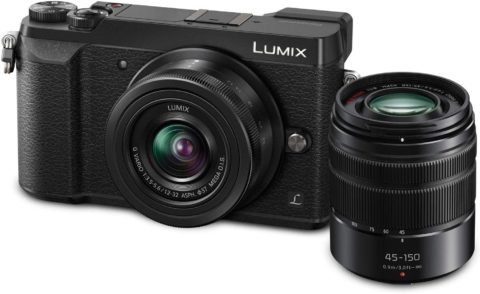
The Lumix GX80 continues to impress photographers in 2026, holding its place as a compact powerhouse for enthusiasts and seasoned shooters alike.
In this lumix gx80 review, you will find an expert-driven guide covering every aspect of the camera. I will walk you through its design and handling, image quality, performance, and video capabilities, while also sharing practical tips to help you get the most out of your GX80.
Whether you are considering your first mirrorless camera or looking to maximize your current kit, this guide offers real-world insights and clear recommendations. Let’s dive in and discover what makes the GX80 such a smart choice this year.
Contents
Lumix GX80 design and handling in 2026
Photographers in 2026 still find the Lumix GX80 a compelling package for everyday shooting. Its design, handling, and usability continue to impress, especially for those who value a lightweight camera that does not compromise on controls or reliability. In this part of the lumix gx80 review, I will share hands-on insights into what makes this mirrorless camera a favorite for enthusiasts and travelers.

Build quality and ergonomics
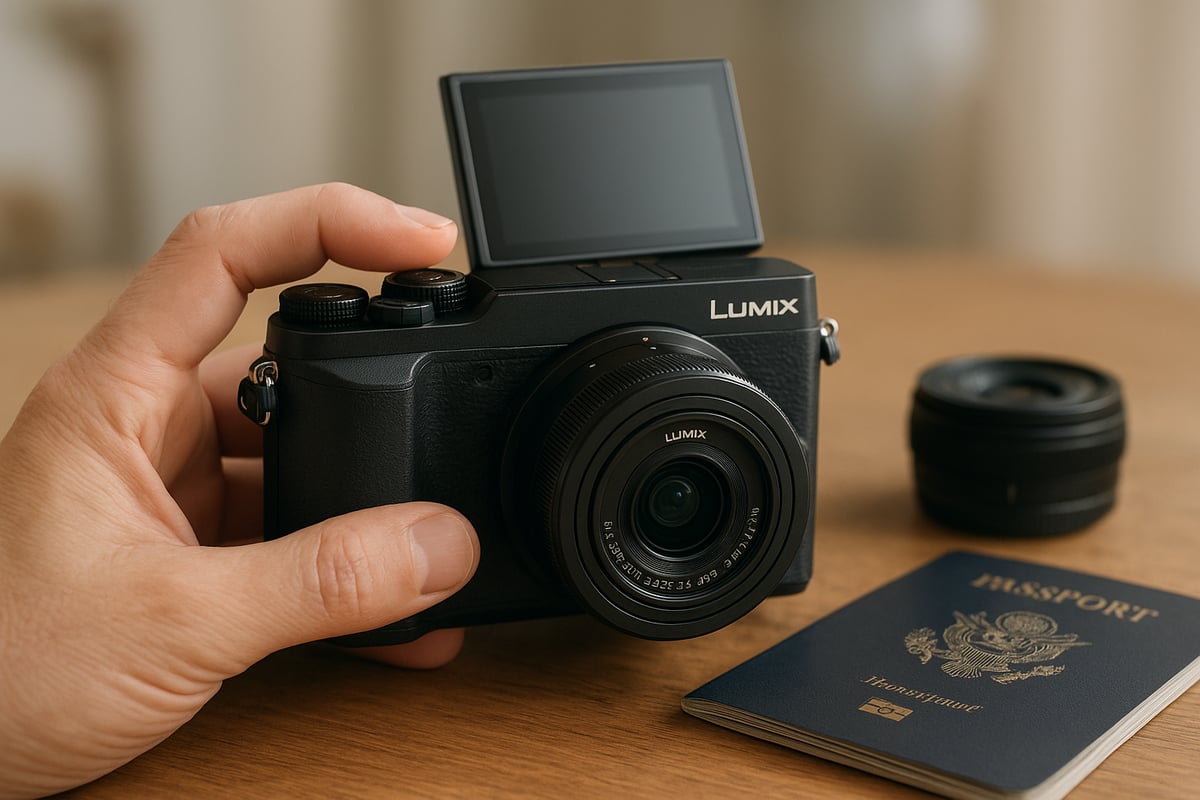
The magnesium alloy body gives the Lumix GX80 a solid, reassuring feel in hand. Despite its compact size, the grip is surprisingly comfortable, even during extended shoots. Compared to other mirrorless models in its class, the GX80 offers a sturdiness you can trust, whether you are on city streets or off the beaten path.
Controls are laid out intuitively, with dials and buttons falling easily under your fingers. The tactile feedback is excellent, making quick adjustments second nature. For travel photographers, durability is a real asset, and while the GX80 does not offer full weather sealing, it has proven resilient against dust and light splashes in my experience.
If you are considering your options, this lumix gx80 review shows how well it balances form and function. The build makes it a reliable choice for both everyday and adventure photography.
Viewfinder and LCD usability
The electronic viewfinder on the Lumix GX80 stands out for its clear, crisp display and fast refresh rate. This is especially noticeable when tracking moving subjects or shooting in challenging light. The tilting touchscreen LCD is a game changer for vlogging, waist-level street shots, or composing in tight spaces.
Outdoors, the screen remains usable even in bright sunlight, which is not always the case with compact cameras. Navigating menus is straightforward, and you can customize settings to fit your style. As part of this lumix gx80 review, I appreciate how the interface adapts to both beginners and experienced users.
Portability and everyday carry
One of the strongest points in any lumix gx80 review is its portability. Weighing just over 400 grams with a kit lens, the GX80 slips easily into a small shoulder bag or even a large coat pocket. This makes it perfect for travel, street, and family photography.
Pairing it with a compact pancake lens or a versatile zoom creates a kit that is both light and capable. If you are looking for a camera that will not weigh you down, the GX80 is an excellent choice. For more options tailored to travelers, check out the Best travel camera picks for a broader perspective.
Battery life and charging
Battery life on the Lumix GX80 remains decent for a compact mirrorless, typically lasting through a day of casual shooting or several hundred shots. In 2026, in-camera charging via USB is a welcome convenience, allowing you to top up power on the go with a portable charger.
For longer trips or intensive shoots, I recommend carrying a spare battery or two. Efficient power management settings, like eco mode and screen brightness adjustment, help stretch your shooting time. This lumix gx80 review finds that with a bit of planning, battery limitations rarely detract from the experience.
Connectivity and storage
The GX80’s built-in Wi-Fi makes remote shooting and instant sharing a breeze. Pairing with Panasonic’s app is straightforward, letting you transfer images to your phone or control the camera remotely for group shots or creative angles.
The SD card slot supports high-speed cards, ensuring quick write times for both JPEG and RAW bursts. For most users, a 64GB or 128GB card provides ample space. This lumix gx80 review highlights how seamless connectivity and efficient storage options keep your workflow smooth, whether you are shooting for fun or on assignment.
Image quality and sensor performance
For any photographer, image quality sits at the heart of a camera’s appeal. The Lumix GX80 has earned its place in many bags thanks to a sensor and processing pipeline that still hold their own in 2026. Let’s break down how its sensor, stabilization, output, and flexibility stack up for today’s shooters.
Micro Four Thirds sensor in 2026
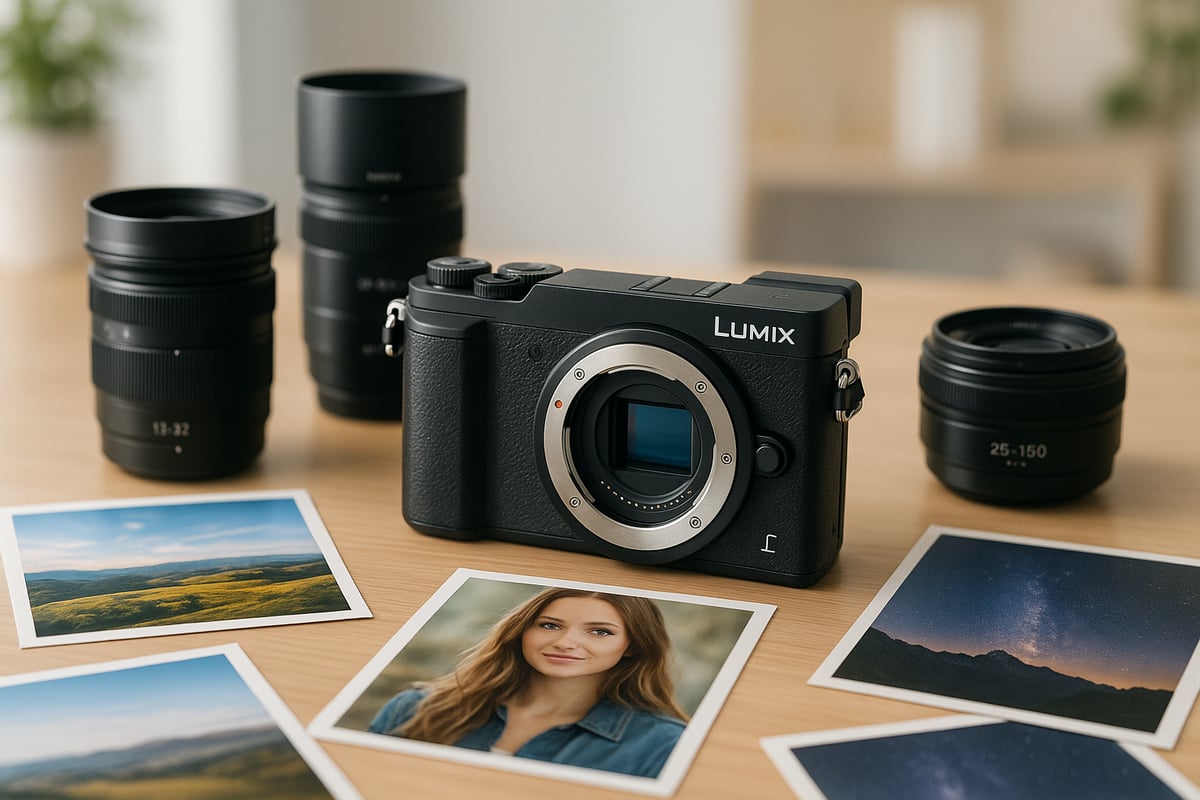
The 16MP Micro Four Thirds sensor inside the GX80 remains relevant, even as newer models chase higher resolutions. For most users, 16MP is more than enough for detailed prints and online sharing. According to the Panasonic Lumix GX80 sensor review, this sensor delivers solid dynamic range and color depth, especially in good light.
Low-light performance is respectable up to ISO 1600, with minimal color noise and decent shadow recovery. While newer sensors have pushed boundaries, the lumix gx80 review consistently highlights how this camera balances resolution, portability, and color fidelity for everyday photography.
In-body image stabilization (IBIS)
One of the GX80’s strongest features is its five-axis IBIS system. This technology makes handheld shooting a breeze, particularly for night scenes, telephoto work, or video. Many users in the lumix gx80 review community report getting sharp images at shutter speeds as slow as 1/4 second.
Compared to the latest stabilization systems, the GX80’s IBIS holds its own, smoothing out minor shakes and making it possible to leave the tripod at home for casual shoots. For travel and street photographers, that freedom is a game changer.
JPEG and RAW output analysis
The output quality from the GX80 is another highlight. JPEGs come out vibrant, with Panasonic’s color science favoring natural skin tones and punchy landscapes. RAW files offer impressive flexibility, holding up well in post-processing with plenty of detail and latitude for shadow and highlight recovery.
Photographers writing a lumix gx80 review often praise the camera’s in-camera processing options, including adjustable noise reduction and creative filters. Whether you prefer to edit heavily or get it right in-camera, the GX80 delivers results that stand up to scrutiny.
Lens compatibility and system flexibility
System flexibility is crucial for any enthusiast. The GX80 accepts the entire Micro Four Thirds lens lineup, giving users access to everything from ultra-wide primes to fast telephotos. Third-party options from Olympus, Sigma, and more expand the creative toolkit further.
In every lumix gx80 review, adaptability shines: legacy lenses can be mounted with adapters, and compact pancake lenses make the kit pocket-friendly. For travel, portraits, or macro, there’s a lens to match your vision.
Autofocus accuracy and speed
Despite relying on a contrast-detect autofocus system, the GX80’s AF performance is reliable in most situations. Face and eye detection work well for portraits, locking on quickly and accurately. In good light, tracking moving subjects such as children or pets is responsive enough for casual action shots.
Low-light AF can slow down, but for the majority of scenarios, the lumix gx80 review feedback is positive. Sports and wildlife shooters may want faster systems, but for everyday use, the GX80 rarely disappoints.
Real-world image samples and comparisons
Putting the GX80 through its paces across genres reveals its versatility. Landscapes retain crisp details and dynamic range, while portraits benefit from pleasing skin tones and background blur when paired with a fast lens. Action and low-light scenes show the limits of the sensor, but results remain competitive with similarly priced models.
Community-driven lumix gx80 review galleries abound online, showcasing impressive work from real users. Side-by-side, the GX80 still stands tall among recent compact mirrorless cameras.
Performance and usability for photographers
Photographers demand more than just specs on paper. Day-to-day shooting with the Lumix GX80 reveals its true strengths and quirks, especially in 2026. This section dives into real-world performance, from startup speed to customization, buffer handling, and reliability. Whether you shoot travel, events, or family moments, understanding these aspects is key to making the most of your camera.
Startup time and responsiveness
The Lumix GX80 review often highlights how crucial fast startup and minimal lag are for capturing fleeting moments. Powering on the GX80, you can expect a near-instant response, with the camera ready to shoot in just over a second. This speed is competitive even in 2026, letting you react to spontaneous scenes without frustration.
Menu navigation and image playback are equally responsive. There is no noticeable delay when scrolling through photos or adjusting settings. The touchscreen adds a layer of immediacy, making quick changes effortless. For street photographers or parents with active kids, these split seconds matter.
In summary, the camera’s nimble performance ensures you rarely miss a shot.
Continuous shooting and buffer depth
When it comes to action, the Lumix GX80 review consistently mentions its burst shooting abilities. The camera offers up to 8 frames per second in single AF and 5 fps with continuous AF, making it suitable for sports, wildlife, or busy events. However, buffer depth is a consideration—shooting RAW files fills the buffer after roughly 15 frames, while JPEG allows for longer bursts.
Here is a quick comparison table:
| File Type | Max Burst Rate | Buffer Limit |
|---|---|---|
| JPEG | 8 fps | ~100+ frames |
| RAW | 8 fps | ~15 frames |
While not limitless, this performance covers most real-world scenarios. For extended action sequences, timing and anticipation are your best friends.
Customization and user interface
A standout in any Lumix GX80 review is the camera’s deep customization. With multiple assignable function buttons, a quick menu, and a fully touch-enabled interface, tailoring the GX80 to your style is straightforward. Photographers can assign ISO, white balance, or focus modes to physical buttons for fast access.
Touchscreen shortcuts streamline workflow, especially for settings you adjust frequently. User profiles and memory recall options mean you can switch between genres—like street, landscape, or portrait—without missing a beat.
This level of control encourages experimentation and efficiency, making the shooting experience both enjoyable and productive.
Reliability for travel and events
Reliability is essential for any camera you plan to take on the road. In the Lumix GX80 review landscape, users praise its performance in challenging environments. The camera copes well with heat, cold, and humidity, while the dust reduction system helps keep the sensor clean during long trips.
Durability reports from the field remain positive, with the magnesium alloy body resisting knocks and daily wear. Sensor maintenance is straightforward, and most issues can be resolved with simple cleaning or firmware updates.
For travelers and event shooters, this peace of mind ensures you can focus on capturing memories, not worrying about your gear.
Expert resources for camera enthusiasts
For those seeking to deepen their knowledge beyond this Lumix GX80 review, Lens and Shutter is a top resource. Their expert guides cover camera settings, lens choices, and troubleshooting – all updated for 2026. Whether you are just starting or looking for advanced tips, their free resources help you get the most from your GX80.

If you are comparing models or want to see how the GX80 stacks up in its price class, their Best mirrorless cameras under $1000 guide offers valuable insights.
Relying on trusted advice helps you grow as a photographer and extend the life of your gear.
Video features and creative tools
When considering video capabilities, the Lumix GX80 is a camera that stands out in this class, even in 2026. Its feature set still caters to both beginner content creators and more experienced filmmakers looking for a reliable compact system. In this section, I will break down what you can expect when shooting video with the GX80, share practical insights, and offer tips for maximizing your results.
4K video recording capabilities
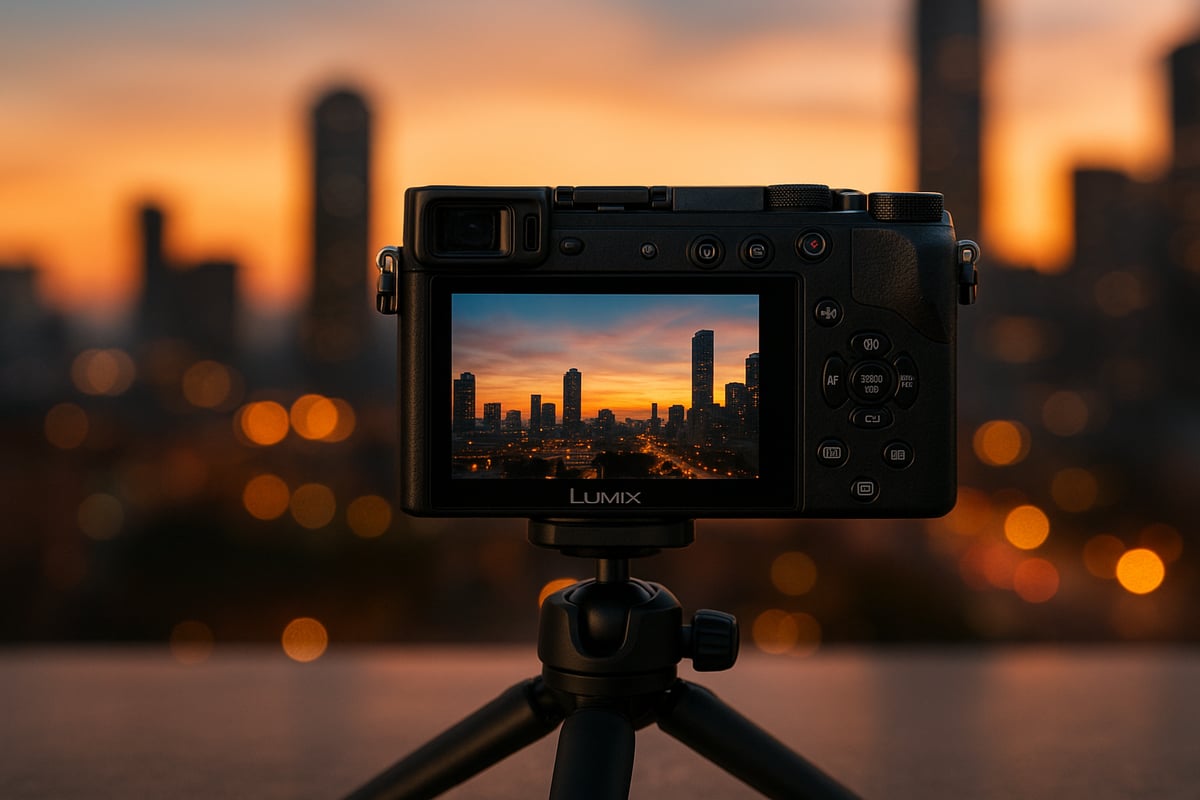
The Lumix GX80 review often highlights its robust 4K video features, which remain impressive for a camera of its era. You get 4K UHD (3840×2160) at 30p and 24p, with bitrates up to 100Mbps and efficient MP4 codecs for easy editing. While the Micro Four Thirds sensor introduces a slight crop in 4K, you still enjoy a wide field of view with most lenses. Recording times are generous, and the GX80 manages heat well, so you rarely have to worry about overheating in long sessions. For a deeper dive into these specs and real world performance, I recommend reading the Panasonic Lumix GX80 review.
Video autofocus and manual controls
A key point in any lumix gx80 review is the autofocus performance in video mode. The camera uses contrast detect AF, which provides smooth and accurate focus transitions in most situations. For vloggers and filmmakers, face and eye detection work reliably, though fast moving subjects may challenge the system. Manual focus is a pleasure thanks to focus peaking and magnification, making precision pulling easy. Exposure adjustments are accessible in video mode, and you have basic audio controls to tweak sound levels on the fly. This balance of automatic and manual options makes the GX80 versatile for both guided and creative shooting.
Creative shooting modes and filters
One of the highlights in my lumix gx80 review is the suite of creative tools Panasonic has packed in. The 4K Photo mode lets you extract high resolution stills from video bursts, perfect for action or fleeting moments. Time lapse and stop motion animation are built in, and both are intuitive to use for storytelling or creative experimentation. In camera art filters, such as monochrome and vivid, give you quick ways to stylize footage without time consuming post processing. These features encourage experimentation, making the GX80 a fun companion for any creative project.
Audio input and output options
Sound is a crucial part of any lumix gx80 review focused on video. The built in stereo microphones deliver clear audio for most casual projects, but discerning creators may want more. Unfortunately, the GX80 lacks a dedicated mic input, so you are limited to onboard audio or external recorders for higher quality sound. To improve results, shoot in quieter environments or use a portable recorder and sync audio in post. For interviews or vlogging, keeping the camera close to your subject and monitoring levels carefully will help ensure your footage matches your vision.
Practical video shooting tips
To get the most from your lumix gx80 review shooting experience, start with the right settings. Use 4K 24p for a cinematic look, and set the picture profile to Natural for balanced color. The in body stabilization is a lifesaver for handheld shots, but a mini tripod adds extra smoothness for static scenes. For editing, MP4 files are easy to work with in all major software. Remember to use manual focus and lock exposure in tricky lighting for consistent, professional results. With a bit of planning, the GX80 delivers video quality that still holds up in 2026.
Maximizing your Lumix GX80: Practical tips and 2026 recommendations
Getting the most out of the Lumix GX80 in 2026 involves more than just knowing your camera’s specs. As someone who has spent years in the field, I have gathered practical insights to help you unlock the full potential of your camera. In this section of the lumix gx80 review, I’ll share actionable tips, essential accessories, and honest advice for both new and experienced users.
Essential setup steps for new users
Start by thoroughly updating to the latest firmware for your Lumix GX80, as Panasonic continues to release optimizations that improve performance and compatibility. Take time to customize the menus and assign function buttons to your most-used features. This streamlines your workflow and saves valuable seconds when capturing spontaneous moments.
Setting up Wi-Fi and remote control options is straightforward with the Panasonic Image App. This allows you to control your camera remotely or transfer images directly to your smartphone. For anyone diving into their first lumix gx80 review, these initial steps lay a strong foundation for a smooth shooting experience.
Recommended accessories and upgrades
Building the right kit around your Lumix GX80 elevates every shoot. Invest in a fast prime lens, such as a 25mm f/1.7, for low-light portraits and creative depth of field. For travel, a compact zoom like the 12-32mm keeps your setup lightweight without sacrificing versatility.
Other must-haves include an extra battery, a sturdy yet small tripod, and a protective case. If you shoot video or vlogs, consider a compact external microphone for improved audio quality. As any thorough lumix gx80 review will show, the right accessories can transform your results and keep you prepared for any scenario.
Tips for different photography genres
Portrait photographers will appreciate the camera’s reliable face detection and ability to pair with bright lenses for smooth background blur. For landscapes, use a tripod and bracket your exposures to maximize dynamic range. Street photographers benefit from the silent shutter and compact lens options, staying discreet and agile.
If you want to compare the GX80’s landscape performance with other cameras, check out the 10 best cameras for landscape photography. Each genre has its nuances, but the lumix gx80 review proves it can adapt with the right settings and approach.
Advanced shooting techniques
Experimenting with long exposure and night photography reveals the strengths of the GX80’s in-body image stabilization. Use a sturdy tripod, keep ISO low, and try manual mode for creative control. Focus stacking is another powerful tool for macro or landscape scenes, blending multiple shots for greater depth.
HDR shooting is accessible through the camera menu, providing vibrant images in challenging lighting. The lumix gx80 review stands out for its flexibility in advanced techniques, rewarding those willing to push its limits.
Maintenance and longevity in 2026
Keeping your camera in top shape is essential. Regularly clean the sensor using a blower and a proper sensor swab. Wipe down the body and lens mounts with a microfiber cloth after each outing. Check for firmware updates every few months, as even older models like the GX80 receive occasional improvements.
If you encounter issues, consult the official Panasonic support or active online communities. A well-maintained camera, as highlighted in any honest lumix gx80 review, will serve you reliably for years to come.
Community insights and user experiences
The photography community in 2026 continues to share valuable feedback on the Lumix GX80. Many users praise its compactness and image quality, especially for travel and street photography. Some critiques mention the contrast-detect autofocus being slower compared to the latest models, but most agree it’s still dependable in real-world use.
Notable projects shot with the GX80 include urban exploration, family photo essays, and travel blogs. If you read through community posts or sample galleries, the lumix gx80 review consensus remains positive, especially for enthusiasts seeking a balance of portability and performance.
Is the Lumix GX80 still worth it in 2026?
With newer models constantly entering the market, it’s natural to question the value of the GX80. For photographers who prioritize compactness, solid image quality, and access to a wide range of Micro Four Thirds lenses, the lumix gx80 review shows it remains a compelling choice.
It is especially suited for beginners or travelers who want a no-fuss, reliable camera. The resale value holds steady due to its reputation, and used models are widely available, making it a smart investment for many.
Future-proofing your investment
To keep your GX80 relevant, stay updated with firmware releases and explore new lens options as they become available. The Micro Four Thirds ecosystem remains vibrant in 2026, ensuring compatibility with both legacy and modern accessories.
Expand your skills by following expert resources and engaging with online communities. As you continue to grow, the lumix gx80 review demonstrates that this camera still has much to offer, provided you adapt and invest in your craft.
Last update on 2026-03-30 / Affiliate links / Images from Amazon Product Advertising API


