



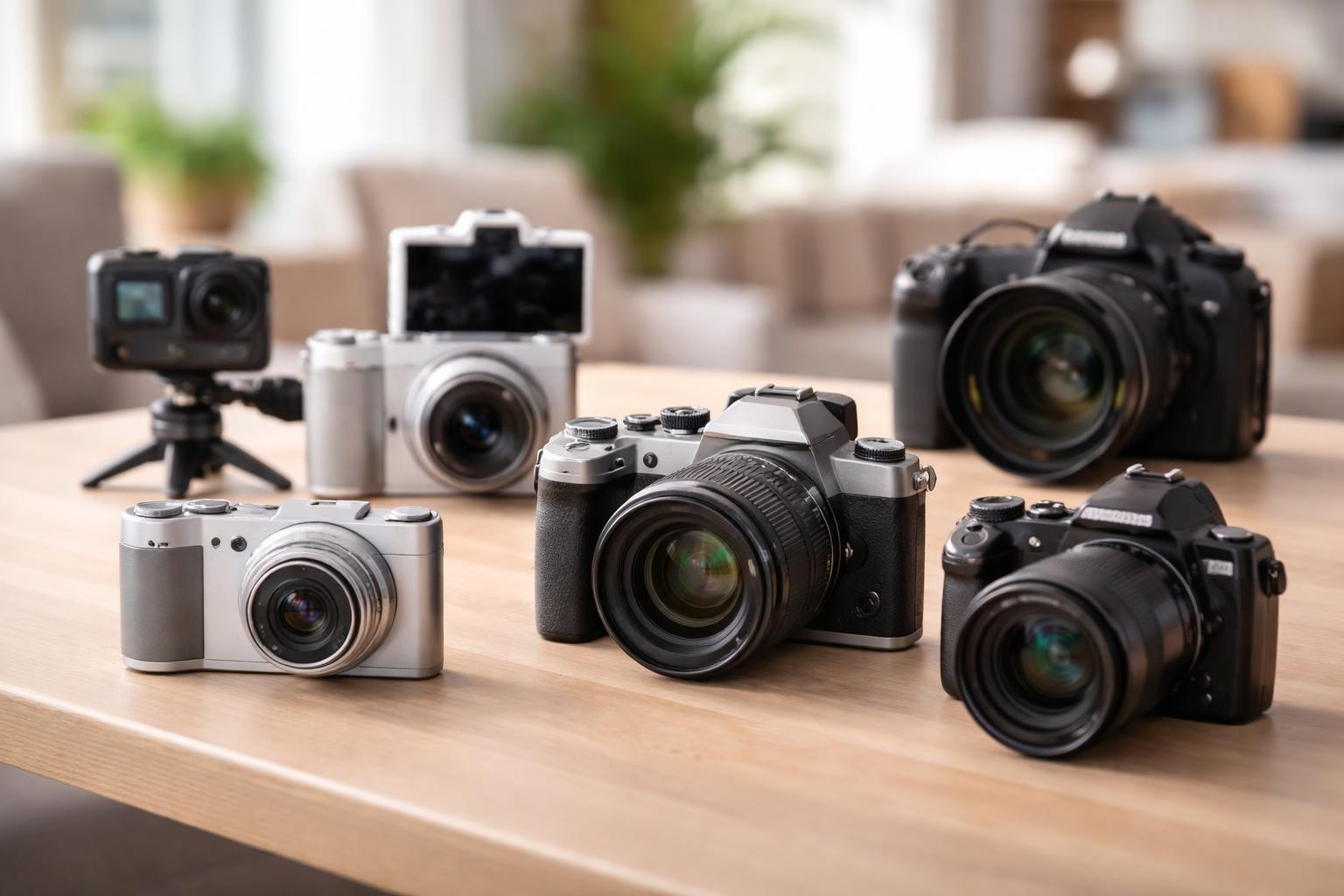
The photography landscape has shifted dramatically over the past few years, and the latest digital cameras reflect changes that many of us didn’t anticipate. While smartphone cameras continue improving, dedicated camera manufacturers have responded with innovations that genuinely matter to photographers who care about image quality, control, and creative possibilities. What strikes me most about the current camera market is how manufacturers have finally started listening to what photographers actually need rather than just adding features for specification sheets. Whether you’re stepping up from a smartphone or replacing aging gear, understanding what makes today’s cameras different requires looking beyond megapixel counts and frame rates.
Contents
- Understanding the current camera landscape
- Compact cameras are experiencing a genuine comeback
- Autofocus systems have become remarkably intelligent
- Medium format is becoming more accessible
- Video capabilities blur the line between cameras and cinema
- Connectivity and workflow integration
- Battery life and power management
- Image stabilization has reached new levels
- The used camera market offers exceptional value
- Emerging technologies worth watching
- Making the right choice for your photography
- The importance of historical perspective
- Regional market differences reveal preferences
- Testing before buying remains essential
Understanding the current camera landscape
The camera industry in 2026 looks nothing like it did five years ago. Mirrorless technology has completely overtaken traditional DSLRs in innovation and sales, with compact cameras outselling DSLRs nearly 5 to 1 according to recent CIPA data. This shift tells us something important about where the industry is heading and what photographers actually want.
The mirrorless revolution is complete
Every major manufacturer has now committed their primary development resources to mirrorless camera systems. The advantages are clear when you spend time shooting with these cameras. Electronic viewfinders now refresh fast enough that even sports photographers have made the switch. The ability to see your exposure before taking the shot eliminates the guesswork that plagued optical viewfinders.
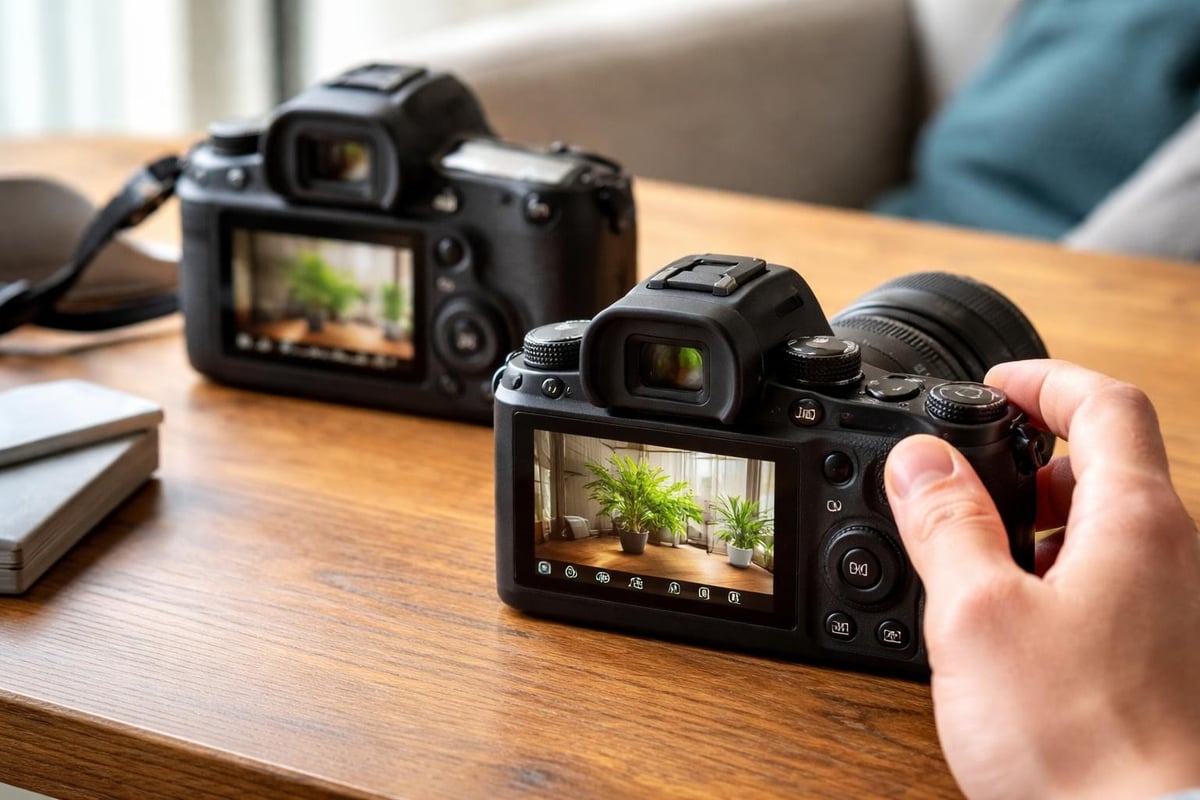
What really matters is how these cameras handle in real shooting situations. Battery life has improved significantly, addressing one of the main complaints from earlier mirrorless generations. Modern mirrorless bodies can shoot 700 to 900 frames per charge, making them practical for all-day events and travel photography.


Sensor technology has plateaued in meaningful ways
We’ve reached a point where more megapixels don’t necessarily translate to better photographs. The latest digital cameras from major manufacturers hover around similar resolution ranges because they’ve optimized for what actually improves images: dynamic range, low-light performance, and color accuracy.
| Sensor Type | Typical Resolution | Best Use Case | Key Advantage |
|---|---|---|---|
| Full Frame | 24-45MP | Professional work, low light | Dynamic range |
| APS-C | 24-32MP | Travel, everyday shooting | Size and weight |
| Medium Format | 50-102MP | Studio, landscape | Ultimate detail |
| Micro Four Thirds | 20-25MP | Wildlife, portability | Reach with smaller lenses |
The differences between sensors matter more for your workflow than image quality. A 24-megapixel full-frame sensor produces stunning images that can be printed at enormous sizes. The extra resolution of higher megapixel counts primarily benefits photographers who need to crop extensively or create billboard-sized prints.
Compact cameras are experiencing a genuine comeback
Something unexpected has happened in the compact camera market. After years of decline, these cameras have found new life, and not just as nostalgia pieces. The resurgence reflects real advantages that smartphones still cannot match, particularly for photographers who understand exposure and composition.
Premium compacts offer compelling alternatives
Sony recently revived its full-frame premium compact camera line with the RX1R III after a decade-long hiatus. This tells us that manufacturers see genuine demand for pocketable cameras with large sensors. The ability to carry a full-frame sensor in a jacket pocket changes how you approach street and travel photography.
What makes premium compacts interesting right now:
- Fixed lenses optimized for specific sensors deliver sharpness that zoom lenses struggle to match
- Physical controls provide direct access to settings without diving into menus
- Larger sensors than any smartphone, with better noise performance and shallower depth of field
- No lens changing means no sensor dust and faster operation in dynamic situations
Budget-friendly options have also improved dramatically. Yashica recently introduced a new compact camera priced around 100 dollars that includes features like 4K video and a swiveling LCD screen, making capable cameras accessible to photographers just starting out.
The appeal of dedicated hardware
Using a dedicated camera changes your relationship with photography. When you pick up a camera rather than a phone, you’re making a conscious decision to focus on image-making. This might sound abstract, but it affects the photographs you create.
The Canon PowerShot Elph 360 HS, despite being released a few years ago, has gained renewed popularity because it offers this focused shooting experience without overwhelming complexity. Sometimes the latest digital cameras aren’t necessarily the newest models but rather proven designs that match how people actually want to photograph.
Autofocus systems have become remarkably intelligent
Modern autofocus represents one of the most significant advancements in recent camera development. AI-powered subject recognition has transformed what cameras can track and how reliably they maintain focus on moving subjects.
Subject recognition that actually works
The latest digital cameras can identify and track specific subjects with accuracy that seemed impossible just three years ago. Birds in flight, moving vehicles, athletes in action, and even specific people in crowds can be locked and tracked across the frame. This technology doesn’t just help wildlife and sports photographers.
For portrait work, eye detection has become so reliable that you can trust the camera to nail focus while you concentrate on connection and composition. Some systems now recognize and prioritize eyes through sunglasses or when subjects are partially obscured. Animal eye detection works across species, from house cats to elephants.
Key improvements in modern autofocus:
- Predictive tracking that anticipates subject movement
- Subject recognition for people, animals, vehicles, and birds
- Low-light capability down to -7 or -8 EV in some cameras
- Face registration that prioritizes specific individuals
- Zone-specific tracking that keeps subjects in designated areas
Video autofocus has finally caught up
If you shoot any video, current autofocus systems remove the need for manual focus pulling in most situations. Smooth transitions between subjects, reliable tracking during camera movement, and the ability to specify focus targets through touch screens make video work significantly more accessible. For photographers exploring action camera alternatives, these autofocus improvements extend across camera types and sizes.

Medium format is becoming more accessible
Medium format cameras have traditionally been reserved for studio photographers and landscape specialists with substantial budgets. The latest digital cameras in this category have changed that equation somewhat, though they still represent a significant investment.
Who actually benefits from medium format
The Fujifilm GFX100S II exemplifies the current medium format approach. With a 102-megapixel sensor and improved autofocus, it delivers medium format image quality in a body that handles more like a full-frame camera. The images from these sensors have a quality that’s difficult to describe but immediately visible.
Medium format makes sense when:
- You’re shooting commercial work where clients expect maximum resolution
- Landscape photography is your primary focus and you regularly print large
- Studio portraiture benefits from the unique rendering and depth
- You’ve already maximized what you can do with full-frame systems
For most photographers, full-frame sensors provide more than enough resolution and image quality. The difference between 45 megapixels and 102 megapixels matters less than lens quality, lighting, and composition. Medium format is specialized equipment for specialized needs.
Video capabilities blur the line between cameras and cinema
Nearly every camera released in the past two years includes serious video features. What constitutes adequate video specs has shifted dramatically, with 4K recording now considered baseline and 8K appearing in mid-range models.
What video specs actually matter
Resolution gets the attention, but frame rate options and color depth matter more for serious video work. Internal 10-bit recording preserves color information for grading. High frame rates enable smooth slow-motion footage. Professional codecs reduce file sizes while maintaining quality.
| Video Feature | Practical Benefit | Who Needs It |
|---|---|---|
| 4K 60fps | Smooth motion, slow-mo options | General video work |
| 10-bit color | Better grading latitude | Color-critical projects |
| Log profiles | Maximum dynamic range | Professional production |
| Internal recording | No external recorder needed | Run-and-gun shooting |
| Unlimited recording | Long events, interviews | Documentary, event coverage |
The latest digital cameras often include video features that exceed what most photographers will ever use. Understanding which features actually benefit your work prevents paying for capabilities you don’t need.
Overheating has largely been solved
Early mirrorless cameras with 4K video suffered from overheating that limited recording times. Current models have addressed this through better heat dissipation and more efficient processors. Many cameras now record continuously without time limits, making them viable for long interviews, events, and streaming applications.
Connectivity and workflow integration
Modern cameras need to fit into digital workflows that extend beyond the camera itself. The latest digital cameras include connectivity options that streamline getting images from camera to computer to client or social media.
Wireless transfer finally works properly
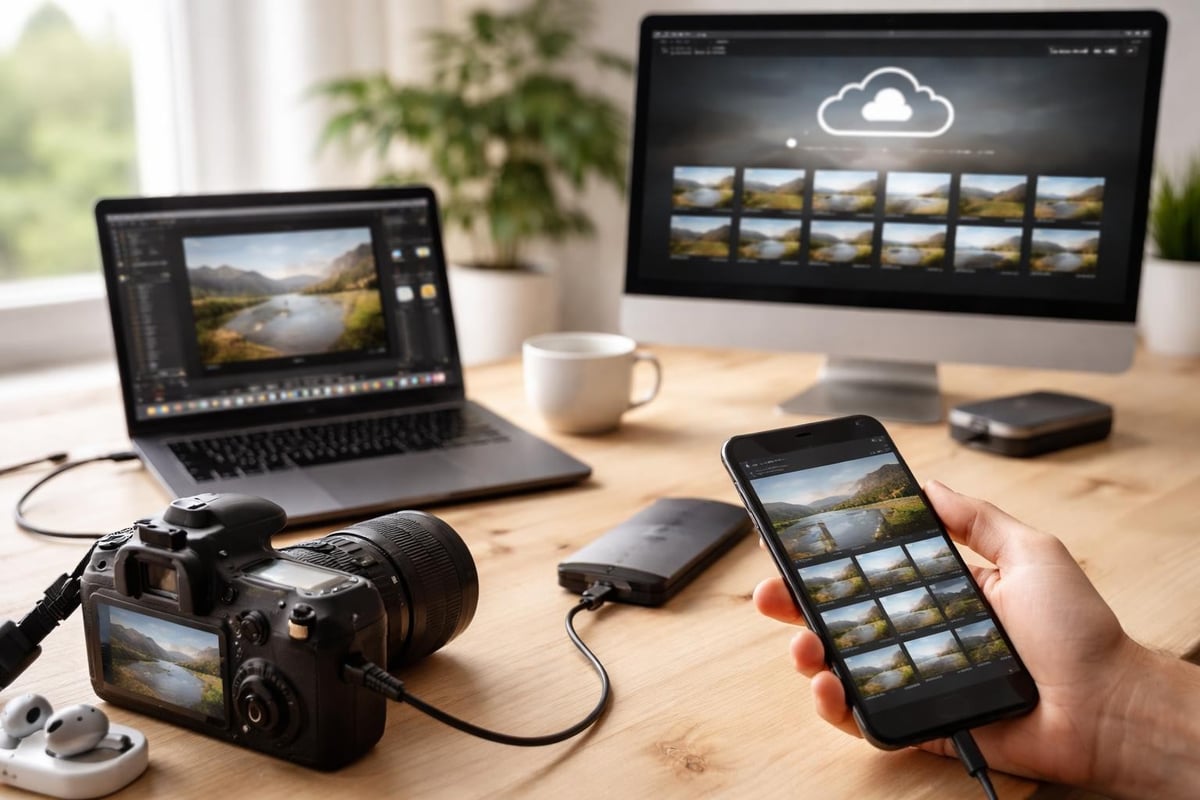
Built-in WiFi and Bluetooth have become standard, but more importantly, they now function reliably. Transferring images to smartphones for quick editing and sharing no longer requires frustrating apps and connection failures. Many cameras automatically sync JPEGs to your phone while shooting, making it easy to share work-in-progress shots with clients or post to social media.
Cloud-based workflows are emerging where cameras can upload images directly to cloud storage when connected to WiFi. This creates automatic backups and allows remote teams to access images without physical card handling.
USB-C charging and power delivery
The shift to USB-C for charging and data transfer might seem minor but significantly impacts how cameras integrate into modern tech ecosystems. You can charge your camera with the same battery pack that charges your phone and laptop. Power delivery standards allow some cameras to run indefinitely on external power, useful for studio work and streaming.
Battery life and power management
Battery performance determines whether a camera can actually handle the shooting you do. The latest digital cameras have made significant strides in power efficiency, though individual results vary widely based on shooting style and feature usage.
Real-world battery performance
Manufacturers quote battery life under standardized testing conditions that rarely match actual shooting. A camera rated for 600 shots might deliver 400 frames when you’re reviewing images frequently, using the EVF extensively, or shooting in cold weather. Understanding your actual needs prevents getting caught without power.
Factors that significantly impact battery life:
- Electronic viewfinder usage versus rear screen
- Temperature (cold weather dramatically reduces capacity)
- Continuous shooting versus single frames
- Video recording versus stills
- WiFi and Bluetooth connectivity
- Image stabilization activation
Carrying spare batteries remains essential for serious shooting. The advantage of newer cameras is that their batteries last long enough that two or three batteries handle a full day of intensive shooting, where older models might require five or six.
Power management features
Better power management systems allow cameras to wake instantly from sleep mode while conserving battery between shots. This balances responsiveness with battery conservation. Some cameras now include power-saving modes that disable specific features to extend battery life when needed.
Image stabilization has reached new levels
In-body image stabilization has become expected in new camera releases, and the latest systems deliver performance that changes what’s possible with handheld shooting. Eight stops of stabilization, as claimed by some manufacturers, allows sharp images at shutter speeds that would have required tripods just a few years ago.
How much stabilization do you actually need
The practical benefit of advanced stabilization depends entirely on what you shoot. For landscape photographers who typically use tripods, in-body stabilization matters less than for event photographers working in low light. Video shooters benefit tremendously from stabilization, particularly when combined with stabilized lenses.
Stabilization works best within certain parameters. It cannot freeze subject motion, only compensate for camera shake. This means it helps with slower shutter speeds but doesn’t replace fast shutter speeds for moving subjects. Understanding this distinction prevents disappointment when stabilization doesn’t deliver the results you expected.
The used camera market offers exceptional value
With the rapid pace of camera releases, the used market has never been better for photographers looking to maximize value. Cameras from 2020 to 2022 deliver image quality that’s nearly indistinguishable from current models for most purposes, but they sell for 40 to 60 percent less than their original prices.
What to look for in used cameras
Previous-generation flagship models often outperform current mid-range options while selling for similar prices. A three-year-old professional body typically offers better build quality, weather sealing, and controls than a new entry-level camera, even if some specifications are lower on paper.
Shutter count matters less than you might think for mirrorless cameras, which have fewer mechanical parts than DSLRs. Electronic shutters in many cameras enable completely silent shooting with zero mechanical wear. A mirrorless camera with 50,000 actuations likely has many years of reliable use remaining.
Emerging technologies worth watching
Several technologies currently appearing in high-end cameras will likely filter down to mainstream models over the next few years. Understanding what’s coming helps make informed decisions about when to upgrade.
Computational photography beyond smartphones
Cameras are beginning to incorporate computational techniques that smartphones pioneered. Multi-shot noise reduction, focus stacking, and HDR merging are moving from post-processing software into camera firmware. Research into ultra-high-speed imaging technology suggests future cameras might capture images 1,000 times faster than current systems, opening possibilities for new types of photography.
Computational features appearing in latest cameras:
- In-camera focus stacking for macro and landscape work
- Automatic HDR merging for high-contrast scenes
- Multi-shot high-resolution modes that increase effective resolution
- AI-based noise reduction superior to traditional algorithms
- Automated sky replacement and other editing functions
Global shutters eliminate rolling shutter
High-end cameras are introducing global shutter sensors that eliminate rolling shutter distortion. This technology, previously limited to specialized industrial cameras, allows capturing fast-moving subjects without the skewing and wobbling effects that plague CMOS sensors. As costs decrease, global shutters will become standard features.
Making the right choice for your photography
The abundance of excellent options in the current camera market makes choosing difficult. The latest digital cameras span enormous price ranges and capability levels, all delivering image quality that exceeds what most photographers need technically.
Match the camera to your actual shooting
The best camera is the one that matches how you actually photograph, not the one with the most impressive specifications. A lighter camera that you carry everywhere produces more meaningful photographs than a heavier, more capable camera that stays home. Weather sealing matters tremendously if you shoot outdoors in varied conditions but adds nothing for studio photographers.
Consider these questions before buying:
- What subjects do you photograph most frequently?
- How often do you shoot in challenging light?
- Do you need professional-level durability and weather sealing?
- How important is portability versus maximum image quality?
- Will you primarily use the camera for stills or video?
If you’re working within a limited budget, our guide to the best cameras under 700 dollars provides detailed recommendations that balance image quality with affordability. Sometimes the smartest choice is investing in excellent lenses rather than the most expensive camera body.
Consider the system, not just the body
A camera body represents only part of the investment. Lens selection, accessory availability, and future upgrade paths matter just as much. Some manufacturers offer extensive lens lineups with options from budget to professional, while others have gaps in their ranges.
Third-party lens support varies by camera mount. Popular systems like Sony E-mount and Canon RF-mount have excellent third-party options from manufacturers like Sigma and Tamron, potentially saving thousands of dollars over native lenses with minimal quality compromise.
The importance of historical perspective
Understanding how digital cameras evolved from the pioneering work at companies like Kodak and Casio provides context for current innovations. What seemed revolutionary five years ago is now baseline functionality. This progression will continue, which means the latest digital cameras you buy today will eventually be superseded.
The question isn’t whether better cameras will arrive, but whether current cameras can deliver the images you need. For most photography, the answer is absolutely yes. Technical quality has reached a point where creative vision and technical skill matter far more than equipment specifications.
Regional market differences reveal preferences
Camera sales patterns vary significantly by region, revealing different priorities among photographers. Data showing APS-C cameras outselling full-frame models in Japan demonstrates that smaller, lighter cameras appeal strongly even in a market with high purchasing power.
This suggests that the industry’s push toward larger, more expensive full-frame cameras doesn’t align with what many photographers actually want. Compact, capable cameras with excellent image quality often serve real-world needs better than flagship models with every possible feature.
The value proposition shifts
As camera bodies have become more capable, the value proposition has shifted from pure image quality to overall shooting experience. Cameras that handle well, respond quickly, and integrate smoothly into workflows provide more practical value than marginal improvements in technical specifications.
The latest digital cameras from 2024 and 2025 often represent better value than brand-new 2026 releases because prices drop significantly after the initial release period. A six-month-old camera delivers 95 percent of the capability at 70 percent of the cost.
Testing before buying remains essential
Specifications and reviews provide valuable information, but nothing replaces actually holding and shooting with a camera. Ergonomics and control layout profoundly affect whether you enjoy using a camera, which ultimately determines whether you carry it and create photographs.
Rent cameras before major purchases when possible. A weekend shooting with a camera reveals whether it matches your style far better than any review can convey. Pay attention to how controls fall under your fingers, whether menus make sense to you, and whether the camera inspires you to photograph.
Some cameras feel immediately comfortable, like extensions of your vision. Others require constant thought about settings and operation. Neither is objectively better, but one will be better for you specifically.
The latest digital cameras available in 2026 offer capabilities that exceed what most photographers will fully utilize, but they also provide creative tools that expand what’s possible. Whether you’re investing in your first serious camera or upgrading from older equipment, focus on how the camera supports your vision rather than chasing specifications. Lens and Shutter provides comprehensive reviews and expert guidance to help you navigate the current camera landscape, with detailed comparisons and real-world testing that reveals how cameras actually perform beyond the specification sheet.