



The world of photography is changing fast, and the latest cameras with good zoom are opening up creative possibilities we could only dream of a few years ago. Whether you are capturing wildlife on a safari, freezing the action at a sports event, or bringing distant cityscapes to life, the right camera can make all the difference. This guide will walk you through the seven essential zoom features you need to know for 2026, so you can choose a camera that matches your passion and helps you unlock your full photographic potential.
Contents
Why zoom matters in modern photography
Zoom has radically changed the way we capture the world. The ability to reach distant subjects, frame unique perspectives, and get close without moving an inch is a defining advantage of cameras with good zoom. Whether you are photographing wildlife across a field or snapping a candid moment from afar, strong zoom performance opens creative doors that simply did not exist a decade ago.

The evolution of zoom technology
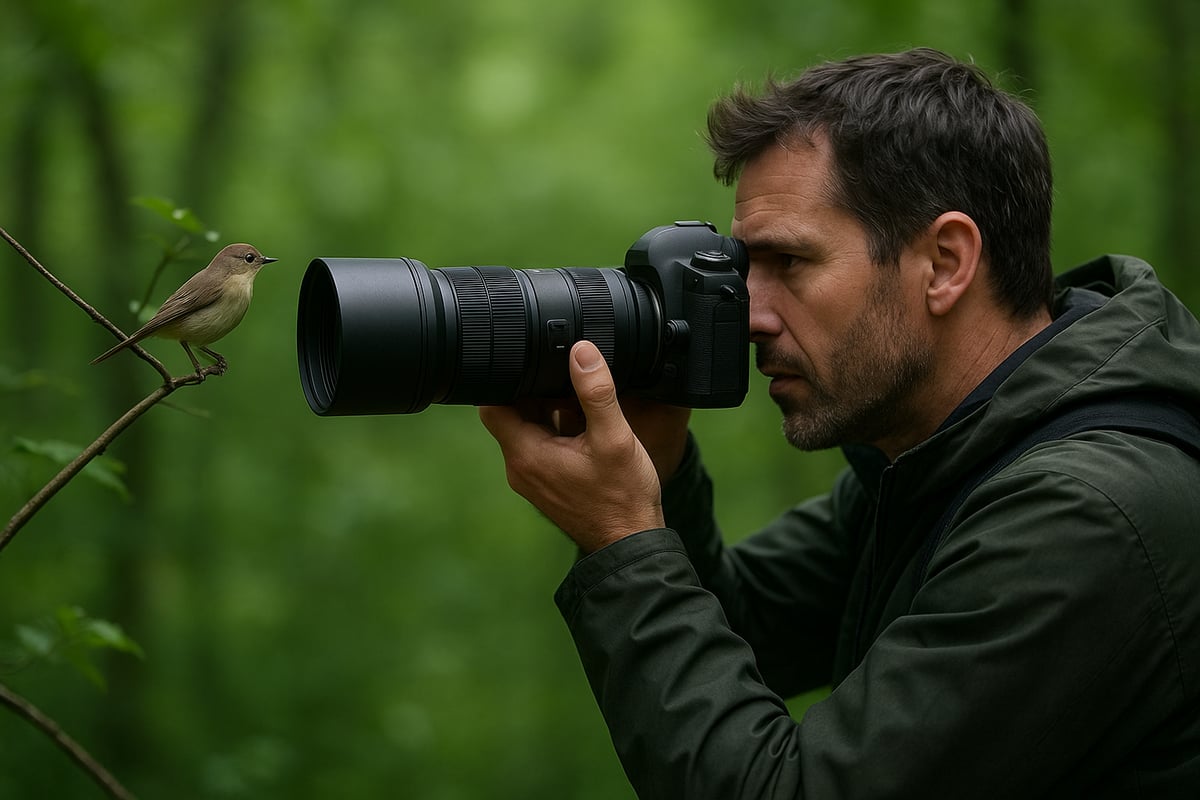
The past ten years have seen zoom technology leap forward. Cameras with good zoom now offer optical ranges that were once unimaginable for compact bodies. Optical zoom, which relies on shifting lens elements to magnify the image, preserves clarity and detail. By contrast, digital zoom enlarges pixels electronically, often resulting in loss of sharpness.
| Zoom Type | Image Quality | Typical Use Cases |
|---|---|---|
| Optical Zoom | High | Wildlife, sports, travel |
| Digital Zoom | Lower | Quick snaps, casual use |
Demand for versatile cameras with good zoom is at an all time high, especially among travelers and enthusiasts. Recent market reports show an upward trend in superzoom models, and reviews like the best zoom cameras reviewed highlight how these innovations are shaping the industry.
Some of my favorite images—like a lion at sunrise or intricate cathedral details—would have been out of reach without today’s zoom advancements.
Key scenarios where zoom is essential
There are many situations where cameras with good zoom truly shine. Wildlife and bird photography come to mind first. Getting close to elusive animals without disturbing them is only possible with a reliable zoom lens.
- Wildlife and birding: capturing distant subjects quietly
- Sports and action: freezing fast motion from the stands
- Travel and landscape: isolating distant architecture or scenery
- Everyday moments: candid portraits and family gatherings
- Vlogging: dynamic framing without camera movement
For travel photographers, a compact camera with good zoom can mean packing less gear and still returning home with stunning close ups. In sports, the ability to zoom allows you to focus on decisive moments without missing a beat. Even at family events, a powerful zoom helps you capture intimate expressions from across a crowded room.
Content creators and vloggers also benefit from cameras with good zoom, as they can switch perspectives quickly and keep their audience engaged.
Despite their advantages, cameras with good zoom face a few common hurdles. At long focal lengths, even the slightest hand shake can blur an image. That is why image stabilization is a must for anyone shooting handheld.
Digital zoom introduces noise and reduces detail, so I recommend relying on optical zoom whenever possible. Fast and accurate autofocus is essential, especially when tracking moving subjects at high zoom. Slow focus can mean missing a fleeting moment.
To maintain image quality at maximum zoom, use a tripod for added stability, and keep ISO low to avoid grain. Learning your camera’s autofocus modes and practicing panning can also make a significant difference. With the right approach, cameras with good zoom can consistently deliver sharp, memorable images, even in challenging conditions.
7 essential zoom features to look for in cameras for 2026
If you are searching for cameras with good zoom, understanding the features that define top performance in 2026 is crucial. The market is evolving, and expectations are higher than ever. Let us dive into the seven essential features that truly set apart cameras with good zoom, ensuring you get the best results for your photography needs.
1. Advanced optical zoom range
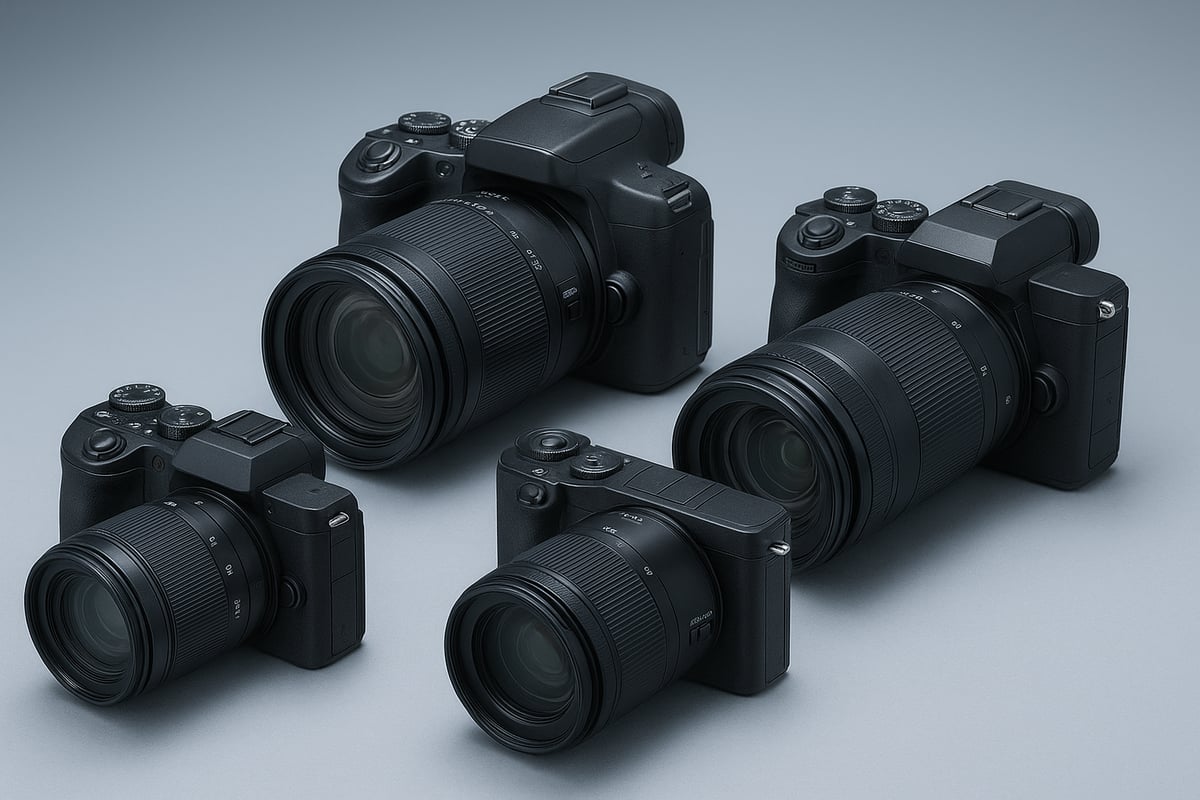
When evaluating cameras with good zoom, the optical zoom range is a top priority. Optical zoom, unlike digital zoom, uses the physical movement of lens elements to magnify the subject. This preserves image clarity and detail, a critical factor for professional results.
Compact cameras, bridge models, and interchangeable lens systems each offer distinct zoom ranges. For instance, most compact cameras with good zoom now reach 10x to 30x optical zoom, while bridge cameras often push beyond 60x. Interchangeable lens cameras, such as DSLRs and mirrorless bodies, rely on telephoto or superzoom lenses that can deliver even more reach, sometimes exceeding 600mm equivalent.
Why is optical zoom so essential? Digital zoom simply crops the image, leading to loss of detail and increased noise. Optical zoom, on the other hand, brings you closer without sacrificing quality. If you enjoy travel, wildlife, or sports photography, you need cameras with good zoom that offer a robust optical range.
Consider the trade-off: longer zooms often mean narrower apertures, which can affect low-light performance. For wildlife photography, a 24-600mm range is ideal. For everyday use, a 24-200mm lens balances versatility and light gathering. If portability matters, explore compact cameras with strong zoom to find models that fit in your pocket yet deliver impressive reach.
2. Image stabilization technology
One challenge with cameras with good zoom is maintaining sharpness at long focal lengths. Image shake becomes more pronounced as you zoom in, leading to blurry photos. This is where stabilization technology makes a difference.
There are three main types: optical image stabilization (OIS), sensor-shift stabilization (IBIS), and digital stabilization. OIS works within the lens to counteract small movements, while IBIS moves the sensor itself. Digital stabilization uses software to minimize shake, though it can sometimes degrade image quality.
For handheld shooting, especially in unpredictable environments, stabilization is a must-have feature. Cameras with good zoom equipped with OIS or IBIS allow you to shoot at slower shutter speeds without fear of blur. Many photographers have found that stabilization adds up to five stops of compensation, letting you capture sharp images even in challenging light.
To maximize stabilization, use a two-handed grip and take advantage of your camera’s stabilization settings. Some cameras allow you to combine lens and body stabilization for even better results. Always test stabilization performance in real-world conditions before committing to a purchase.
3. Fast and accurate autofocus at high zoom
Another pillar of cameras with good zoom is autofocus performance, particularly at longer focal lengths. Focusing quickly and accurately on distant or moving subjects is a real challenge. The longer the lens, the more critical autofocus technology becomes.
Modern systems use phase detection, contrast detection, or hybrid autofocus. Phase detection is renowned for its speed, making it perfect for action and wildlife shooters. Hybrid systems combine both methods for greater accuracy and versatility.
Eye and subject tracking are now standard in top-tier cameras with good zoom. These features lock onto subjects and maintain focus even as they move across the frame. In sports or bird photography, reliable autofocus can be the difference between a keeper and a missed shot.
Recent tests show that some cameras can achieve focus in under 0.05 seconds, even when fully zoomed in. For anyone who shoots in unpredictable situations, prioritize autofocus systems designed to perform at maximum zoom. Always check real-world reviews and sample images to see how a camera handles fast action.
4. High-resolution sensors for detailed zoom shots
Sensor resolution directly impacts the potential of cameras with good zoom. A higher megapixel count means more detail, which is especially valuable when cropping or zooming in post-production. However, more megapixels do not always guarantee better results.
The trick is balancing resolution with sensor size and low-light performance. A 24MP sensor on an APS-C camera can outperform a 48MP sensor on a smaller sensor due to better light gathering and less noise. For zoom-heavy photography, look for cameras with good zoom offering at least 20MP on a large sensor for crisp, detailed images.
High-resolution sensors also let you crop aggressively without losing too much quality. For instance, if you capture a distant bird and need to crop in, a high-res file retains sharpness and color. However, more pixels mean larger files and potentially slower processing, so ensure your workflow can handle the increased data.
Remember, cameras with good zoom benefit from a sensor that matches your style. If you often shoot in low light, prioritize larger sensors over sheer megapixel count. Real-world examples show that a balanced sensor delivers consistent results across different scenarios.
5. Versatile lens compatibility and adaptability
The ability to swap lenses is a game changer for cameras with good zoom. Interchangeable lens cameras let you tailor your setup for any situation, from ultra-wide landscapes to distant wildlife.
Telephoto and superzoom lenses open new creative doors. A 70-300mm zoom is perfect for sports, while a 150-600mm lens excels for birds and wildlife. Many modern cameras with good zoom support adapters, letting you use third-party or legacy glass. This expands your options and can save money in the long run.
Lens selection shapes your camera’s personality. Investing in quality lenses often delivers more noticeable improvements than upgrading the body. If you are building a kit, start with a versatile zoom and add primes or specialty lenses as your needs evolve.
Third-party lens makers are now producing excellent zooms that rival native options in sharpness and autofocus. If you want flexibility, prioritize cameras with good zoom that offer a wide mount and robust lens ecosystem.
6. User-friendly zoom controls and ergonomics
How you interact with your camera matters as much as the specs. Cameras with good zoom should feel intuitive in your hands, allowing you to react quickly when opportunities arise.
Zoom ring design, button placement, and touchscreen controls all affect usability. Some cameras use motorized zooms, while others favor manual rings for precision. Ergonomic bodies with deep grips reduce fatigue during long shoots, and customizable buttons let you set up your camera for your workflow.
In the field, quick access to zoom and focus controls is vital. For example, a well-placed zoom toggle can mean the difference between catching a fleeting moment and missing it. Cameras with good zoom often include programmable presets, letting you jump between focal lengths instantly.
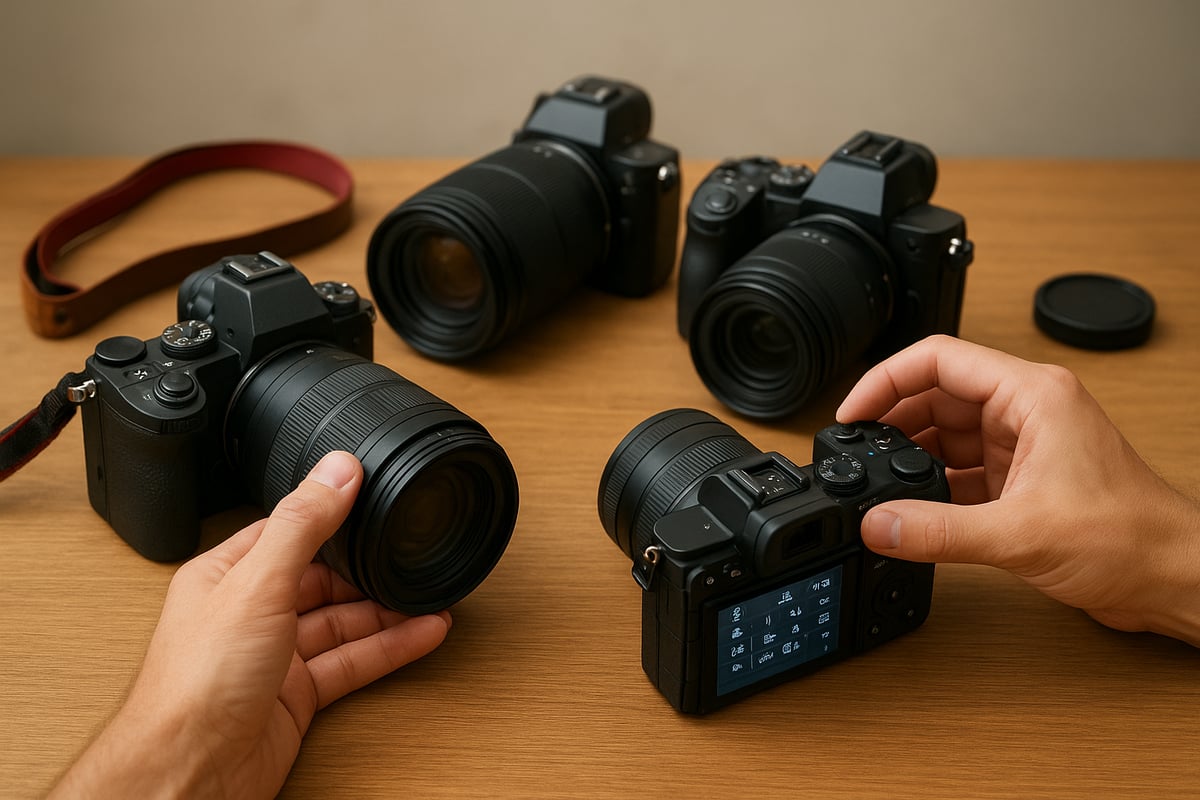
Before buying, always handle the camera in person if possible. Test the feel of the zoom ring, the responsiveness of the touchscreen, and the placement of key controls. Ergonomics can be subjective, but a comfortable camera encourages creativity and boosts your confidence.
7. Robust connectivity and sharing options
Modern cameras with good zoom are more than just imaging tools, they are connected devices that streamline your workflow. Wireless connectivity, such as Wi-Fi and Bluetooth, allows for remote control, instant sharing, and seamless integration with mobile devices.
Many new cameras offer companion apps for previewing, controlling, and transferring zoomed images. This is invaluable for travel, event, and social media photographers who need to share content quickly. Some models allow you to adjust zoom remotely, so you can set up the perfect shot without touching the camera.
Connectivity also enhances collaboration. You can send images directly to a client or upload to cloud storage on the go. For those who value efficiency, robust sharing options are a must-have in cameras with good zoom.
When evaluating options, look for cameras with good zoom that support the latest wireless protocols, have intuitive apps, and offer reliable remote features. These tools can transform your shooting experience and make you more productive, no matter where you are.
How to choose the right zoom camera for your needs
Choosing among the many cameras with good zoom can feel overwhelming, especially with new models appearing every year. The secret to making a confident decision lies in understanding your own needs and matching them with the right set of features. By asking the right questions and considering your shooting style, budget, and the latest technology, you can find a camera that will serve you well for years to come.
Assessing your photography style and requirements
Before browsing specifications, ask yourself what you most enjoy photographing. Do you crave the thrill of capturing distant wildlife, or do you love freezing the action at sports events? Maybe your passion is travel, where versatility is key. Knowing your priorities will help you focus on cameras with good zoom that truly fit your lifestyle.
Common photography styles and zoom needs:
| Style | Typical Zoom Needs | Key Features to Prioritize |
|---|---|---|
| Wildlife | Long telephoto | Fast autofocus, stabilization |
| Sports | Fast, long zoom | High burst rate, tracking AF |
| Travel | Versatile range | Compact, wide-to-telephoto lens |
| Family/events | Moderate zoom | Quick controls, good low light |
Consider what scenarios excite you most. Will you be shooting handheld or from a tripod? Do you often crop your images? These answers will guide you toward cameras with good zoom that deliver the flexibility or reach you need. Always match camera features to your real-world situations.
Balancing budget, features, and future-proofing
With so many options, it is tempting to go for the most feature-packed camera. However, a thoughtful balance between price and performance is crucial. Premium cameras with good zoom often come with weather sealing, advanced stabilization, and high-resolution sensors, but you can get excellent performance at midrange prices too.
Decide what matters most. Is it a robust zoom range, or perhaps superior low-light capability? Factor in not just the camera body, but also lenses and accessories. Sometimes, investing in a high-quality lens yields more benefit than upgrading the camera itself.
For those planning to grow with their gear, look for future-ready features like 4K video, fast wireless transfer, or compatibility with new lens systems. These can extend the lifespan of your investment and keep your kit relevant as technology advances.
Evaluating real-world performance and reviews
Nothing beats hands-on experience, but reliable reviews are the next best thing for narrowing your choices. When researching cameras with good zoom, focus on trusted sources that offer sample images, side-by-side comparisons, and honest performance analysis.
For example, the Panasonic Lumix DC-FZ80 review provides a thorough look at zoom performance and features from a real-world perspective. Pay special attention to autofocus speed, stabilization tests, and image quality at maximum zoom. User feedback can also reveal how a camera holds up over time.
Try to handle cameras in-store if possible, testing ergonomics and menu systems. If shopping online, study high-resolution sample images and video clips. This approach ensures that your chosen camera is not just good on paper, but also in the field, delivering the zoom performance you expect.
Expert advice and resources for zoom camera enthusiasts
Staying ahead in the world of cameras with good zoom is all about continuous learning and curiosity. The pace of innovation in zoom technology is staggering, with breakthroughs appearing almost every year. To keep up, I recommend following reputable communities and forums, subscribing to photography magazines, and joining online groups where fellow enthusiasts share discoveries. For those interested in the latest trends, check out Advancements in smartphone zoom technology, which explores how new ideas are shaping the future of zoom lenses. Staying well-informed ensures you always get the most from your gear.
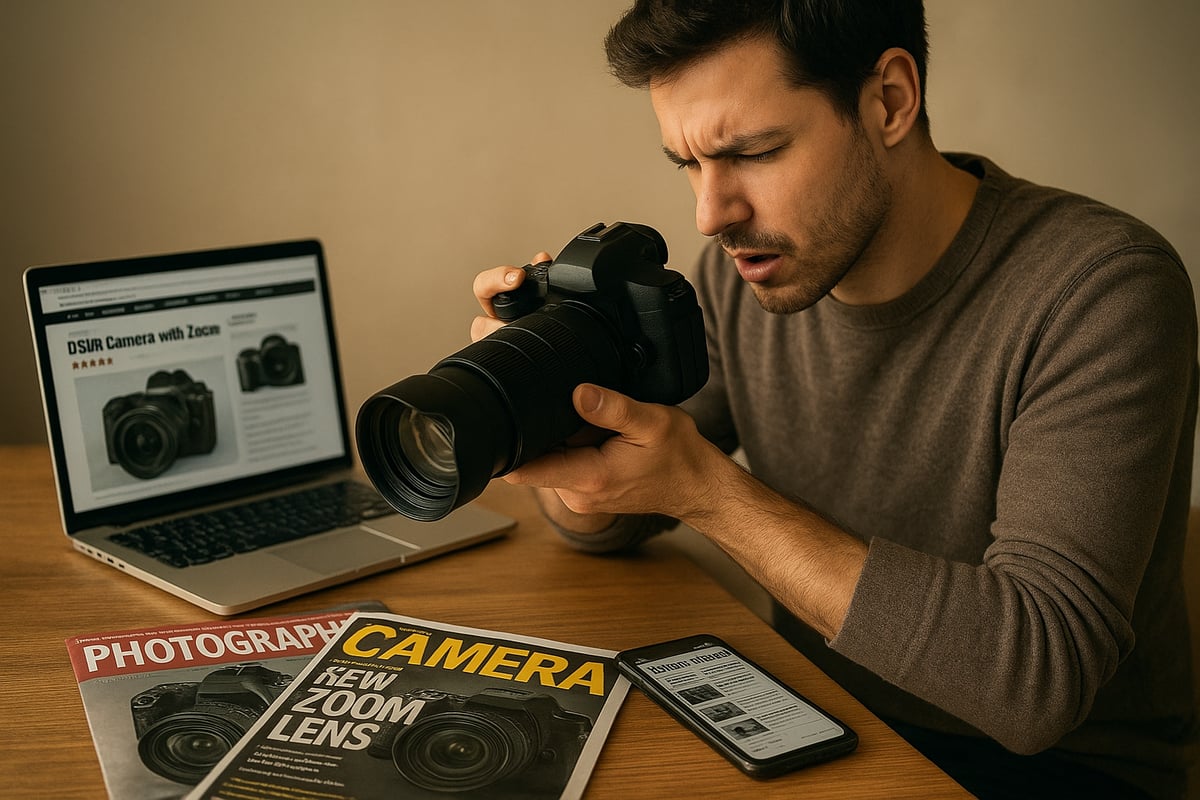
Tips for improving zoom photography skills
Developing your skills with cameras with good zoom takes practice and a willingness to experiment. Start by challenging yourself with different subjects, like birds in flight or distant cityscapes, to get comfortable with your camera’s full zoom range. Practice using stabilization features and adjusting autofocus settings for moving targets. Try shooting the same scene at various focal lengths to understand the strengths and limitations of your setup. Over time, you will develop a sharp eye for composition and timing, making the most of your camera’s zoom potential in any scenario.
Leveraging expert reviews and buying guides
Before investing in cameras with good zoom, I always dive into expert reviews and comprehensive buying guides. These resources offer unbiased opinions, real-world test results, and side-by-side comparisons of popular models. For example, the Nikon COOLPIX P900 superzoom analysis breaks down the practical benefits of high zoom ratios and image quality. Look for user feedback and sample images to see how a camera performs outside of controlled tests. By combining expert insight with your own hands-on experience, you will make confident, well-informed choices.


