



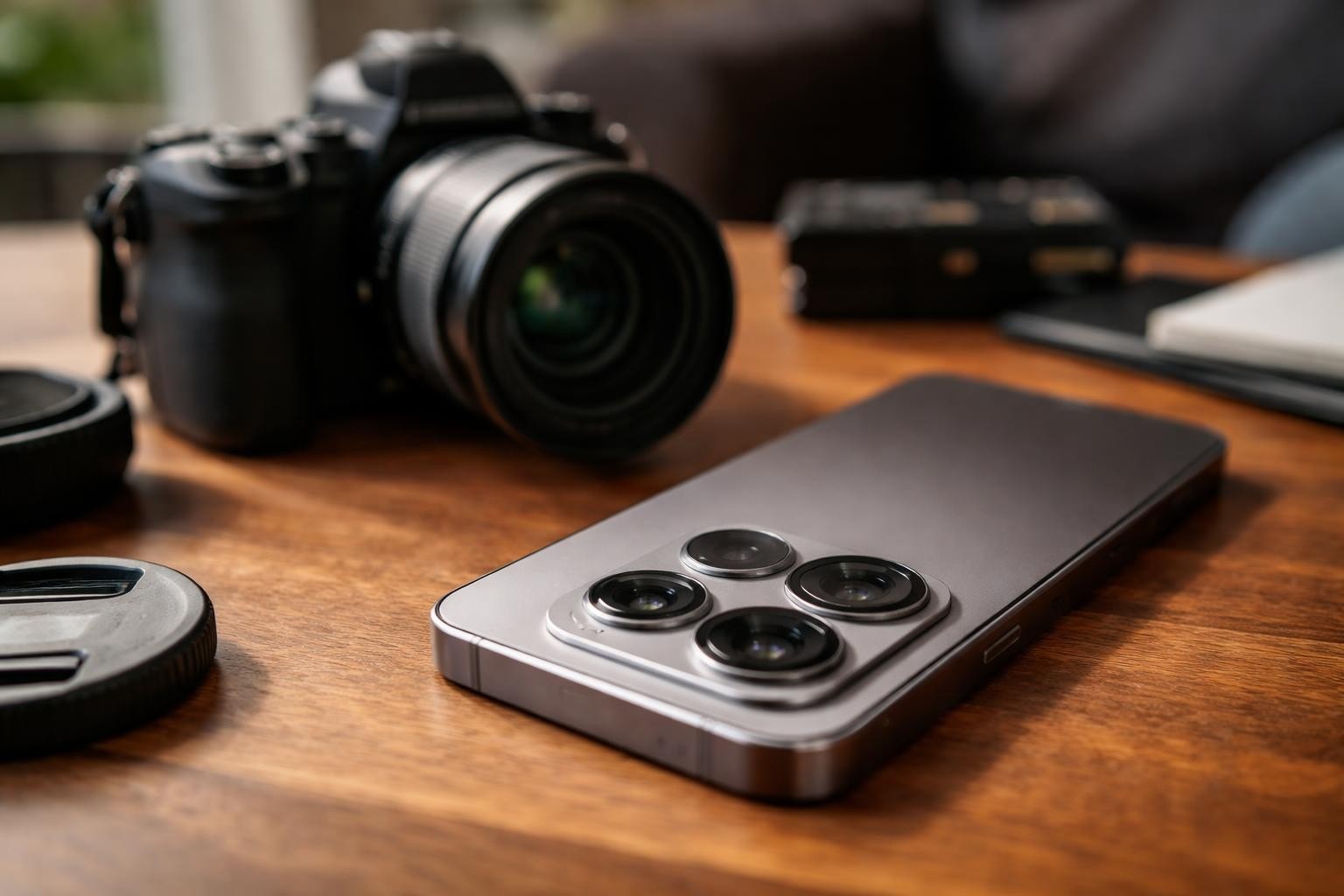
Mobile photography has reached a point where the question isn’t whether smartphones can replace dedicated cameras, but rather which phones actually deliver on their promises. After years of testing flagship devices alongside my professional equipment, I’ve watched computational photography evolve from a marketing buzzword into something genuinely transformative. The best smartphone cameras in 2026 represent a fascinating blend of hardware innovation and software intelligence, though not all advancements translate equally to better photographs.
Contents
- Understanding what makes smartphone cameras exceptional
- Evaluating lens systems and versatility
- Real-world performance factors
- Comparing leading options across price segments
- Software, updates, and long-term reliability
- Making the right choice for your photography
- The future trajectory of mobile photography
Understanding what makes smartphone cameras exceptional
The conversation around mobile camera quality has shifted dramatically over the past few years. Raw megapixel counts no longer tell the complete story, and manufacturers have finally started acknowledging this reality. What separates excellent phone cameras from mediocre ones involves a complex interplay of sensor size, lens quality, computational processing, and something harder to quantify: how well the entire system works together under pressure.
Sensor technology and physical limitations
Physics hasn’t changed, and smartphone sensors still face significant size constraints compared to dedicated cameras. The best implementations recognize this limitation and work within it rather than pretending it doesn’t exist. Larger sensors within the available space capture more light and deliver better dynamic range, particularly in challenging conditions.
Key sensor considerations:
- Physical sensor dimensions (typically 1/1.3 inch to 1 inch in flagship models)
- Pixel size versus total megapixel count balance
- Dual-layer or stacked sensor architectures
- Native ISO performance range
Modern flagship phones employ sensors that would have seemed impossible just five years ago. Some manufacturers have pushed sensor sizes to the point where they require camera bumps that make the device wobble on flat surfaces. This tradeoff matters because physics always wins, and a larger sensor gathering more photons will consistently outperform clever algorithms when light gets scarce.
Computational photography capabilities
This is where things get interesting and occasionally frustrating. The best smartphone cameras leverage computational photography to overcome hardware limitations, but the implementation quality varies wildly between brands. Google pioneered this approach with their Pixel line, and everyone else has been playing catch up or taking different approaches entirely.
Machine learning now touches every aspect of image capture. From the moment you half-press the shutter, algorithms analyze the scene, predict motion, adjust exposure parameters, and prepare to merge multiple frames. The best camera phones execute this process so seamlessly you forget it’s happening.
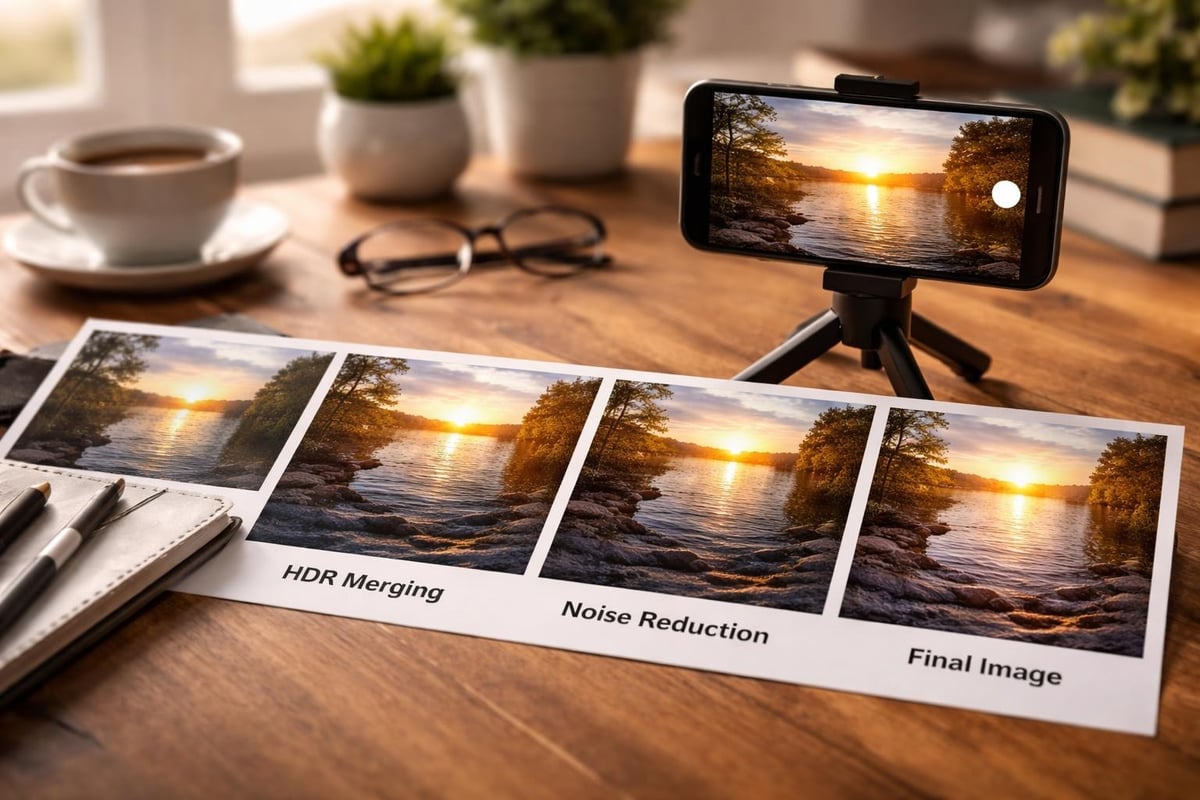


Some processing feels magical. Night mode photography, for instance, produces images that simply weren’t possible with phones a few years ago. Other processing choices feel heavy-handed. Aggressive skin smoothing, over-sharpened details, and artificial color saturation plague even expensive flagship devices. The best smartphone cameras give you control over these processes rather than forcing a particular aesthetic.
Evaluating lens systems and versatility
Smartphone manufacturers love promoting their multi-camera arrays, but more lenses don’t automatically equal better photography. What matters is having the right focal lengths for your shooting style and ensuring quality remains consistent across the entire system.
Primary wide cameras
Every phone camera system lives or dies by its primary wide lens. This is where manufacturers invest their best sensors, widest apertures, and most sophisticated stabilization systems. The primary camera handles the majority of your shots, so mediocre performance here ruins the entire package regardless of how impressive the telephoto or ultrawide might be.
| Camera aspect | What to prioritize | Why it matters |
|---|---|---|
| Aperture | f/1.4 to f/1.8 | Improves low-light performance and background separation |
| Stabilization | Sensor-shift OIS | Reduces blur in video and long exposures |
| Autofocus | Dual pixel or PDAF | Faster, more accurate subject tracking |
| Field of view | 24mm equivalent | Versatile for most shooting scenarios |
The best smartphone cameras maintain excellent corner-to-corner sharpness and minimal distortion in their primary lenses. Cheap optics show their limitations immediately in backlit scenes where flare and ghosting become problems, or in high-contrast situations where chromatic aberration appears as color fringing.
Telephoto systems and optical zoom
True optical zoom separates serious phone cameras from pretenders. Digital zoom or “hybrid” zoom marketing claims sound impressive until you actually examine the results. I’ve tested phones claiming 100x zoom capabilities that produce unusable images beyond 10x, which defeats the entire purpose.
Practical telephoto considerations:
- Real optical magnification (3x to 5x most useful)
- Periscope designs for longer reach in slim bodies
- Dedicated telephoto sensor quality matching the main camera
- Optical stabilization at telephoto lengths becomes critical
The implementation details matter enormously. A 5x periscope telephoto with a quality sensor and stabilization delivers better results than a cheaper 10x system with inferior components. Several manufacturers now include multiple telephoto cameras at different magnifications, which sounds excessive until you actually use them. Having native 3x and 10x options provides genuine flexibility for portrait and wildlife photography respectively.
Ultrawide perspectives
Ultrawide cameras often get treated as afterthoughts in smartphone design, receiving smaller sensors and less sophisticated processing than the primary camera. This creates a noticeable quality gap when switching between lenses, which disrupts the shooting experience. The best smartphone cameras maintain consistent color science and processing across all their lenses.
Edge distortion in ultrawide lenses requires careful correction algorithms. Some phones nail this perfectly, producing natural-looking images even when including people near frame edges. Others create stretched, warped results that look amateurish. Autofocus in ultrawide cameras enables close-up macro photography, which several recent flagships have embraced with impressive results.
Real-world performance factors
Specifications only reveal part of the story. How cameras perform during actual use involves factors that don’t appear on spec sheets but dramatically impact your experience and final image quality.
Low-light photography capabilities
This represents the toughest challenge for smartphone cameras and where the gap between best and mediocre becomes most obvious. Computational night modes have improved remarkably, but they still require the camera to remain steady for multiple seconds while merging exposures. Samsung’s ProVisual Engine and similar AI-powered systems from competitors attempt to optimize this process automatically.
Good low-light performance depends on several factors working together. Large sensors with bigger pixels capture more light per exposure. Wide apertures allow faster shutter speeds that reduce motion blur. Sophisticated stabilization systems compensate for hand shake during longer exposures. Processing algorithms must denoise aggressively without destroying fine detail or creating artificial-looking results.
I’ve shot thousands of low-light images across various flagship phones, and the differences remain significant. Some devices produce clean, detailed night shots with accurate colors. Others generate muddy, watercolor-like images where noise reduction has obliterated texture. Testing this yourself before buying matters more than trusting marketing claims about light sensitivity.
Video recording quality
Video capabilities have become a major differentiating factor among the best smartphone cameras. Professional video features like LOG recording, 10-bit color depth, and high frame rates have trickled down from cinema cameras into phones. The practical question is whether the implementation actually works reliably.
- Evaluate stabilization effectiveness – Critical for handheld video work
- Test autofocus tracking – Subject detection during video separates good from great
- Check thermal management – Some phones overheat and stop recording
- Assess audio quality – Often overlooked but essential for usable footage
- Review codec efficiency – File sizes and compatibility matter for editing
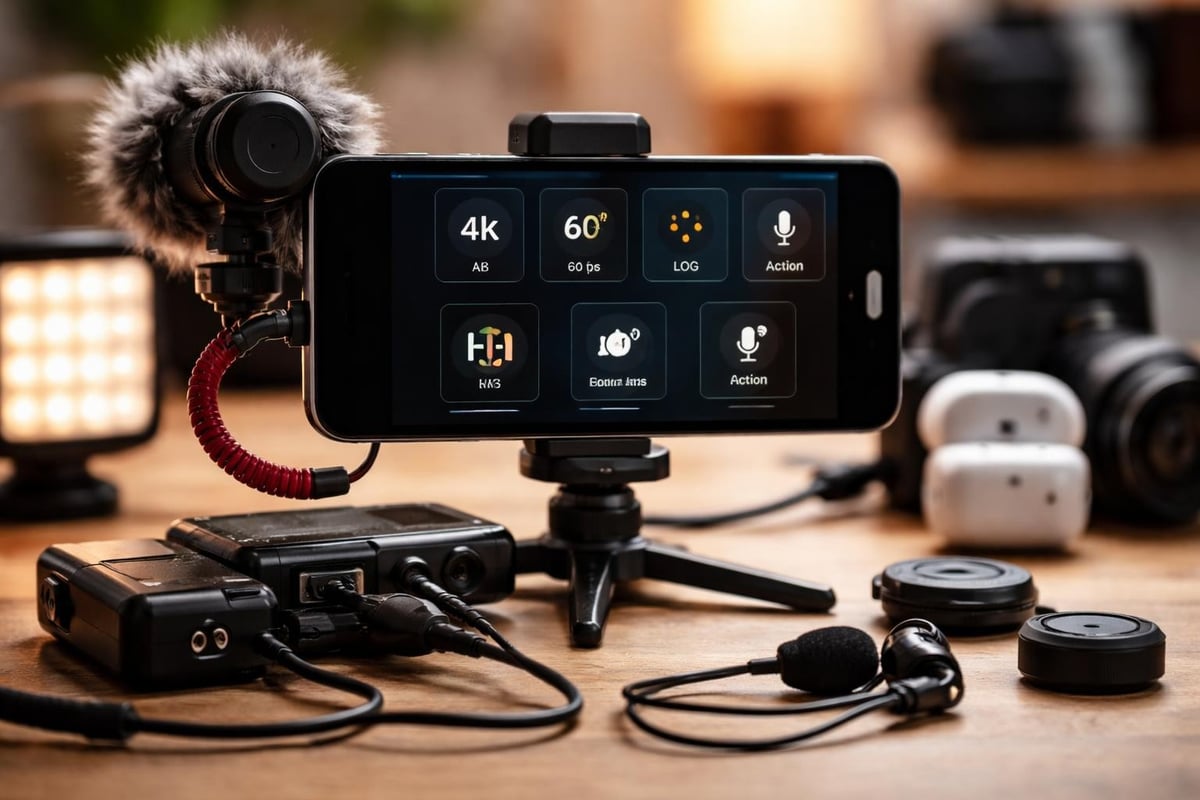
The best implementations allow manual control over exposure, focus, and color grading while maintaining reliable autofocus when needed. Gimbal-level stabilization has arrived in several flagship models, producing remarkably smooth footage without external accessories. However, recording duration limits, overheating issues, and inconsistent performance across different lenses remain problems even in expensive devices.
Processing speed and shutter response
Computational photography requires significant processing power, and the delays between pressing the shutter and capturing the final image can mean missing decisive moments. The best smartphone cameras minimize this lag through dedicated image processing chips and optimized software.
Buffer depth determines how many rapid shots you can capture before the camera needs to pause for processing. This matters for action photography, children, pets, or any situation involving unpredictable movement. Some phones shoot impressive bursts but then freeze for several seconds while processing, which feels frustrating when you’re trying to capture multiple moments in sequence.
Comparing leading options across price segments
The smartphone camera landscape in 2026 offers compelling options at various price points. Understanding where each device excels helps match capabilities to your specific photography needs and budget constraints.
Premium flagship territory
Top-tier phones command premium prices partly based on camera capabilities. These devices receive the latest sensor technology, most sophisticated computational photography systems, and most versatile lens arrays. Whether they justify their cost depends on how seriously you approach mobile photography.
The current flagship leaders include devices with main sensors approaching one inch in size, multiple telephoto options, and processing power that handles complex computational tasks in real time. Build quality, weather sealing, and professional features like RAW capture with full manual controls separate these phones from cheaper alternatives.
| Price segment | Typical features | Best for |
|---|---|---|
| $1200+ flagship | 1-inch sensors, multiple telephotos, advanced video | Professional mobile photography, content creation |
| $800-1200 upper mid-range | Strong main camera, single telephoto, good night mode | Enthusiast photographers, serious hobbyists |
| $500-800 mid-range | Capable main sensor, computational features, limited zoom | Casual photographers wanting better quality |
Mid-range performers punching above their weight
Some mid-range devices deliver camera performance that rivals last year’s flagships at significantly lower prices. This sweet spot in the market provides excellent value for photographers who prioritize image quality but don’t need every cutting-edge feature. The Google Pixel 10a represents this category well, offering Google’s computational photography expertise in a more affordable package.
These phones typically compromise on build materials, display quality, or processor speed rather than gutting camera capabilities entirely. You might get a smaller sensor or fewer lens options, but the primary camera often delivers surprisingly good results through smart computational processing. Understanding these tradeoffs helps identify whether a mid-range phone meets your needs.
For photographers primarily interested in still images who rarely shoot video or use telephoto lenses, these devices make tremendous sense. The money saved versus flagships could fund actual dedicated camera equipment or quality accessories. In fact, if you’re considering expanding beyond smartphone photography, exploring the best cameras under 700 dollars might provide better image quality and more creative control than even the best phone cameras.
Specialized photography approaches
Different manufacturers emphasize different photographic strengths in their camera systems. Some excel at computational photography and point-and-shoot convenience. Others provide more manual control and prioritize color accuracy over artificial enhancement. Matching these philosophies to your shooting style matters more than chasing specification numbers.
Photography style considerations:
- Street photography benefits from fast autofocus and discrete form factors
- Portrait work requires good bokeh rendering and flattering color science
- Landscape photography demands excellent dynamic range and ultrawide quality
- Action and sports need reliable subject tracking and high burst rates
Software, updates, and long-term reliability
Camera hardware only represents half the equation. Software determines how that hardware performs, and ongoing updates can significantly improve or degrade camera capabilities over a device’s lifespan.
Operating system impact on camera performance
The fundamental difference between iOS and Android affects camera operation more than many photographers realize. Apple’s tight hardware and software integration enables optimizations impossible on Android’s fragmented ecosystem. However, Android manufacturers can experiment with features and processing approaches that Apple might consider too aggressive or niche.
Google’s Pixel phones demonstrate what’s possible when a company controls both hardware and software, even without the absolute best sensors or lenses. Their computational photography remains industry-leading years after introducing the approach. Samsung has developed their own sophisticated processing, though opinions vary on whether their aesthetic choices improve or harm final image quality compared to more neutral approaches.
Third-party camera apps can unlock additional capabilities on both platforms, though iOS restrictions limit low-level sensor access compared to Android. Professional photographers often prefer phones that support advanced manual controls and RAW capture through native or third-party applications. The best smartphone cameras provide these options without requiring deep technical knowledge for casual shooting.
Camera software updates and evolution
Manufacturers increasingly improve camera performance through software updates after release, which means your phone’s capabilities can actually expand over time. Google regularly pushes new computational photography features to Pixel devices. Samsung updates their processing algorithms and adds features from newer models to previous generation flagships.
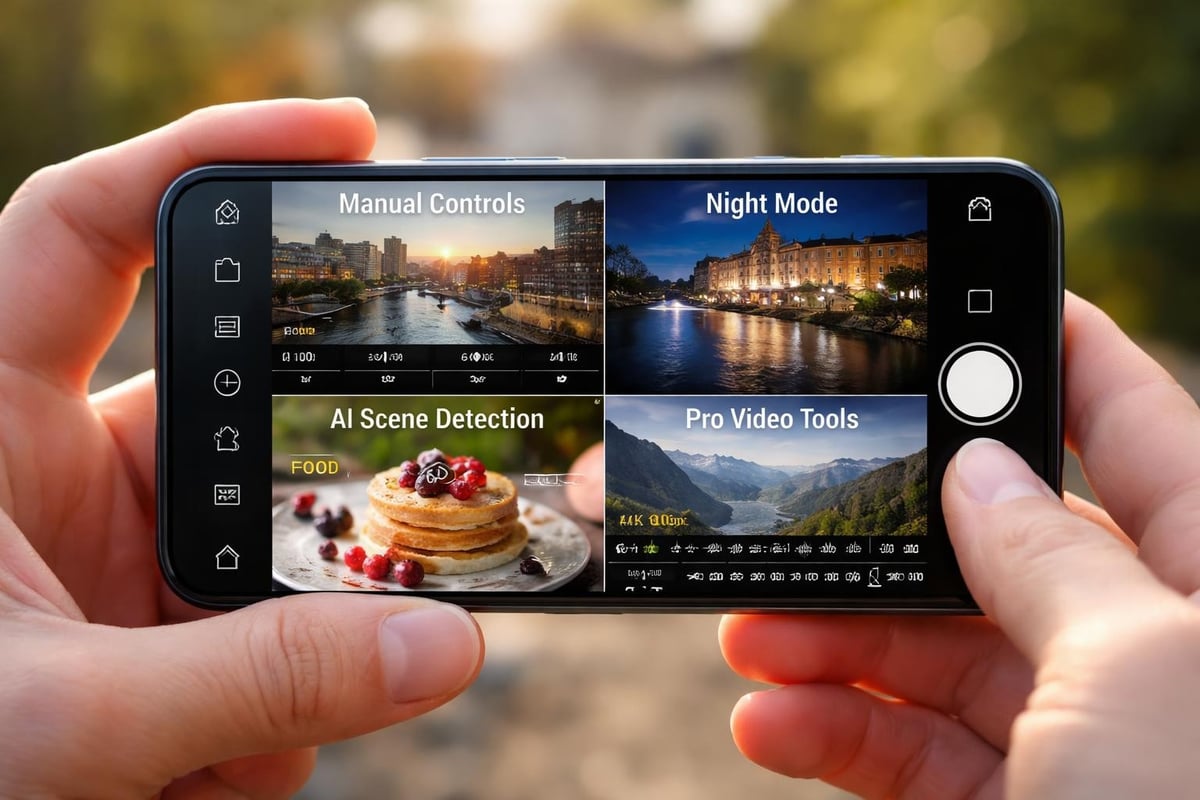
This creates an interesting situation where reviews at launch don’t tell the complete long-term story. A phone with mediocre processing at release might improve significantly six months later through updates. Conversely, some manufacturers abandon older devices quickly, leaving them frozen with whatever camera performance existed at launch.
Making the right choice for your photography
Selecting among the best smartphone cameras requires honest assessment of your actual shooting habits rather than theoretical capabilities you might never use. The most expensive phone with every feature doesn’t serve you better than a cheaper model that excels at what you actually photograph.
Practical decision framework
Start by reviewing your current photo library to understand what you actually shoot. If 90 percent of your images use the standard wide lens and you rarely zoom, spending extra money for sophisticated telephoto systems makes little sense. Conversely, if you constantly find yourself wanting more reach, prioritize optical zoom capabilities over megapixels or night mode improvements.
Consider where and when you photograph most often. Primarily shooting outdoors in good light reduces the importance of low-light performance. Regular indoor photography or evening shooting makes excellent night mode and high ISO performance essential. Video creators need to prioritize different specifications than still photographers.
Questions to guide your decision:
- Do you frequently shoot in challenging light conditions?
- How important is optical zoom versus cropping from a high-resolution main sensor?
- Will you use manual controls or prefer automatic computational modes?
- Does video quality matter as much as still photography performance?
- Are you invested in a particular ecosystem (iOS/Android)?
Testing before committing
Specifications and reviews provide valuable information, but nothing replaces actually shooting with a device before purchase. Many retailers allow generous return periods, and some offer demo units you can test in-store. Take advantage of these opportunities to evaluate how the camera performs for your specific use cases.
Pay attention to factors beyond image quality during testing. How quickly does the camera launch? Can you reliably capture fast-moving subjects? Does the interface make sense, or do essential controls hide behind multiple menus? These usability factors impact your actual photography more than minor differences in sensor specifications.
The latest roundup of best phones from established tech publications provides another valuable reference point, though remember that professional reviewers often prioritize different factors than everyday photographers. Cross-reference multiple perspectives before making final decisions.
Understanding your upgrade cycle
Smartphone cameras improve incrementally year over year, making annual upgrades unnecessary for most photographers. If your current device still meets your needs and receives software updates, waiting 2-3 years between upgrades makes more financial sense and usually delivers more noticeable improvements.
However, computational photography advances can make older phones feel significantly more limited than the spec gap would suggest. A three-year-old flagship might have similar sensor specifications to current mid-range phones, but modern processing produces noticeably better results. This matters more for challenging shooting conditions where computational photography makes the biggest difference.
Consider whether photography represents your primary phone use case or just one feature among many. Dedicated photographers might justify more frequent upgrades to maintain cutting-edge capabilities, while casual shooters benefit more from holding devices longer and investing savings elsewhere. Action cameras like those covered in guides to the best GoPro alternatives might better serve specific use cases than constantly upgrading your phone.
The future trajectory of mobile photography
Looking ahead, several trends will continue shaping how the best smartphone cameras evolve. Understanding these directions helps make more informed decisions about whether to buy now or wait for upcoming developments.
Artificial intelligence integration
AI capabilities already permeate smartphone photography, but current implementations barely scratch the surface of what’s coming. Future systems will better understand photographic intent, making more sophisticated decisions about exposure, composition suggestions, and post-processing adjustments. The line between capturing and creating photographs will continue blurring.
Some photographers embrace this evolution enthusiastically while others view it as removing creative control. The best implementations will likely provide options for both approaches, allowing purists to minimize AI intervention while enabling casual users to achieve professional-looking results automatically.
Hardware innovation paths
Physical constraints limit how much further smartphone camera hardware can advance within current form factors. Sensor sizes can’t grow infinitely without making phones impractically thick. Lens systems already push the boundaries of miniaturization while maintaining optical quality.
Future improvements will likely focus on new sensor technologies like global shutters that eliminate rolling shutter artifacts, improved light-gathering efficiency through better pixel designs, and more sophisticated computational optics that use software to correct hardware limitations. Periscope telephoto designs will probably extend to longer focal lengths, though the practical usefulness of extreme zoom remains questionable.
Computational photography boundaries
The most exciting frontier involves computational photography techniques not yet mainstream. Multi-frame super resolution can extract more detail than single-shot capture. Computational aperture adjustment allows refocusing after capture or adjusting depth of field in post-processing. These features exist in limited forms today but will become more sophisticated and seamless.
Advanced users increasingly want more control over computational processes rather than one-size-fits-all automatic processing. Professional modes that expose individual processing steps for adjustment will likely expand, though most casual users will continue preferring automatic optimization that just works.
The best smartphone cameras in 2026 represent remarkable technology that continues advancing at an impressive pace, though individual devices excel in different areas depending on manufacturer priorities and implementation choices. Understanding what matters most for your photography style and shooting conditions enables smarter decisions than simply chasing the highest specifications or newest features. Whether you’re just beginning to explore mobile photography seriously or you’re an experienced shooter looking to stay current with the latest capabilities, Lens and Shutter provides comprehensive reviews and expert guidance across cameras, lenses, and accessories to help you make informed choices that match your creative vision and budget.