



Imagine capturing that once-in-a-lifetime shot, only to realize your lens held you back. The right lens choice for your Nikon D7500 can be the difference between a good photo and a truly unforgettable image, especially as technology evolves in 2026.
If you want to get the most out of your camera, understanding how to select and use the best nikon d7500 lenses is essential. The right tools unlock creative freedom and technical excellence.
With the right guidance, you can elevate every photo, whether you shoot landscapes, portraits, or action. These tips will help you stay ahead of trends, avoid costly mistakes, and build a lens lineup that grows with your skills.
Ready to transform your photography? Dive in and discover eight essential tips that will help you make confident decisions and capture your vision with precision.
Contents
- Understanding the Nikon D7500’s lens compatibility and system
- 8 essential best Nikon D7500 lenses tips for 2026
- 1. Tip: Prioritize lens versatility for diverse photography styles
- 2. Tip: Invest in fast aperture lenses for low-light and creative control
- 3. Tip: Embrace lightweight and compact lens options for travel
- 4. Tip: Optimize lens selection for video and hybrid shooting
- 5. Tip: Explore macro capabilities for creative close-up work
- 6. Tip: Take advantage of telephoto reach for wildlife and sports
- 7. Tip: Use specialty lenses for unique creative effects
- 8. Tip: Regularly maintain and update your lens collection
- Factors to consider when choosing lenses for the Nikon D7500 in 2026
- Maximizing lens performance with the Nikon D7500
- Staying updated on lens trends and innovations for 2026
Understanding the Nikon D7500’s lens compatibility and system
Choosing the right lens for your Nikon D7500 in 2026 is not just about what fits. It is about unlocking your camera’s true capabilities. Let’s break down the essential aspects of compatibility and system features so you can confidently select the best nikon d7500 lenses for any scenario.


Key lens mount considerations
The Nikon D7500 continues to use the classic F-mount, which remains highly relevant in 2026. This mount supports a wide range of lenses, including Nikon’s DX and FX formats, as well as many third-party options. DX lenses are designed for APS-C sensors like the D7500’s, while FX lenses, intended for full-frame cameras, also work seamlessly, though with a crop factor adjustment.
Firmware updates are crucial, especially with third-party lenses, to ensure full compatibility and optimal autofocus performance. For example, a Sigma Art lens may require a firmware update to function perfectly with the D7500’s latest features.
Some photographers assume that only modern lenses work, but older F-mount glass can be a hidden gem, especially for manual focus projects. If you want a deeper understanding of how these features interact, check out this Nikon D7500 camera review for a closer look at compatibility and system strengths.
Sensor size and crop factor impact
The D7500’s DX sensor introduces a 1.5x crop factor. This means a 50mm lens delivers a field of view similar to a 75mm lens on a full-frame camera. This has direct implications for how you choose the best nikon d7500 lenses for different genres.
For landscape photography, a 10-20mm DX lens offers a true wide angle, while for wildlife, a 200mm lens effectively becomes 300mm in reach. Sensor size also influences depth of field: a smaller sensor gives you more depth, making background blur slightly harder to achieve than with full-frame, but it is still possible with fast primes.
Understanding crop factor helps you compose better and pick lenses that match your creative vision.
Autofocus and electronic features
Autofocus technology has come a long way, and the D7500 benefits from fast, accurate systems that communicate directly with modern lenses. Many of the best nikon d7500 lenses now feature built-in motors and advanced electronics for snappy focus and silent operation, which is essential for both stills and video.
Firmware updates for lenses are more common in 2026, often improving compatibility, autofocus accuracy, and even adding new features. While older lenses may lack some electronic features, many still function well for manual focus or specialized photography.
Always check whether your chosen lens supports the D7500’s advanced autofocus modes to get the most out of your camera.
Weather sealing and build quality
When you are out in the field, lens durability matters. Many of the best nikon d7500 lenses offer weather sealing, which protects against dust and moisture—a must for landscape and travel photographers. Look for solid construction, metal mounts, and rubber gaskets for added peace of mind.
Here is a quick table for typical build features:
| Feature | Benefit |
|---|---|
| Weather sealing | Protection outdoors |
| Metal mount | Long-term reliability |
| Robust barrel | Impact resistance |
Investing in quality lenses pays off in the long run. While budget options can be tempting, a well-built lens can last through years of creative growth and changing environments. Evaluate your needs and choose the right balance between price and durability for your kit.
8 essential best Nikon D7500 lenses tips for 2026
Choosing the best nikon d7500 lenses can feel overwhelming, especially with so many options in 2026. The right lens transforms your camera, unlocking new creative possibilities and adapting to your unique style. Here are eight practical tips, drawn from years behind the viewfinder, to help you make confident decisions and elevate your photography this year.
1. Tip: Prioritize lens versatility for diverse photography styles
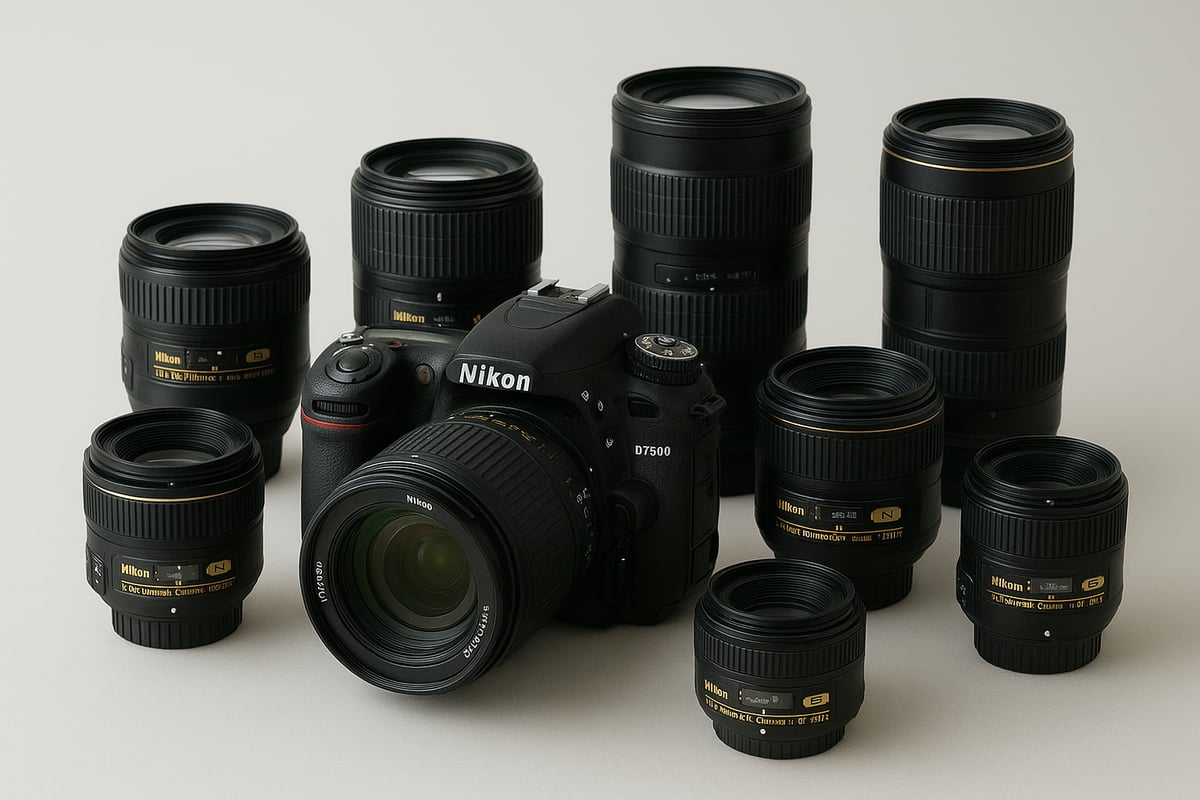
Versatility is the secret weapon of every photographer. When building your kit, choose lenses that adapt to a wide range of subjects and situations. All-purpose zooms, like an 18-140mm or a 24-120mm, can handle everything from sweeping landscapes to spontaneous portraits. Prime lenses in the 35mm or 50mm range are lightweight and encourage creative framing.
With the best nikon d7500 lenses, you can travel lighter and respond quickly to changing scenes. Imagine capturing a sunrise, then switching instantly to street portraits, all without swapping gear. Versatile lenses mean fewer missed moments and more creative freedom.
Consider focal ranges that cover your main interests. For example, an 18-200mm zoom is a workhorse for travel, while a 35mm prime is a classic for everyday shooting. If you are looking for specific recommendations, the Best Lenses for Nikon D7500 in 2025 guide is a great place to start for up-to-date picks.
2. Tip: Invest in fast aperture lenses for low-light and creative control
A fast aperture lens, like an f/1.8 or f/2.8, is essential for mastering light and depth. These lenses gather more light, letting you shoot indoors, at dusk, or in dimly lit scenes without a flash. With the best nikon d7500 lenses, you gain the power to freeze action or create smooth bokeh that isolates your subject.
Fast lenses also unlock creative effects. Imagine shooting a portrait where the background melts away, putting all the focus on your subject. Or capturing city lights at night with crisp, noise-free detail. While fast glass can be expensive, there are excellent budget-friendly options like the 35mm f/1.8 DX, which deliver stunning results.
Consider your shooting style and typical lighting conditions. A single fast lens in your bag can transform how you approach challenging environments and artistic projects.
3. Tip: Embrace lightweight and compact lens options for travel
Travel photography rewards those who pack smart. Lightweight, compact lenses reduce fatigue, encourage you to explore longer, and make spontaneous shooting effortless. The best nikon d7500 lenses for travel often include compact zooms like the 18-55mm or small primes such as the 35mm f/1.8.
Think about your ideal travel kit. A two-lens setup, such as a wide zoom and a fast prime, covers most scenarios without adding bulk. Packing cubes and lens pouches help organize your gear and protect it on the go.
Balancing portability with image quality is key. Sacrificing a bit of reach or aperture speed can be worth it for the freedom to move lightly. The right compact lenses let you focus on storytelling, not logistics.
4. Tip: Optimize lens selection for video and hybrid shooting
The lines between photo and video are more blurred than ever. If you shoot video or create hybrid content, lens features matter. The best nikon d7500 lenses for video offer silent autofocus, effective vibration reduction, and smooth aperture control for seamless transitions.
Look for lenses that minimize focus breathing and allow for manual focus override. These features are invaluable for vlogging, interviews, and cinematic projects. A 16-80mm f/2.8-4, for example, is a strong all-rounder for both stills and video.
Hybrid shooters should test how a lens handles focus and aperture changes during recording. Investing in a lens designed for video can save you countless headaches in post-production and elevate the quality of your footage.
5. Tip: Explore macro capabilities for creative close-up work
Macro photography opens a new world of detail. The best nikon d7500 lenses for macro let you capture textures, patterns, and tiny subjects with stunning clarity. Look for lenses with a short minimum focusing distance and a 1:1 reproduction ratio for true macro performance.
Macro lenses excel at photographing flowers, insects, jewelry, and food. If you want to experiment before buying a dedicated macro lens, try extension tubes or close-up filters with your existing glass.
Close-up work challenges your technique and sharpens your eye for composition. Adding a macro lens to your kit is an invitation to slow down and discover beauty in the small things.
6. Tip: Take advantage of telephoto reach for wildlife and sports
Distant subjects demand reach. Telephoto lenses, such as a 70-300mm or 200-500mm, are essential for wildlife, sports, and action photography. The crop factor of the D7500 effectively extends your focal length, making the best nikon d7500 lenses in this range even more powerful.
Stability is crucial with long lenses. Use a tripod, monopod, or take advantage of built-in vibration reduction. Fast autofocus helps you track moving subjects, while weather sealing protects your gear during outdoor shoots.
Whether you are capturing birds in flight or athletes on the field, a quality telephoto lens brings the action closer and sharpens your storytelling.
7. Tip: Use specialty lenses for unique creative effects
Sometimes, creativity calls for something different. Specialty lenses like fisheye, tilt-shift, or classic portrait primes introduce new perspectives and artistic effects. With the best nikon d7500 lenses, you can push the boundaries of your style and experiment with distortion, selective focus, or exaggerated depth.
Fisheye lenses are fantastic for dramatic landscapes and architecture. Tilt-shift lenses help control perspective in cityscapes or product photography. A fast 85mm prime creates flattering portraits with creamy backgrounds.
Consider adding one specialty lens to your collection. It can spark inspiration and help you develop a signature look in your portfolio.
8. Tip: Regularly maintain and update your lens collection
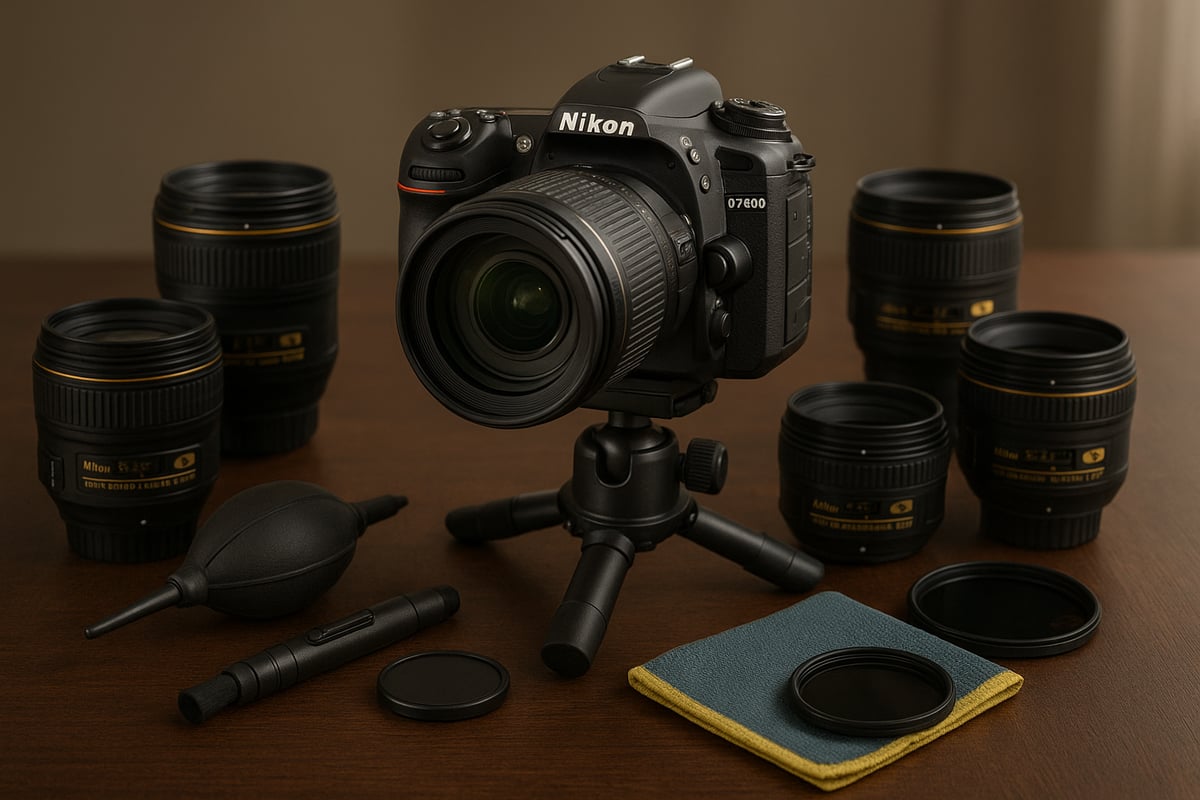
A well-maintained lens kit delivers consistent results. Clean your lenses regularly using a blower, microfiber cloth, and lens solution. Firmware updates, available from manufacturers, can improve autofocus speed and compatibility for the best nikon d7500 lenses.
Reevaluate your lineup as your skills grow. Sell or trade lenses that no longer fit your needs, and stay informed about new releases and trends. Upgrading thoughtfully ensures your kit evolves with your creative journey.
Regular care and strategic updates protect your investment and keep your photography fresh and exciting.
Factors to consider when choosing lenses for the Nikon D7500 in 2026
Selecting the best nikon d7500 lenses is about more than just grabbing the latest model. Your lens choices should reflect your shooting style, budget, and long-term goals. Let’s break down the most important factors to help you make smart, future-proof decisions for your kit.

Balancing budget and performance
When weighing options for the best nikon d7500 lenses, it’s essential to align your investment with your photography needs. Not every situation calls for top-tier glass. Sometimes a well-chosen budget lens delivers fantastic results, especially for beginners or those exploring new genres.
Here’s a quick comparison:
| Feature | Budget Lens | Premium Lens |
|---|---|---|
| Price | Affordable | Significant investment |
| Build | Plastic, lightweight | Metal, robust |
| Optics | Good, may have more distortion | Superior sharpness, advanced glass |
| Autofocus | Basic, sometimes slower | Fast, accurate, silent |
If you’re seeking affordable options, the Best budget Nikon lenses guide is a great resource. Remember, the best nikon d7500 lenses are those that fit your style and budget, not just the ones with the highest price tag.
Evaluating lens features for future-proofing
Future-proofing your kit is a smart move in 2026. The best nikon d7500 lenses should offer features that remain valuable as technology advances. Look for weather sealing, vibration reduction, and advanced coatings that protect against flare and dust.
Choosing lenses with updated firmware compatibility ensures you can benefit from future camera upgrades. Features like silent wave motors and electromagnetic diaphragms will help your lenses stay relevant for years. It’s wise to prioritize lenses with these forward-thinking technologies, so your investment keeps pace with the evolving world of photography.
Assessing lens ergonomics and handling
Comfort and handling play a huge role in choosing the best nikon d7500 lenses. If a lens feels awkward or unbalanced, you’ll be less likely to use it, no matter how sharp it is. Consider the weight and size, especially if you shoot for extended periods or travel frequently.
Test how the lens feels on your camera body. Look for features like smooth zoom rings, well-placed focus controls, and a balanced center of gravity. For genres like wildlife or sports, a tripod collar or textured grip can make a big difference. The right ergonomics ensure you stay focused on creating images, not wrestling with your equipment.
Considering resale value and upgrade paths
Thinking ahead pays off when building your lens collection. The best nikon d7500 lenses often retain value due to brand reputation and demand. If you plan to upgrade down the line, opt for lenses with a strong resale history.
Strategies include choosing popular focal lengths and sticking with reputable brands. Regularly assess your kit and consider selling or trading lenses you no longer need. This approach keeps your gear fresh and your investment working for you. Well-maintained lenses from trusted brands tend to hold their value, making future upgrades smoother and more affordable.
Maximizing lens performance with the Nikon D7500
Getting the most out of the best nikon d7500 lenses is about more than just mounting glass to your camera. True performance comes from a mix of fine-tuning, smart settings, practical accessories, and careful storage. Mastering these areas can turn a good lens into a lifelong creative companion.
Best practices for calibration and fine-tuning
Sharpness and accuracy are at the heart of the best nikon d7500 lenses. Calibration ensures your lens and camera are perfectly aligned, so focus lands exactly where you want it. Start by using your camera’s AF fine-tune feature to make micro-adjustments. Test focus at different focal lengths and apertures, especially if you notice soft results.
A simple target, good lighting, and a steady tripod make calibration straightforward. Repeat the process every few months or after firmware updates. Keeping your best nikon d7500 lenses finely tuned will help guarantee crisp results in every shot.
Leveraging in-camera settings and profiles
Modern cameras offer powerful tools for extracting the most from the best nikon d7500 lenses. Custom picture profiles, distortion control, and sharpness adjustments can all be tailored to your specific lens. For example, adjusting color or contrast can compensate for lens quirks.
To further optimize focusing methods, consult resources like Nikon D7500 Lens Selection Tips. These guides help you set up autofocus modes and profiles that match your shooting style. Firmware updates often enhance lens compatibility, so stay current for the best performance.
Using filters and accessories to enhance results
Accessories can unlock new possibilities with the best nikon d7500 lenses. Polarizers reduce glare and boost sky contrast, ND filters make long exposure shots possible even in daylight, and clear filters protect your front element during rough outings.
Here’s a quick filter comparison:
| Filter Type | Main Use | Creative Benefit |
|---|---|---|
| Polarizer | Cut reflections, deepen sky | Richer landscapes |
| ND Filter | Slow shutter, motion blur | Smooth water, clouds |
| UV/Clear | Protection | Peace of mind outdoors |
Invest in high-quality filters to avoid image degradation. Accessories like sturdy lens hoods and microfiber cloths also help maintain your best nikon d7500 lenses in top shape.
Storing and transporting lenses safely
Caring for the best nikon d7500 lenses extends their life and keeps them ready for action. Always store lenses in a padded, dust-free environment. Use silica packs to manage humidity and avoid fungus growth. Choose a camera bag that fits your kit snugly but allows quick access.
Routine cleaning with a blower, brush, and proper cleaning solution keeps optics clear. Label lens caps, keep front and rear elements protected, and inspect your gear regularly. These habits ensure your best nikon d7500 lenses stay reliable for every shoot.
Staying updated on lens trends and innovations for 2026
Staying current with lens technology shapes how you use the best nikon d7500 lenses and achieve creative results. The photography world moves quickly, and keeping pace ensures you maximize both your camera and your investment. Let us explore how you can stay ahead and make informed choices for your gear in 2026.

Monitoring advancements in optical technology
The best nikon d7500 lenses benefit immensely from ongoing innovations in lens materials, coatings, and autofocus systems. In recent years, optical engineers have introduced new glass formulas and advanced nanocoatings that reduce flare and boost contrast. Silent stepping motors and improved stabilization have also become standard, making shooting smoother.
Staying informed means watching for features like improved weather sealing, lighter construction, and better compatibility. For example, checking the Nikon D7500 Lens Compatibility Guide helps you track which lenses harness the latest technology. Regularly reviewing manufacturer announcements and trusted gear reviews keeps your knowledge fresh and your kit up to date.
Following photography communities and expert advice
Engaging with communities is one of the best ways to discover new trends and insights about the best nikon d7500 lenses. Online forums, social media groups, and local clubs offer first hand experiences with newly released lenses. You can quickly learn about real world performance, unexpected quirks, or hidden gems from fellow photographers.
Seek out expert reviews, but also pay attention to user feedback. Sometimes, a lens that shines in technical tests may not suit your style or needs. Joining discussions and asking questions allows you to make more confident decisions and stay connected to what is happening in the field.
Adapting to evolving photography styles and genres
As photography genres evolve, so do the requirements for the best nikon d7500 lenses. New trends like environmental portraiture, hybrid photo video work, and creative macro are shaping how we choose our optics. Adapting means being open to experimenting with different focal lengths or specialty lenses.
Pay attention to emerging styles in online galleries and competitions. Notice which lenses and techniques are gaining traction. This helps you anticipate what gear might best serve your creative ambitions, ensuring your lens collection remains both relevant and inspiring.
Planning for future gear upgrades
Smart planning ensures you get the most from your investment in the best nikon d7500 lenses. Map out a roadmap for upgrading, factoring in your favorite genres and the latest lens releases. Consider value packed options, such as those found in Best Nikon D7500 bundle deals, to maximize what you get for your budget.
Keep an eye on resale value, as certain lenses hold their worth longer. Waiting for seasonal sales or new product announcements can also stretch your budget further. Planning ahead means you are always ready to take advantage of innovations without missing a beat.


