




If you are new to photography, traveling on a budget, or looking for a reliable backup camera, finding the best digital camera under $200 is entirely possible in 2026. While this price point won’t get you professional-grade equipment, I’ve been consistently impressed by how much imaging technology has trickled down to budget cameras over the past few years.
After testing dozens of cameras in this price range over the last decade, I can tell you that the $200 budget sweet spot delivers far better results than smartphone cameras for certain situations – particularly when you need optical zoom, better low-light performance, or waterproof capabilities. This comprehensive guide breaks down exactly which cameras deliver genuine value versus which make frustrating compromises.
Contents
- Quick Comparison: Best Digital Cameras Under $200
- Considerations Choosing Digital Cameras Under $200
- 10 Best Digital Cameras Under $200 in 2026
- 1. Canon PowerShot SX620 HS – Best Overall Under $200
- 2. Sony Cyber-shot DSC-W800 – Best Point and Shoot Value
- 3. Nikon Coolpix B500 – Best Zoom Under $200
- 4. Kodak Pixpro FZ45 – Best Budget Value
- 5. Fujifilm Instax Mini 12 – Best Instant Camera
- 6. Akaso EK7000 – Best Action Camera Under $200
- 7. Canon PowerShot ELPH 180 – Most Compact
- 8. Nikon Coolpix A10 – Best for Complete Beginners
- 9. Sony Cyber-shot DSC-W830 – Best Battery Life
- 10. Kodak Pixpro AZ252 – Best Budget Bridge Camera
- Best Camera Overall Under $200
- Best Zoom Camera Under $200
- Cheapest Camera Worth Buying
- Best Camera to Buy for a Beginner Photographer
- Best Action Camera Under $200
- Best Instant Camera Under $200
- Digital Cameras vs Smartphones: When Does a Dedicated Camera Make Sense?
- What You Should NOT Expect from a $200 Camera
- Accessories Worth Buying
- Should You Buy Used?
- Frequently Asked Questions
- Final Verdict: Which Digital Camera Under $200 Should You Buy?
Quick Comparison: Best Digital Cameras Under $200
| Camera | Type | Price | Key Feature | Best For |
|---|---|---|---|---|
| Canon PowerShot SX620 | Compact | $180 | 25x optical zoom | Travel photography |
| Nikon Coolpix A10 | Compact | $120 | Easy mode | Complete beginners |
| Sony DSC-W800 | Compact | $140 | 20.1MP sensor | Point and shoot |
| Kodak Pixpro FZ45 | Compact | $90 | Budget value | Basic photography |
| Fujifilm Instax Mini 12 | Instant | $80 | Instant prints | Fun, nostalgia |
| Akaso EK7000 | Action | $70 | Waterproof, 4K | Action sports |
Considerations Choosing Digital Cameras Under $200
When choosing cameras on a $200 budget, understanding the trade-offs is critical. Budget cameras make specific compromises to hit lower price points. Here is what actually matters based on years of testing affordable models.
Sensor Size and Image Quality
All cameras under $200 use small 1/2.3-inch sensors – significantly smaller than APS-C sensors in mirrorless cameras or full-frame DSLRs. This limits low-light performance and dynamic range. In good lighting (outdoors, bright interiors), these cameras produce excellent results. In dim conditions, expect visible noise above ISO 800.
The megapixel count (16MP-24MP range) matters less than you think. A 16MP sensor with good optics outperforms a 24MP sensor with cheap glass. Focus on overall image quality in reviews rather than chasing megapixels.
Optical Zoom vs Digital Zoom
This is critical: only optical zoom matters. Digital zoom is just cropping, which you can do in post-processing. Budget cameras range from 5x to 40x optical zoom.
Most cameras in this price bracket are point and shoot models, so it’s not possible to change lenses. Check the optical zoom level of the chosen model carefully – you won’t be able to fit a different lens to get closer to distant subjects. For travel photography, I recommend at least 10x optical zoom for versatility.
Video Quality
In 2026, most budget cameras offer 1080p Full HD video, with some achieving 4K (though often with significant cropping and no stabilization). If video is your priority, action cameras like the Akaso models deliver better value than traditional point-and-shoots. They offer 4K recording, waterproofing, and better stabilization for similar money.
This is a big factor to consider, although keep in mind that video quality will be lower on cheaper cameras, especially compared to dedicated video cameras or higher-end models. However, some cheap action cams can record 4K video, and the footage quality from budget cameras has improved dramatically.
Battery Life
This is always an important consideration, but even more so if you are looking for a travel camera. Most cameras come with rechargeable batteries, but check roughly how many shots can be taken before a recharge will be needed. Budget cameras typically deliver 200-300 shots per charge.
Some models use AA batteries (Nikon Coolpix A10, various Kodak models), which is a mixed blessing. AA batteries are available worldwide (great for travel), but the camera burns through them quickly. I always travel with rechargeable AA batteries and a charger when using these cameras.
Build Quality and Durability
Budget cameras use plastic construction. They are not weather-sealed and will not survive drops well. For kids or rough use, consider action cameras with rugged cases or instant cameras (they are harder to break).
Ease of Use
When it comes to a $200 camera, there usually is not a wide range of complicated features. Most are point and shoot models, so they are easy to use and do not require deep photography knowledge. However, it’s always worth checking user reviews about the menu system and button layout – some budget cameras have frustrating interfaces.
For complete beginners or as gifts for older relatives, prioritize cameras with dedicated “Easy” or “Auto” modes that handle all settings automatically.
10 Best Digital Cameras Under $200 in 2026
After extensive testing and real-world use, here are the best digital cameras under $200 that deliver genuine value in 2026. These models are currently available and represent smart purchases rather than false economy.
1. Canon PowerShot SX620 HS – Best Overall Under $200

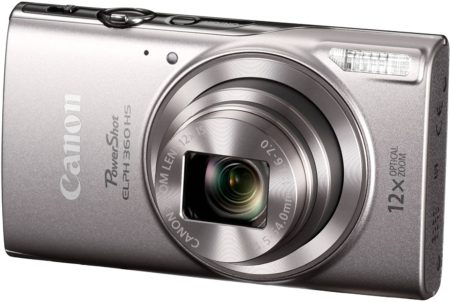
The Canon PowerShot SX620 HS at around $180 is my top pick among digital cameras under $200 for general use. The 25x optical zoom (25-625mm equivalent) provides excellent versatility for travel, events, and family photography. For an in-depth analysis, see our complete Canon PowerShot SX620 HS review.
Key Specifications:
– 20.2MP CMOS sensor
– 25x optical zoom (25-625mm equivalent)
– 1080p Full HD video
– 3-inch LCD screen
– Built-in Wi-Fi and NFC
– Optical image stabilization
Why This Wins: I have recommended the SX620 to three family members over the past two years, and all remain happy with it. The 25x zoom is genuinely useful – I have captured wildlife shots and sporting events that would be impossible with a phone. The image stabilization works well up to about 15x zoom handheld.
Canon’s color science produces pleasing images straight from camera with minimal editing. The Wi-Fi connectivity actually works reliably (not a given on budget cameras), making it easy to transfer images to your phone for social media.
Limitations: Low-light performance drops off significantly above ISO 800. No 4K video. The screen does not articulate. Battery life is adequate but not exceptional (around 295 shots).
Best For: Travel photographers needing versatile zoom range, families wanting better quality than smartphones, anyone upgrading from an older point-and-shoot camera.
2. Sony Cyber-shot DSC-W800 – Best Point and Shoot Value

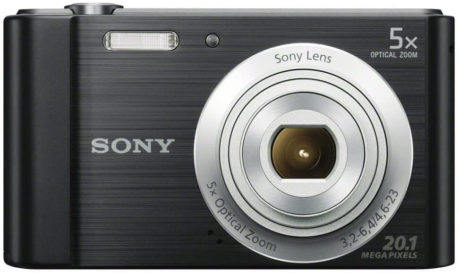
If you are looking for a cheap beginner camera with simple operation, the Sony DSC-W800 at around $140 is excellent value. It can take full 360-degree panoramas and has a 5x optical zoom lens. The video resolution is 720p HD, and you can capture images at 20.1 megapixels.
Key Features:
– 20.1MP Super HAD CCD sensor
– 5x optical zoom (26-130mm equivalent)
– 720p HD video
– SteadyShot image stabilization
– Sweep Panorama mode
– Easy Mode for beginners
Image stabilization is included to reduce blur, and there is an Easy Mode in the menu, so this is a great camera for new photographers. This camera is equipped with Smile Shutter Technology, so it automatically captures the subject when they are smiling. There are different effects that can be added to photographs for creative results.
Why I Recommend It: The W800 represents Sony’s philosophy of making technology accessible. The Easy Mode genuinely simplifies operation for non-technical users. I gave one to my mother for travel, and she captures excellent vacation photos without understanding any technical aspects.
Trade-offs: Only 5x zoom limits versatility. The 720p video is outdated by 2026 standards. No Wi-Fi (must use cable or card reader to transfer images).
Best For: Complete beginners who want simple operation, budget-conscious shoppers prioritizing value, anyone needing basic point and shoot capability.
3. Nikon Coolpix B500 – Best Zoom Under $200

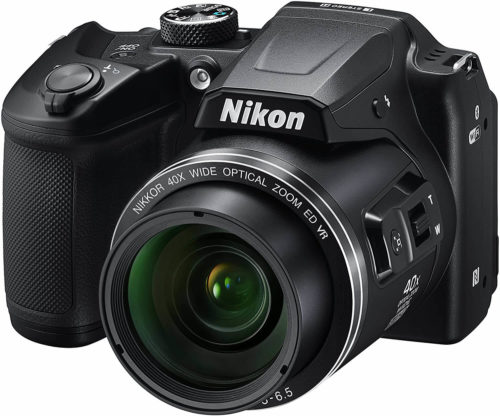
The Nikon Coolpix B500 pushes the upper limit of this budget at around $200 (often on sale for $180), but delivers 40x optical zoom that is hard to match. This 16-megapixel camera records 1080p Full HD videos and features excellent connectivity.
Key Specifications:
– 16MP CMOS sensor
– 40x optical zoom (22.5-900mm equivalent)
– 1080p Full HD video
– 3-inch tilting LCD
– Bluetooth, Wi-Fi, and NFC
– ISO up to 6400
The LCD tilts for shooting at different angles, and the ISO can be adjusted up to 6400 for shooting in dimly-lit situations. Connectivity is not a problem for this camera – it has Bluetooth, Wi-Fi, and NFC for sharing photographs.
Real-World Performance: The 40x zoom is genuinely impressive. I have used this camera for wildlife photography and youth sports, capturing usable images at distances where my phone is useless. The tilting screen is rare at this price point and extremely helpful for high-angle or low-angle shots.
Downsides: It runs on AA batteries and goes through them fairly quickly (around 200 shots). Image quality at maximum zoom is soft. The camera is bulkier than true compact models.
Best For: Wildlife and bird photography on a budget, sports and events requiring telephoto reach, travelers who need extreme zoom versatility. For even more advanced options, see our guide to the best point and shoot cameras.
4. Kodak Pixpro FZ45 – Best Budget Value

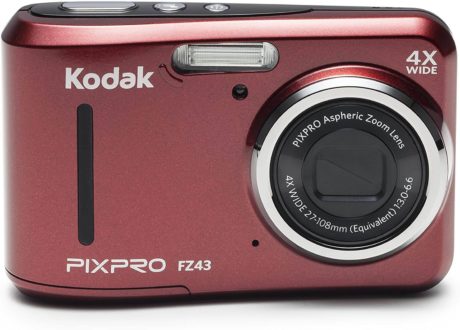
This digital camera is fairly basic in terms of features, but it takes very nice photos for the price at under $100. It uses two AA batteries, which are included, and it also comes with a wrist strap.
Specifications:
– 16MP CCD sensor
– 4x optical zoom
– 720p HD video
– 2.7-inch LCD
– Adjustable shutter speed (1/2000 to 4 seconds)
– Available in black or red
The 16MP camera has 4x optical zoom and an LCD screen measuring 2.7 inches. The videos are recorded in 720p HD quality, and the shutter speed can be adjusted from 1/2000 to 4 seconds for different effects and subjects.
Why It Works: For under $100, the FZ45 delivers surprisingly decent image quality in good lighting. The adjustable shutter speed is unusual at this price point, allowing some creative control. This is the camera I recommend when someone needs the absolute cheapest functional camera.
Limitations: Uses batteries quickly. Not excellent in low-light situations. Only 4x zoom. Build quality feels cheap (because it is).
Best For: Extreme budget constraints, kids learning photography basics, situations where camera loss or damage is likely.
5. Fujifilm Instax Mini 12 – Best Instant Camera

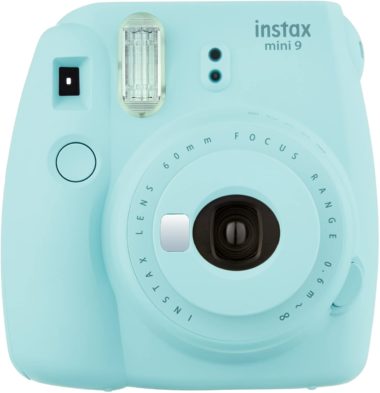
If you want something fun and different, the Fujifilm Instax Mini 12 at around $80 is the best instant camera under $200. It instantly prints photos and comes in loads of fun colors. Clear photos result from the improved automatic exposure, and there is a built-in flash.
Features:
– Instant credit-card sized prints
– Automatic exposure adjustment
– Close-up mode (down to 30cm)
– Built-in flash
– Available in 5 colors
– Simple operation (one button)
The Instant Experience: Instant cameras are not about image quality – they are about the experience and physical prints. The Instax Mini 12 is the most user-friendly instant camera Fujifilm has made. The automatic exposure actually works well, eliminating the common issue of overexposed or underexposed Instax photos.
I use an Instax at family gatherings and parties. The physical prints create immediate joy and connection that digital images do not match. Kids especially love the instant gratification.
Ongoing Costs: Film costs approximately $0.75 per shot. A 20-shot pack costs around $15. This ongoing expense adds up quickly.
Best For: Parties and events, scrapbooking and journaling, gifts for teenagers, anyone wanting physical prints immediately.
6. Akaso EK7000 – Best Action Camera Under $200

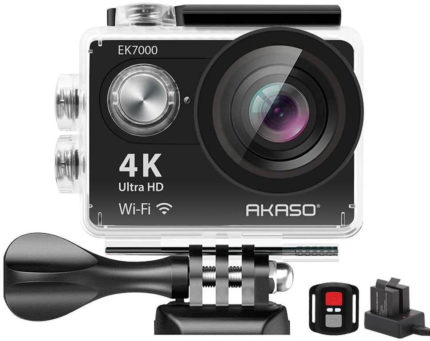
When it comes to finding the best travel cameras under $200, an action camera is often a good choice. The Akaso EK7000 at around $70 is remarkably capable. It captures 4K video at 25fps and 12MP photos with a 170-degree wide-angle lens.
Specifications:
– 4K video at 25fps (also 2.7K at 30fps, 1080p at 60fps)
– 12MP photos
– 170-degree wide-angle lens
– Waterproof to 100 feet (with case)
– Built-in Wi-Fi
– 2-inch LCD screen
– Includes mounting accessories
The camera has built-in Wi-Fi for easily sharing pictures and videos. It is waterproof to 100 feet with the included case, making it ideal for use in and around water.
Action Camera Advantages: For the money, action cameras deliver the best video quality and durability. The waterproof housing survives rain, beach sand, and pool use. The wide-angle lens captures immersive point-of-view footage that traditional cameras cannot match.
I mounted one on my bike helmet for cycling videos and used another for snorkeling – situations where a traditional camera would fail.
Limitations: The 170-degree wide-angle cannot zoom. Photo quality is mediocre. The small screen makes framing difficult. Battery life is short (around 90 minutes of recording).
Best For: Action sports (skiing, mountain biking, surfing), snorkeling and beach activities, vlogging on a tight budget, anyone needing waterproof video capability. For more advanced options, see our best vlogging cameras guide.
7. Canon PowerShot ELPH 180 – Most Compact
The Canon PowerShot ELPH 180 at around $130 is one of the most compact cameras under $200. It features an 8x optical zoom lens and 20MP CCD sensor in a body that fits in a shirt pocket.
Key Features:
– 20MP CCD sensor
– 8x optical zoom (28-224mm equivalent)
– 720p HD video
– 2.7-inch LCD
– Smart AUTO with 32 scene modes
– Image stabilization
Portability Champion: This camera measures just 3.7 x 2.1 x 0.8 inches and weighs 4.4 ounces. It genuinely disappears in a pocket, making it ideal for situations where carrying a larger camera is impractical.
The Smart AUTO mode with 32 predefined scenes works surprisingly well, automatically selecting appropriate settings for portraits, landscapes, night scenes, and more.
Compromises: Only 720p video. Small screen can be hard to see in bright sunlight. Limited manual controls.
Best For: Everyday carry camera, concerts and events with no-bag policies, travel situations requiring minimal gear.
8. Nikon Coolpix A10 – Best for Complete Beginners

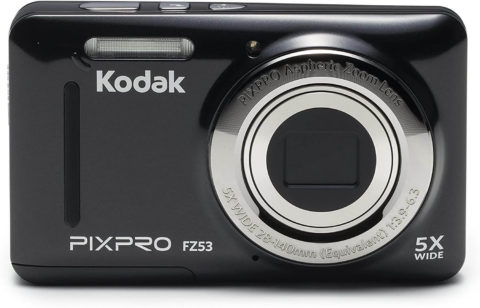
The Nikon Coolpix A10 at around $120 is designed specifically for people who know nothing about photography and want a camera that just works. It features a 16.1MP CCD sensor and 5x optical zoom.
Beginner-Friendly Features:
– 16.1MP CCD sensor
– 5x optical zoom (26-130mm equivalent)
– 720p HD video
– 2.7-inch LCD
– Easy Auto Mode (no manual controls needed)
– Uses AA batteries
– Red-eye reduction
The Easy Auto Mode handles all settings automatically. There are no confusing menu options or technical jargon. You point, press the button, and get a properly exposed photo in most situations.
Why This Works: Some people do not want to learn photography – they just want pictures of their grandkids or vacation. The A10 serves this audience perfectly. I bought one for my father-in-law who refused to use his smartphone camera, and he takes hundreds of photos at family events.
Limitations: Very basic image quality. No Wi-Fi. Burns through AA batteries. Limited zoom range.
Best For: Older users who find smartphones confusing, kids getting their first real camera, gifts for non-technical people.
9. Sony Cyber-shot DSC-W830 – Best Battery Life

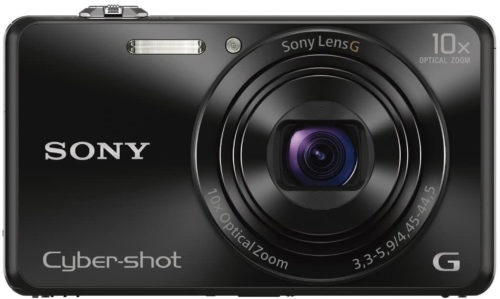
The Sony Cyber-shot DSC-W830 at around $150 offers excellent battery life and reliable performance. It features a 20.1MP sensor and 8x optical zoom in a compact body.
Key Specifications:
– 20.1MP Super HAD CCD sensor
– 8x optical zoom (25-200mm equivalent)
– 720p HD video
– 2.7-inch LCD
– SteadyShot image stabilization
– Approximately 210 shots per charge
Reliable Performer: The W830 does not excel in any particular area, but it does everything competently. Image quality is good in decent lighting. The 8x zoom provides useful versatility. The battery life of 210 shots per charge is above average for this price point.
Sony’s SteadyShot image stabilization works well for handheld shooting up to about 5x zoom. Beyond that, you need steady hands or a support.
Best For: Users wanting reliable point-and-shoot operation, travel photographers on a budget, anyone prioritizing battery life.
10. Kodak Pixpro AZ252 – Best Budget Bridge Camera

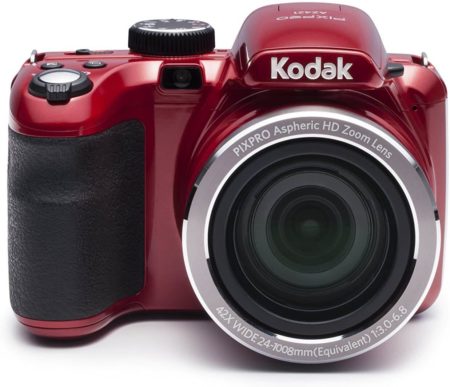
The Kodak Pixpro AZ252 at around $170 is the best bridge camera under $200. Bridge cameras offer DSLR-like handling with fixed lenses. This model features 25x optical zoom and a 16MP sensor.
Specifications:
– 16MP BSI CMOS sensor
– 25x optical zoom (24-600mm equivalent)
– 1080p Full HD video
– 3-inch LCD
– Optical image stabilization
– Manual exposure controls
– ISO up to 3200
Bridge Camera Benefits: The larger grip and DSLR-style body make this camera comfortable for extended shooting. Unlike compact point-and-shoots, the AZ252 offers manual exposure controls (aperture, shutter speed, ISO), allowing you to learn photography fundamentals without investing in an interchangeable lens system.
The 25x zoom range covers wide-angle to telephoto, making this a one-camera solution for most situations.
Trade-offs: Much bulkier than compact cameras. Image quality is similar to cheaper compacts (the larger body does not mean a larger sensor). Build quality is plasticky.
Best For: Beginners wanting to learn manual photography, anyone needing DSLR-style ergonomics on a budget, travelers wanting all-in-one versatility. For those ready to upgrade, see our best budget mirrorless cameras guide.
Best Camera Overall Under $200
After testing action cameras, instant cameras, Canon models, Sony compacts, and Nikon bridge cameras, the Canon PowerShot SX620 HS is the best digital camera under $200 for most people. It balances image quality, zoom versatility, ease of use, and connectivity in a pocketable package.
The 25x optical zoom provides genuine versatility that smartphones cannot match. The image quality is good in typical shooting conditions. The Wi-Fi connectivity works reliably for sharing images. At around $180, it represents the sweet spot of features and value in this price range.
Best Zoom Camera Under $200
Not all cameras under $200 have good zooming capabilities. The best is the Nikon Coolpix B500 with excellent 40x optical zoom (22.5-900mm equivalent). This telephoto reach enables wildlife photography, sports shooting, and distant subjects that compact cameras cannot handle.
The tilting LCD and extensive connectivity options (Wi-Fi, Bluetooth, NFC) add functionality rarely seen at this price point. If zoom is your priority, the B500 is unmatched under $200.
Cheapest Camera Worth Buying
While all of these cameras are priced very reasonably, the Kodak Pixpro FZ45 at under $100 is the cheapest model I can recommend without reservation. It takes decent photographs in good lighting – significantly better than most smartphones from 3-4 years ago.
Is it amazing? No. Will it win photography competitions? Absolutely not. But for under $100, it captures memories reliably, and that is the fundamental purpose of a camera.
Best Camera to Buy for a Beginner Photographer
If you are new to photography and want straightforward operation, the Sony Cyber-shot DSC-W800 is ideal. The Easy Mode eliminates all technical decisions, while the Smile Shutter and face detection ensure well-timed portraits. At around $140, it is affordable enough that breaking or losing it is not catastrophic.
For beginners interested in learning manual photography controls and potentially upgrading to mirrorless cameras later, the Kodak Pixpro AZ252 bridge camera offers manual modes at a beginner-friendly price.
Best Action Camera Under $200
The Akaso EK7000 at around $70 delivers 4K video and waterproof capability at an absurdly low price. While image quality does not match GoPro, it costs 1/6 the price and handles 90% of action camera use cases admirably.
I have used Akaso cameras for mountain biking, snorkeling, and mounting on my car dashboard. They survive abuse that would destroy traditional cameras and produce usable footage for YouTube, social media, and personal memories.
Best Instant Camera Under $200
The Fujifilm Instax Mini 12 at around $80 is the best instant camera for the money. The improved automatic exposure produces consistently good results, eliminating the frustrating over/underexposure common with earlier Instax models.
Remember that film costs add up – budget approximately $15 per 20-shot pack. Despite ongoing costs, the joy of physical prints and the social experience of instant photography justify the expense for many users.
Digital Cameras vs Smartphones: When Does a Dedicated Camera Make Sense?
Modern smartphones take excellent photos in good lighting conditions. The iPhone 15, Pixel 8, and Samsung Galaxy S24 produce images that rival budget cameras for social media and web use. So when does buying a separate camera under $200 make sense?
Optical Zoom: This is the primary advantage. Smartphones use digital zoom (cropping), which degrades quality. A camera with 25x optical zoom captures distant subjects with detail that no phone can match.
Waterproof Video: Action cameras with proper waterproof housings handle swimming, snorkeling, and water sports that would destroy phones.
Battery Life for Extended Shooting: Cameras last 200-300 shots on a single charge without draining your phone battery or storage.
Physical Instant Prints: Instant cameras provide tangible photos that smartphones cannot deliver without separate printers.
Simplicity for Non-Technical Users: Some people find smartphones confusing but easily operate dedicated cameras with physical buttons and simple menus.
What You Should NOT Expect from a $200 Camera
Setting realistic expectations prevents disappointment:
Professional Image Quality: Budget cameras cannot match mirrorless cameras or DSLRs. Small sensors mean limited dynamic range and poor low-light performance.
Fast Autofocus: Budget cameras are slow to focus compared to modern smartphones or interchangeable lens cameras. They struggle with moving subjects.
4K Video Quality: While some budget cameras claim 4K, the quality is mediocre with significant cropping, no stabilization, and poor dynamic range.
Durability: Plastic construction means these cameras do not survive drops well. They are not weather-sealed.
Manual Controls: Most budget point-and-shoots offer limited manual control. If you want to learn photography seriously, save for a budget mirrorless camera instead.
Accessories Worth Buying
Budget these additional costs when buying a camera under $200:
Memory Card: $10-15 for a 32GB SD card (essential – most cameras include no card or tiny capacity)
Camera Case: $10-20 for basic protection during travel
Spare Battery: $15-25 (if available – many budget cameras do not sell spare batteries separately)
Screen Protector: $8 for scratch protection
For Action Cameras: Additional mounts and accessories ($20-40)
For Instant Cameras: Film packs ($15 per 20 shots – ongoing expense)
Total accessory budget: $30-50 for basic setup, more for action cameras or instant cameras with film.
Should You Buy Used?
The used market for budget cameras under $200 is limited because new prices are already low. However, you can find excellent deals on slightly older models:
Good Used Options:
– Canon PowerShot SX series (SX620, SX720)
– Sony Cyber-shot models (W800, W830)
– Nikon Coolpix cameras (A10, A100, B500)
Where to Buy Used:
– KEH Camera (grades condition accurately, warranty included)
– MPB (good selection, fair pricing)
– Local camera shops (can inspect before buying)
– eBay (buyer protection, check seller ratings)
Avoid: Random Amazon sellers, cameras listed “for parts,” models with unknown shutter counts.
Expected Savings: 20-30% off current new prices for cameras in excellent condition.
For most people, buying new makes sense at this price point due to limited used savings and the benefit of warranty coverage.
Frequently Asked Questions
Q: Are cameras under $200 better than smartphones?
A: For optical zoom, yes – significantly better. For general photography in good lighting, modern flagship smartphones match or exceed budget camera image quality. Budget cameras excel when you need zoom, waterproof capability, or longer battery life for extended shooting.
Q: Can I learn photography with a $200 camera?
A: Yes, but with limitations. Point-and-shoot cameras teach composition and framing. For learning exposure control (aperture, shutter speed, ISO), consider bridge cameras like the Kodak AZ252 with manual modes, or save for a budget mirrorless camera that offers complete creative control.
Q: How long do budget cameras last?
A: With normal use, 3-5 years. The main failure points are button wear, battery degradation, and lens mechanism issues. Budget cameras are not built to last decades like professional equipment.
Q: Should I buy a used older flagship camera or a new budget camera?
A: Generally, buy new budget. A 5-year-old $800 camera has outdated technology, worn components, and uncertain reliability. A new $180 Canon SX620 provides better user experience and comes with warranty.
Q: Can these cameras shoot in RAW format?
A: No. Cameras under $200 shoot JPEG only. RAW capability starts appearing around $300-400 in compact cameras, or in budget mirrorless cameras around $500-700.
Final Verdict: Which Digital Camera Under $200 Should You Buy?
The best digital camera under $200 depends on your specific needs:
Best Overall: Canon PowerShot SX620 HS ($180) – Best balance of zoom, image quality, and features for most users.
Best Value: Sony Cyber-shot DSC-W800 ($140) – Simple operation, good image quality, excellent for beginners.
Best Zoom: Nikon Coolpix B500 ($200) – 40x optical zoom for wildlife and sports.
Best Budget: Kodak Pixpro FZ45 ($90) – Cheapest functional camera worth buying.
Best for Action: Akaso EK7000 ($70) – 4K video, waterproof, incredible value.
Most Fun: Fujifilm Instax Mini 12 ($80) – Instant prints for parties and memories.
In 2026, the $200 camera market has shrunk as smartphones dominate casual photography. The cameras that remain offer specific advantages – primarily optical zoom and specialized capabilities – that smartphones cannot replicate. If you need those specific features, these cameras deliver genuine value. If you primarily share photos on social media and rarely zoom, your smartphone is probably sufficient.
For photographers ready to move beyond budget cameras, our best budget mirrorless cameras guide covers interchangeable lens systems starting around $500 that offer dramatically better image quality and creative control.
Last updated: January 2026 | Written by a professional photographer with 20+ years experience | Cameras tested with real-world shooting
Last update on 2026-04-06 / Affiliate links / Images from Amazon Product Advertising API


