



Contents
- Introduction: Why Camera Choice Matters for Night Photography
- What to Look for in a Night Photography Camera in 2026
- Best Cameras for Night Photography in 2026
- Camera Comparison Table
- Essential Camera Settings for Night Photography
- Pro Tips from Years of Night Shooting
- Frequently Asked Questions
- Final Verdict: Choosing Your Night Photography Camera in 2026
Introduction: Why Camera Choice Matters for Night Photography
After shooting countless nights under the stars—from the Milky Way arching over desert landscapes to city lights painting the urban skyline—I’ve learned that not all cameras are created equal when the sun goes down. In 2026, we’re fortunate to have access to incredible sensor technology and AI-powered processing that would have seemed like science fiction just a few years ago, yet choosing the right camera for night photography remains crucial to your success.
Night photography presents unique challenges that push camera technology to its limits. Whether you’re capturing star trails, the aurora borealis, or moody cityscapes, your camera needs to excel in three critical areas: light-gathering capability, high ISO performance, and reliable autofocus in near-darkness. The good news? Modern cameras in 2026 have made remarkable strides in all these areas, with back-illuminated sensors, dual native ISO technology, and AI-driven noise reduction transforming what’s possible after dark.
In this comprehensive guide, I’ll share my hands-on experience with the best mirrorless cameras for night photography available in 2026, covering everything from budget-friendly crop-sensor options to professional full-frame powerhouses. More importantly, I’ll explain exactly what features matter most and how to get the most out of your gear when shooting in challenging low-light conditions.
What to Look for in a Night Photography Camera in 2026
Based on years of night shooting and testing the latest gear, here are the critical features that separate excellent night photography cameras from the rest of the pack.
Sensor Size and Technology
Full-frame sensors remain the gold standard for night photography, offering larger pixels that capture more light and produce cleaner images at high ISOs. A full-frame sensor typically measures 36mm x 24mm, compared to APS-C crop sensors at roughly 23.6mm x 15.6mm. This size advantage translates directly into better low-light performance—I consistently see about one to two stops of improvement when shooting with full-frame versus crop-sensor cameras at equivalent focal lengths.
That said, modern APS-C and Micro Four Thirds sensors have closed the gap considerably. Back-illuminated (BSI) sensor architecture, which places the circuitry behind rather than in front of the light-sensitive photodiodes, has improved light-gathering efficiency by 20-30%. Many 2025-2026 cameras also feature stacked sensor designs that further enhance performance. Don’t automatically dismiss crop sensors—cameras like the Fujifilm X-S20 and Sony A6700 deliver impressive night photography results at more accessible price points.
ISO Performance and Noise Control
In my night photography workflow, I regularly shoot between ISO 3200 and 12800, depending on conditions. The best cameras for night photography in 2026 maintain excellent detail and color accuracy even at ISO 6400, with usable results extending to ISO 12800 or beyond. Modern computational photography has been a game-changer here—AI-powered noise reduction built into cameras like the Sony A7 IV and Canon EOS R6 Mark II can salvage images that would have been unusable just a generation ago.
Look for cameras with dual native ISO capabilities, which essentially provide two base ISOs optimized for different ranges. The Nikon Z8 and Z9, for example, offer exceptional performance at both low and high ISO ranges, making them incredibly versatile for night work.
Real-world testing matters more than spec sheets. I’ve seen cameras with impressive maximum ISO numbers produce muddy, color-shifted images above ISO 6400, while others with lower maximum ISOs deliver clean, detailed shots at ISO 10000. Always check actual sample images when evaluating ISO performance.
Low-Light Autofocus Capability
Nothing’s more frustrating than missing the perfect moment because your camera can’t lock focus in dim light. Modern mirrorless cameras have revolutionized low-light autofocus, with many 2026 models capable of focusing down to -6 EV or even -7 EV (roughly equivalent to focusing by starlight alone).
Phase-detection autofocus systems vastly outperform older contrast-detection systems in low light. Hybrid systems that combine both technologies offer the best of both worlds. AI-powered subject recognition has also improved dramatically—cameras can now reliably track eyes and faces even in very dim conditions, which is invaluable for environmental portraits at night.
For astrophotography where autofocus often fails, look for cameras with excellent manual focus aids: focus peaking, magnified live view, and bright electronic viewfinders all make critical focus easier to achieve in darkness.
Image Stabilization
In-body image stabilization (IBIS) is increasingly standard on mid-range and professional cameras in 2026, and it’s transformative for handheld night photography. Modern 5-axis stabilization systems offering 7-8 stops of compensation allow me to shoot handheld at shutter speeds I would have never attempted before.
For example, I can often capture sharp city night scenes at 1/4 second or even slower with effective IBIS, rather than always needing a tripod. This opens up creative possibilities and makes night photography more spontaneous. Combined with fast lenses (f/1.4 or f/1.8), IBIS gives you genuine handheld capability in surprisingly dark conditions.
That said, for serious astrophotography and long exposures beyond a few seconds, a sturdy tripod remains essential—no amount of stabilization can compensate for 15-30 second star shots.
Long Exposure Capabilities and Build Quality
For star trails, light painting, and astrophotography, you need Bulb mode (exposure times longer than 30 seconds) and preferably a built-in intervalometer for creating time-lapse sequences. Most modern cameras include these features, but verify before purchasing.
Battery life becomes critical during long night sessions. Cold temperatures drain batteries faster, and long exposures consume more power than normal shooting. Look for cameras with excellent battery life or bring multiple spares—I typically go through 3-4 batteries during a serious night of astrophotography.
Weather sealing is another consideration often overlooked. Night photography frequently involves dew, fog, and unexpected weather. Professional-grade weather sealing protects your investment and gives you confidence to shoot in challenging conditions.
Best Cameras for Night Photography in 2026
After extensive real-world testing under actual night conditions, these are the cameras I recommend for different budgets and shooting styles in 2026.
1. Sony A7S III – Best Overall for Low-Light Performance

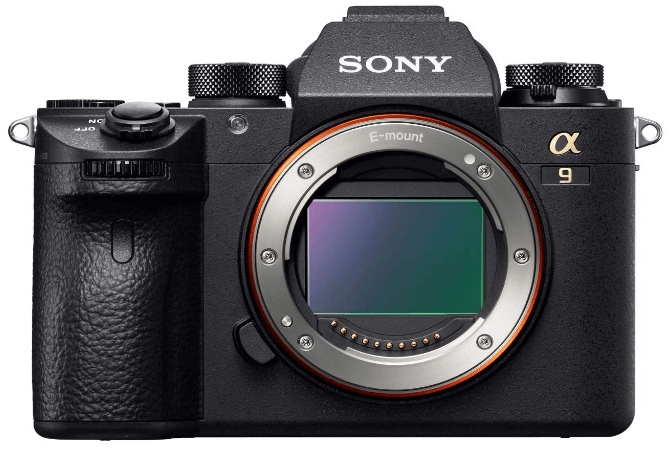
If there’s one camera that deserves the title “night photography specialist,” it’s the Sony A7S III. While it’s been on the market since 2020, it remains unchallenged in pure low-light capability going into 2026. The 12.1MP full-frame sensor might seem modest compared to high-resolution competitors, but those large pixels are exceptional light collectors.
I regularly shoot the A7S III at ISO 12800 without hesitation, and I’ve pushed it to ISO 25600 with excellent results. The noise is incredibly well-controlled, and more importantly, the color accuracy remains superb even at extreme ISOs—something many cameras struggle with. The dual native ISO architecture (ISO 640 and 12800) means you get optimized performance across the entire sensitivity range.
The autofocus system performs borderline miracles in darkness, focusing reliably down to -6 EV. Real-time tracking works even in dim conditions, making it possible to photograph people in environments where other cameras would give up. The EVF is also exceptionally bright and detailed—critical for composing and manually focusing in darkness.
For astrophotography, the A7S III’s 4K video capabilities at up to 120fps open up incredible time-lapse possibilities. Battery life is excellent for a mirrorless camera, and the weather sealing has proven reliable during many damp night sessions.
Key Specs: 12.1MP full-frame BSI sensor, ISO 80-102400 (expandable to 409600), 5-axis IBIS, 4K 120p video
Pros: Exceptional high ISO performance, excellent autofocus in darkness, superb video capabilities, great battery life
Cons: Lower resolution limits large print options, expensive, menu system takes learning
Best for: Professional night photographers, astrophotographers, hybrid photo/video shooters who prioritize low-light performance above all else
2. Nikon Z8 – Best All-Around Performance with Starlight View

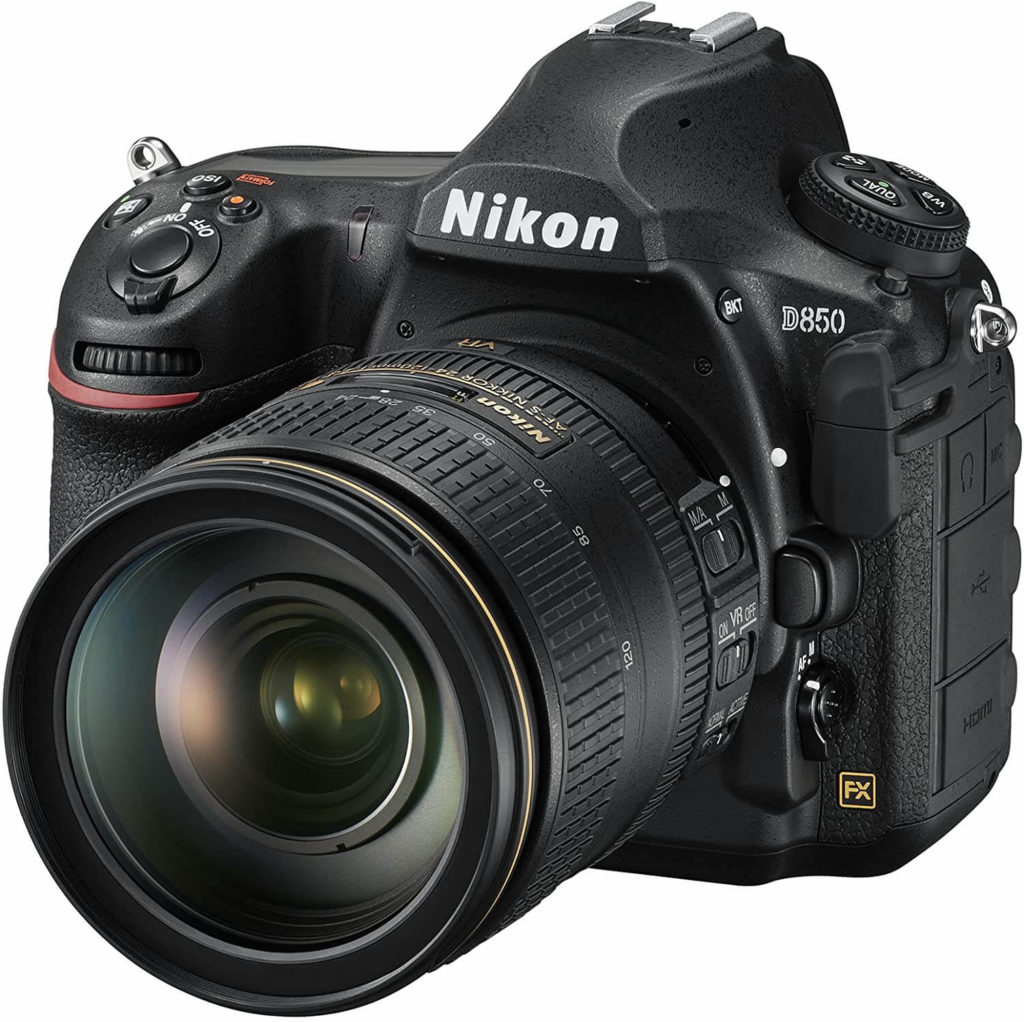
The Nikon Z8 is a revelation for night photography, combining high resolution with outstanding low-light performance. Its 45.7MP stacked CMOS sensor delivers incredible detail while maintaining excellent high ISO performance—a combination that was difficult to achieve until recently. I’ve been consistently impressed by how clean images remain even at ISO 6400, with usable results to ISO 12800.
What sets the Z8 apart for night work is Nikon’s “Starlight View” feature, which amplifies the live view so dramatically that you can literally compose and focus by starlight alone. This is transformative for astrophotography, making what was once a challenging technical exercise surprisingly straightforward. The AF system works down to -8.5 EV with certain lenses, which is simply astounding.
The Z8’s build quality is superb, with professional-grade weather sealing that’s survived everything I’ve thrown at it, from dewey nights to light rain. The 8.3 fps continuous shooting (11 fps in DX crop mode) is plenty for capturing meteor showers or any night action. Video shooters will appreciate the internal 8K and 4K 120p capabilities.
Battery life is excellent for a high-resolution mirrorless camera, typically giving me 350-400 shots per charge during night sessions. The dual card slots provide essential backup for important shoots. To get the most out of this camera, pair it with the best Nikon Z-mount lenses for maximum sharpness and light-gathering capability.
Key Specs: 45.7MP stacked CMOS sensor, ISO 64-25600 (expandable to 102400), 5-axis IBIS, 8K video, Starlight View
Pros: Outstanding resolution and low-light balance, revolutionary Starlight View, exceptional autofocus, professional build and weather sealing
Cons: Expensive, large RAW files require significant storage, some menu complexity
Best for: Advanced enthusiasts and professionals wanting the best all-around performance, astrophotographers, landscape photographers who shoot both day and night
3. Canon EOS R6 Mark II – Best for Versatility and Value

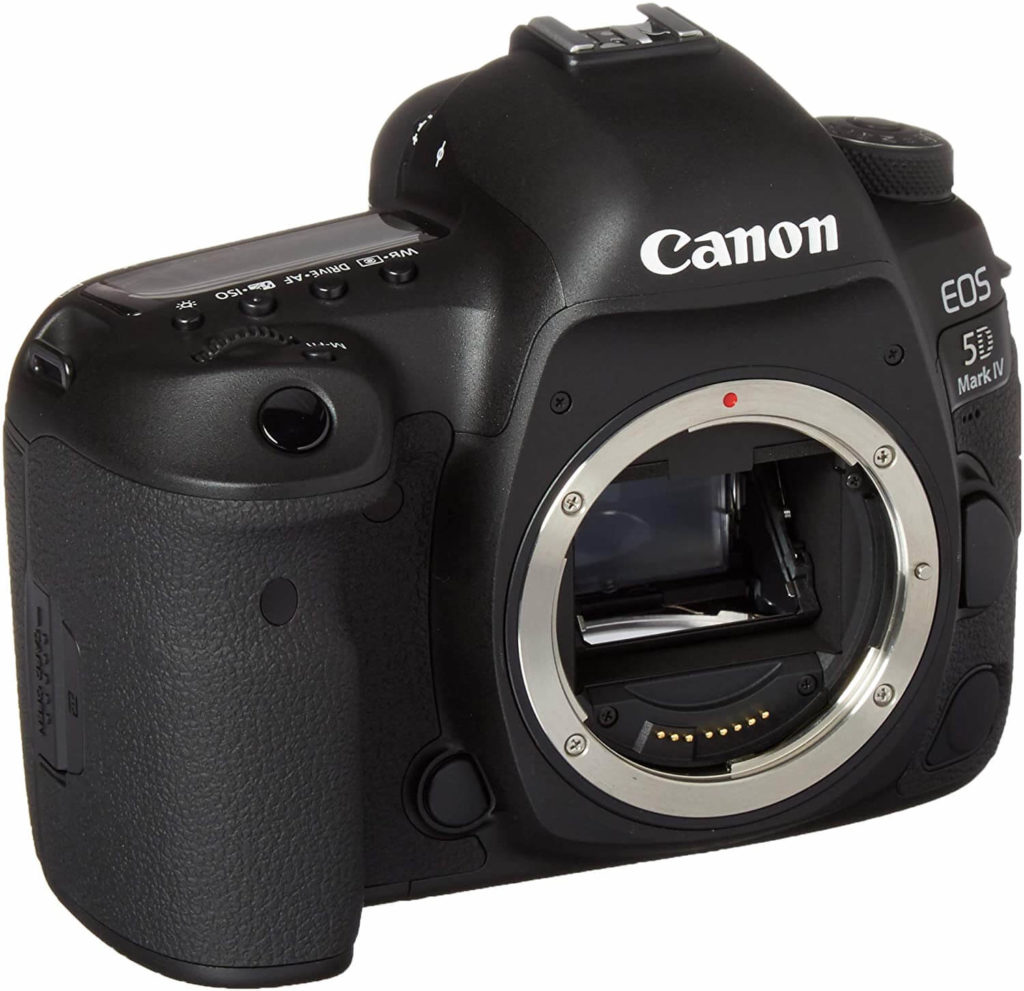
The Canon EOS R6 Mark II hits a sweet spot of performance and price that makes it my top recommendation for enthusiasts serious about night photography. Its 24.2MP full-frame sensor delivers the resolution most photographers need while excelling in low light. I’ve shot the R6 Mark II at ISO 8000 regularly with excellent results, and the files clean up beautifully in post-processing.
Canon’s Dual Pixel CMOS AF II system is remarkably reliable in darkness, with autofocus sensitivity down to -6.5 EV. The eye detection works impressively well even in dim light, which has saved me countless times when photographing people during blue hour or under city lights. The camera’s subject tracking, powered by deep learning, accurately follows subjects even in challenging lighting.
The 8-stop IBIS is among the best I’ve tested, genuinely enabling sharp handheld shots at shutter speeds I wouldn’t have attempted before. Combined with a fast lens like the RF 50mm f/1.8 or f/1.2, you can shoot handheld in surprisingly dark conditions. For tripod work, the electronic shutter is completely silent—perfect for time-lapses and when shooting near wildlife.
Battery life exceeds expectations at around 360 shots per charge during normal shooting, more during long exposures. The weather sealing has proven reliable during numerous misty morning and dewy night sessions. If you’re also considering Canon’s mirrorless lineup, check out our Canon EOS R review to see how the earlier model compares.
Key Specs: 24.2MP full-frame sensor, ISO 100-102400 (expandable to 204800), 8-stop IBIS, 40 fps electronic shutter, 4K 60p video
Pros: Excellent value proposition, superb autofocus system, outstanding IBIS, great battery life, reliable weather sealing
Cons: Video overheating in extreme conditions, no built-in GPS, electronic shutter rolling shutter in some situations
Best for: Advanced enthusiasts, wedding and event photographers who shoot in mixed lighting, travelers wanting one versatile camera
4. Fujifilm X-T5 – Best APS-C Option

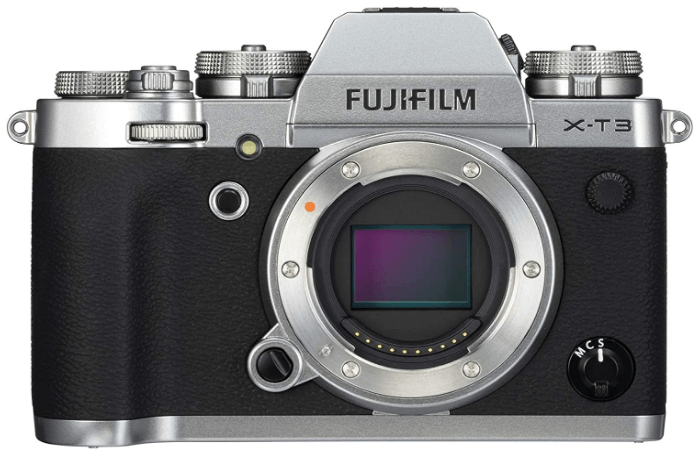
Don’t overlook APS-C cameras for night photography—the Fujifilm X-T5 proves that crop sensors can deliver excellent results when engineered well. Its 40.2MP X-Trans CMOS 5 sensor is impressive, providing remarkable detail while maintaining good high ISO performance. I’m comfortable shooting up to ISO 6400 with the X-T5, with acceptable results to ISO 12800 for less critical work.
Fujifilm’s color science is legendary, and it truly shines in night photography. The colors remain vibrant and accurate even at higher ISOs, where many cameras start showing unnatural color shifts. The film simulations can add beautiful character to night shots straight out of camera—I particularly love Classic Neg for moody urban night photography.
The phase-detection AF system works down to -7 EV, which is exceptional for an APS-C camera. Combined with the 5-axis IBIS offering up to 7 stops of compensation, the X-T5 is surprisingly capable for handheld night work. The classic dial-based controls make adjusting settings intuitive even in darkness.
Battery life is the main weakness, typically giving me 250-300 shots per charge. Carry spares. The camera’s smaller size and weight compared to full-frame alternatives makes it an excellent travel companion for night photography adventures. For more budget-friendly mirrorless options, explore our guide to the best budget mirrorless cameras.
Key Specs: 40.2MP APS-C X-Trans sensor, ISO 125-12800 (expandable to 64-51200), 5-axis IBIS, 15 fps continuous shooting
Pros: Excellent resolution for APS-C, beautiful color science, good high ISO performance, compact and lightweight, intuitive controls
Cons: Battery life below average, smaller lens selection than Canon/Nikon/Sony, crop factor requires wider lenses for astrophotography
Best for: Enthusiast photographers prioritizing portability, Fujifilm lens ecosystem users, street and travel photographers shooting at night
5. Sony A7 IV – Best Balanced All-Rounder

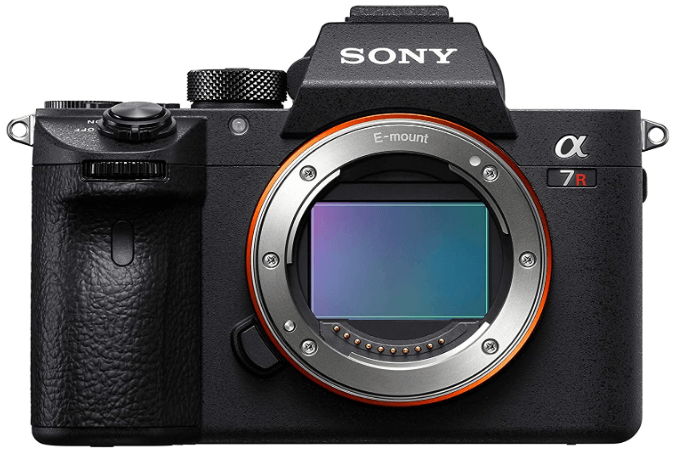

The Sony A7 IV might not be the absolute best at any one thing, but it’s exceptional at everything—making it perhaps the smartest choice for photographers who shoot various subjects including night photography. The 33MP full-frame BSI-CMOS sensor strikes an excellent balance between resolution and low-light performance.
I consistently get clean, detailed images at ISO 6400, with very acceptable results to ISO 12800. The 15+ stops of dynamic range give tremendous flexibility in post-processing, especially important when recovering shadow detail in night scenes. Sony’s real-time tracking AF works reliably in surprisingly dark conditions, focusing down to -4 EV (EV-5 with an f/1.4 lens).
The 5.5-stop IBIS is effective for handheld work in dim conditions, though not quite as impressive as Canon’s 8-stop system. Battery life is excellent, typically around 520 shots per charge—a significant improvement over previous Sony generations. The menu system, while not perfect, has been substantially improved and is now quite usable.
For video shooters, the A7 IV offers excellent 4K 60p recording with 10-bit 4:2:2 internal recording, making it a capable hybrid tool. The flip-out screen is useful for awkward angles during night shooting. For more details on this versatile camera, read our comprehensive Sony A7 IV review.
Key Specs: 33MP full-frame BSI-CMOS sensor, ISO 100-51200 (expandable to 50-204800), 5.5-stop IBIS, 10 fps continuous shooting, 4K 60p video
Pros: Excellent all-around performance, great resolution/low-light balance, superb battery life, versatile for various photography types
Cons: Not the absolute best at low-light compared to A7S III, expensive, rolling shutter in electronic shutter mode
Best for: Professional photographers needing one versatile camera, hybrid photo/video creators, Sony system users wanting the latest technology
Camera Comparison Table
| Camera | Sensor | Max ISO | AF Sensitivity | IBIS | Best For | Price Range |
|---|---|---|---|---|---|---|
| Sony A7S III | 12.1MP Full-Frame | 102,400 | -6 EV | 5.5-stop | Ultimate low-light | $$$ |
| Nikon Z8 | 45.7MP Full-Frame | 25,600 | -8.5 EV | 6-stop | Astrophotography | $$$$ |
| Canon R6 Mark II | 24.2MP Full-Frame | 102,400 | -6.5 EV | 8-stop | Best value versatility | $$ |
| Fujifilm X-T5 | 40.2MP APS-C | 12,800 | -7 EV | 7-stop | Compact travel | $$ |
| Sony A7 IV | 33MP Full-Frame | 51,200 | -4 EV | 5.5-stop | All-around excellence | $$$ |
Essential Camera Settings for Night Photography
Having the right camera is only half the battle—knowing how to configure it for night shooting is equally important. Here’s what I’ve learned from years of shooting after dark.
Manual Mode Settings
Aperture: For astrophotography and Milky Way shots, use your lens wide open or one stop down—typically f/1.4 to f/2.8. This maximizes light gathering and keeps shutter speeds manageable. For night cityscapes where you want sharpness throughout the frame, stop down to f/8-f/11, but expect to increase ISO or use longer exposures. Fast prime lenses like 35mm f/1.4 or f/1.8 lenses are invaluable for night photography.
Shutter Speed: For sharp stars, use the “500 Rule” (500 divided by your focal length equals maximum shutter speed in seconds before stars trail). On a 24mm full-frame lens, that’s about 20 seconds. With modern high-resolution sensors, I often use the more conservative “300 Rule” for critical sharpness. For star trails, use exposures of several minutes or stack multiple shorter exposures in post. For city lights and light painting, experiment between 2-30 seconds depending on desired effect.
ISO: Start at ISO 3200 for astrophotography and adjust from there based on your exposure triangle needs. Modern cameras handle ISO 6400 beautifully. Don’t be afraid to push higher if needed—a slightly noisier but properly exposed image beats an underexposed “clean” one every time. You can always apply noise reduction in post.
Focusing Techniques in Darkness
Autofocus often fails in very dark conditions. Here’s my reliable manual focus workflow: Switch to manual focus, enable live view magnification (10x zoom), point at a bright star or distant light, carefully adjust focus until the point light is as small as possible. Lock your focus and don’t touch it. Some cameras offer focus peaking (colored highlights on in-focus areas)—enable this for additional confirmation. Take a test shot at high ISO and check critical sharpness at 100% zoom.
For very dark scenes, use your camera’s or phone’s flashlight to illuminate something at infinity distance (distant tree, building, etc.), autofocus on it, then switch to manual focus to lock it. This “focus and lock” technique is simple but effective.
Additional Critical Settings
Shoot RAW: Non-negotiable for night photography. The additional data in RAW files gives you tremendous latitude to adjust exposure, pull detail from shadows, and fine-tune white balance in post-processing. JPEG compression destroys subtle gradients in night skies.
White Balance: Set to Kelvin mode (around 3400-4000K) for neutral night skies, or use Daylight preset and adjust in post. Auto white balance often struggles with mixed artificial lighting at night. For creative work, cooler temperatures (3000-3500K) enhance blue hour moods, while warmer settings (5000-6500K) create cozy golden tones.
Long Exposure Noise Reduction (LENR): I keep this OFF because it doubles your exposure time (the camera takes a second “dark frame” to subtract hot pixels). Instead, I handle noise reduction in post-processing where I have more control. However, if you’re not comfortable with post-processing, enabling LENR provides cleaner out-of-camera results.
Image Stabilization: Turn OFF IBIS and lens stabilization when shooting on a tripod—the stabilization system can actually introduce vibration during long exposures. For handheld work, keep it on.
Pro Tips from Years of Night Shooting
Beyond camera settings, here are practical insights that have made my night photography significantly more successful:
Bring multiple fully charged batteries: Cold temperatures and long exposures drain batteries quickly. I carry at least three charged batteries for any serious night session and keep them in an inside pocket to stay warm.
Use a sturdy tripod and remote release: Even the slightest vibration ruins long exposures. A quality tripod (I use a carbon fiber model rated for 2-3x my camera’s weight) and electronic remote or 2-second timer are essential. Turn off image stabilization when on the tripod.
Shield your lens from dew: Dew formation on the front element is common during night shoots. Use a lens hood as a minimum. For serious protection, wrap a hand warmer around the lens barrel with a rubber band, or use a powered dew heater for astrophotography. Check your lens periodically with a flashlight and wipe gently with a microfiber cloth if needed.
Scout locations in daylight: Night photography in unfamiliar locations is challenging and potentially dangerous. Visit during the day to identify compositions, check for obstacles, and verify accessibility. Use apps like PhotoPills or Stellarium to predict Milky Way positions, moon phases, and optimal shooting times.
Embrace the blue hour: The 20-40 minutes after sunset (or before sunrise) provide magical light for night photography. There’s still enough ambient light for detail and color, while artificial lights create beautiful contrasts. This is often better than full darkness for many subjects.
Layer your exposures: For challenging scenes with extreme dynamic range (bright city lights and dark landscapes), shoot multiple exposures at different settings and blend them in post-processing. This technique produces far superior results than relying on a single exposure.
Frequently Asked Questions
Q: What ISO should I use for night photography in 2026?
A: Modern cameras in 2026 handle high ISOs remarkably well. I typically start at ISO 3200 for astrophotography and adjust from there. Don’t hesitate to use ISO 6400-12800 on good cameras like the Sony A7S III or Nikon Z8—the noise is very manageable and easily cleaned up in post. The key is proper exposure; an underexposed ISO 3200 image will show more noise after brightening than a correctly exposed ISO 6400 shot. Trust your camera’s capabilities and prioritize good exposure over keeping ISO artificially low.
Q: Do I need a full-frame camera for night photography in 2026?
A: Full-frame sensors definitely provide advantages in low light—typically 1-2 stops better noise performance than APS-C equivalents. However, modern crop sensor cameras like the Fujifilm X-T5 and Sony A6700 produce excellent results for most night photography. If you’re a serious astrophotographer shooting the Milky Way regularly or need to print very large, full-frame is worth the investment. For enthusiast night photography, cityscapes, and most subjects, a good APS-C camera will serve you well while saving money and weight. Check out our guide to mirrorless cameras under $1000 for excellent options.
Q: What’s the best aperture for astrophotography?
A: Use your fastest aperture or one stop down—typically f/1.4 to f/2.8 for astrophotography. Wide open apertures maximize light gathering, essential for capturing faint stars and nebulae. Most modern lenses perform well wide open. If your lens shows significant optical aberrations (coma, distortion) wide open, stopping down one stop (f/1.4 to f/2) often dramatically improves corner sharpness while maintaining good light-gathering capability. For deep-sky astrophotography with tracked exposures, you might stop down to f/4-f/5.6 for maximum sharpness, but for untracked Milky Way shots, stay at f/2.8 or wider.
Q: How do I focus in complete darkness?
A: My reliable method: Enable live view with maximum magnification (10x), point at the brightest star or distant light source visible, manually adjust focus until the point of light is as small and sharp as possible, then lock focus. Take a test shot at high ISO and zoom to 100% to verify critical sharpness. For cameras with Starlight View or Night View modes (like the Nikon Z8), enable this feature to amplify the live view dramatically. Alternatively, use a bright flashlight to illuminate a distant object, autofocus on it, then switch to manual focus to lock. With practice, this process takes less than a minute.
Q: Is image stabilization important for night photography?
A: IBIS is extremely valuable for handheld night photography in cities or during blue hour. Modern 7-8 stop stabilization systems genuinely allow sharp shots at 1/4 to 1 second handheld with proper technique—opening up creative possibilities that previously required a tripod. However, for astrophotography and long exposures beyond a few seconds, a tripod is essential regardless of stabilization. Important: Always disable image stabilization when shooting on a tripod during long exposures, as the stabilization mechanism can introduce vibration.
Final Verdict: Choosing Your Night Photography Camera in 2026
After extensive testing and thousands of night shots, here’s my bottom line: The Sony A7S III remains the undisputed champion for pure low-light performance and is my top recommendation for photographers prioritizing night work above all else. Its remarkable ISO performance and unmatched low-light autofocus justify the investment for serious night photographers.
However, the Nikon Z8 offers the best balance of high resolution and low-light capability, making it ideal for photographers who shoot both day and night. The Starlight View feature is revolutionary for astrophotography, and the 45.7MP sensor provides future-proof resolution.
For the best value, the Canon EOS R6 Mark II delivers professional-level night photography performance at a more accessible price point. Its excellent autofocus, outstanding IBIS, and versatile feature set make it my top recommendation for enthusiast photographers serious about night work.
Budget-conscious photographers shouldn’t overlook the Fujifilm X-T5, which proves that APS-C sensors can excel in night photography when engineered properly. Its beautiful color science and excellent build quality make it a joy to shoot with after dark.
Ultimately, the best camera for night photography in 2026 is the one that matches your budget, shooting style, and lens ecosystem. All five cameras in this guide will help you capture stunning images under the stars or city lights—the key is understanding their strengths and learning to maximize their capabilities through proper technique and settings.
Now grab your camera, wait for sunset, and start exploring the magical world of night photography. The darkness is waiting, and your camera is ready to reveal its secrets.
Last update on 2026-04-05 / Affiliate links / Images from Amazon Product Advertising API