




Contents
- Why Understanding Photography Styles Matters in 2026
- Portrait & People Photography
- Nature & Outdoor Photography
- Commercial & Product Photography
- Documentary & Storytelling Photography
- Creative & Conceptual Photography
- Architectural & Urban Photography
- Specialized & Emerging Photography Styles
- Choosing Your Photography Path
- Getting Started: Your Action Plan
- 2026 Photography Trends Across Styles
- Conclusion: Your Photography Journey
Why Understanding Photography Styles Matters in 2026
After shooting professionally for over a decade across dozens of different photography styles, I can tell you this: understanding the breadth of photography possibilities is what transforms you from someone who “takes pictures” to someone who creates intentional, powerful images.
The photography landscape in 2026 offers more opportunities than ever before. New technologies like computational photography, AI-assisted editing, affordable drones, and 360-degree cameras have created entirely new genres. Meanwhile, traditional styles like portrait and landscape photography continue to evolve with modern techniques and aesthetics.
Whether you are looking to specialize in one genre, explore new creative directions, or simply understand what is possible with a camera, this guide covers the essential types of photography you should know. Each style has its own techniques, equipment needs, and creative challenges – and understanding these differences helps you grow as a photographer.
Portrait & People Photography
1. Portrait Photography
Portrait photography captures the personality, mood, and character of individuals or groups. This is one of the most popular and commercially viable photography styles, ranging from simple headshots to elaborate conceptual portraits.
Key techniques: Shallow depth of field to isolate subjects, flattering lighting (often 45-degree angle), eye contact with camera, careful posing to flatter body language.
Equipment needed: Any camera works, but fast prime lenses (50mm f/1.8, 85mm f/1.8) create beautiful background blur. Reflectors or basic lighting improve results dramatically.
2026 trends: Environmental portraits showing subjects in their natural habitat are trending over sterile studio shots. Authentic, candid moments beat overly posed images.
2. Wedding Photography
Wedding photography documents one of life’s most important days, combining portraiture, photojournalism, and detail photography. This is demanding work requiring technical skill, people management, and the ability to work under pressure.
Key skills: Anticipating moments, working in challenging light (churches, receptions), managing timelines, directing large groups, telling a complete story.
Equipment needed: Professional camera body with good low-light performance, fast zoom lenses (24-70mm f/2.8, 70-200mm f/2.8), multiple backup batteries and cards, external flash.
Income potential: High. Experienced wedding photographers charge $2,000-10,000+ per wedding. Weddings remain one of photography’s most lucrative specializations.
3. Newborn & Baby Photography
Newborn photography captures those precious first weeks of life with carefully posed, often studio-based images. Baby photography continues documenting growth milestones throughout the first year.
Key techniques: Safety first (always), patience (babies work on their schedule), gentle posing, soft lighting, warm environments, often using props and wraps.
Challenges: Requires specialized training for safe handling. Sessions often last 3-4 hours to work around feeding and sleeping. Temperature control is crucial.
2026 note: Lifestyle newborn photography (family at home, natural moments) is increasingly popular alongside traditional posed studio work.
4. Family Photography
Family photography creates lasting memories of families at various life stages. Sessions are typically more relaxed and playful than formal portraits, often conducted outdoors or in homes.
Key skills: Working with children (patience!), capturing genuine interactions, managing group dynamics, choosing flattering locations, coordinating wardrobe.
Business model: Many family photographers build recurring business – families return yearly for updated portraits. This creates reliable income.
Nature & Outdoor Photography
5. Landscape Photography
Landscape photography captures the natural world – mountains, forests, deserts, coasts – often emphasizing dramatic light, weather, and composition. This style requires patience, planning, and often uncomfortable shooting conditions.
Key techniques: Golden hour and blue hour shooting, long exposures for water/clouds, hyperfocal distance for front-to-back sharpness, careful composition using leading lines and foreground interest.
Equipment needed: Wide-angle lens (16-35mm), sturdy tripod, filters (polarizer, ND), weather-sealed camera for harsh conditions.
2026 trends: See our complete landscape photography camera guide. Minimalist compositions and moodier, desaturated color palettes are trending over oversaturated HDR looks.
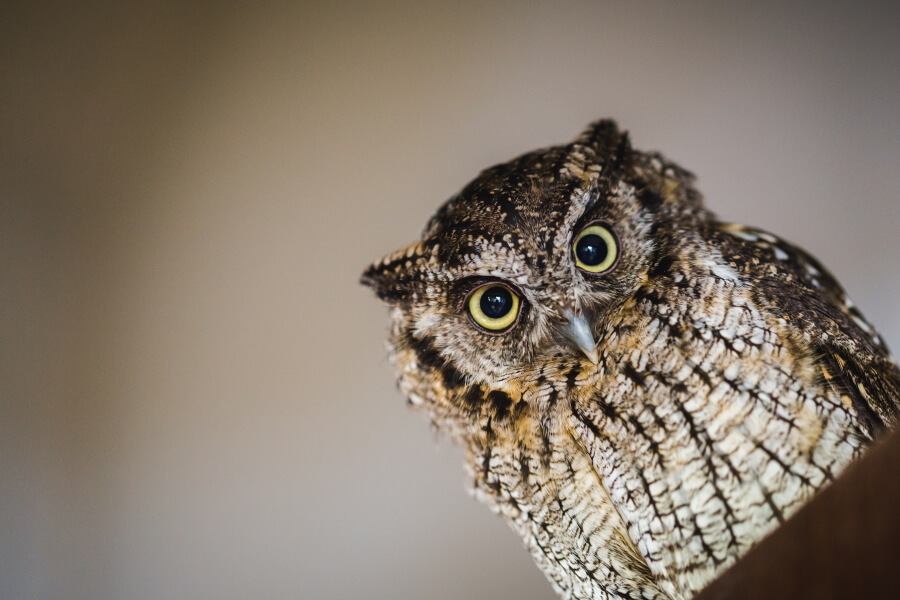
6. Wildlife Photography
Wildlife photography captures animals in their natural habitats, requiring specialized equipment, extensive patience, and often travel to remote locations. This is technically and physically demanding photography.
Key skills: Understanding animal behavior, anticipating action, shooting with long telephoto lenses, working in challenging conditions, ethical practices (never disturbing wildlife).
Equipment needed: Telephoto lens (300mm minimum, 400-600mm ideal), fast autofocus camera body, monopod or gimbal head tripod, camouflage clothing or blind.
Challenges: Expensive equipment requirements, need for patience (hours of waiting), physical demands (carrying heavy gear), often requires travel.
7. Macro Photography
Macro photography reveals tiny worlds invisible to the naked eye – insects, flowers, textures, water droplets – shot at 1:1 magnification or greater. This style requires specialized techniques and equipment.
Key techniques: Extremely narrow depth of field requires focus stacking (combining multiple images), diffused lighting to avoid harsh shadows, absolute stability (tripod essential).
Equipment needed: True macro lens (capable of 1:1 magnification), tripod, external flash or continuous light, focusing rail for precise positioning.
2026 advances: Computational photography in modern cameras now assists with focus stacking, making macro photography more accessible to beginners.
8. Astrophotography
Astrophotography captures celestial objects – the Milky Way, star trails, planets, nebulae, galaxies. This specialized field combines photography with astronomy knowledge.
Key techniques: Long exposures (15-30 seconds for Milky Way, hours for deep space), high ISO shooting, wide aperture lenses, light pollution avoidance, star tracking for longer exposures.
Equipment needed: Camera with good high-ISO performance, fast wide-angle lens (14mm f/2.8 or wider), sturdy tripod, star tracker for serious work, intervalometer for time-lapses.
Planning tools: Apps like PhotoPills and Star Walk help plan shoots around moon phases, Milky Way position, and weather.
Commercial & Product Photography
9. Product Photography
Product photography showcases items for commercial use – e-commerce, catalogs, advertising. Clean, well-lit images that accurately represent products while making them desirable.
Key techniques: Clean backgrounds (usually white), even lighting to eliminate shadows, accurate color reproduction, multiple angles, detail shots.
Equipment needed: Macro or standard lens, light tent or sweep, multiple lights, tripod, editing software for background removal.
2026 market: E-commerce growth makes this a booming field. Many small businesses need product photography for online stores.
10. Food Photography
Food photography makes dishes look irresistible for restaurants, cookbooks, blogs, and social media. This style combines technical skill with styling and composition.
Key techniques: Natural light preferred (window light), 45-degree or overhead angles, props and styling to tell a story, shallow depth of field to isolate hero dish.
Challenges: Food wilts, melts, and changes quickly. Work fast. Understanding color theory helps create appetizing palettes.
2026 trends: Dark, moody food photography (dark backgrounds, dramatic lighting) remains popular. Overhead “flat lay” compositions dominate social media.
11. Fashion Photography
Fashion photography showcases clothing, accessories, and style, ranging from editorial (artistic, conceptual) to commercial (catalog, e-commerce). This is a competitive, glamorous field requiring strong creative vision.
Key skills: Directing models, collaborating with stylists/makeup artists, creating cohesive concepts, understanding lighting and posing for flattering results.
Career paths: Editorial (magazines, creative), commercial (brands, catalogs), lookbooks (designers), e-commerce.
Documentary & Storytelling Photography
12. Photojournalism
Photojournalism documents news events, telling stories through images for newspapers, magazines, and online media. This style emphasizes truth, ethics, and capturing decisive moments.
Ethics: No staging, no manipulation beyond basic adjustments. Photojournalists document reality, they do not create it.
Key skills: Anticipating action, working in chaotic environments, strong compositional instincts, ability to gain access and trust.
2026 reality: Traditional newspaper jobs are rare. Most photojournalists freelance for multiple outlets or pivot to documentary work.
13. Street Photography
Street photography captures candid moments of everyday life in public spaces. This style emphasizes observation, decisive moments, and finding beauty or meaning in ordinary scenes.
Key approaches: Candid (people unaware), interactive (engaging subjects), environmental (context-heavy scenes).
Equipment: Compact, inconspicuous cameras preferred. Prime lenses (35mm, 50mm) force photographers to engage with scenes.
Legal note: Laws vary by country. In most Western countries, photography in public spaces is legal, but know your local laws.
14. Event Photography
Event photography documents corporate events, conferences, parties, concerts – any gathering where moments need preservation. This requires versatility and the ability to work in varying conditions.
Key skills: Working in mixed/low light, capturing candid moments, identifying key moments, balancing artistic shots with documentation.
Business opportunity: Corporate events provide steady, well-paying work. Build relationships with event planners and venues.
Creative & Conceptual Photography
15. Fine Art Photography
Fine art photography creates images as artistic expression rather than documentation. These photographers shoot for galleries, collectors, and personal vision rather than clients.
Characteristics: Conceptual depth, consistent personal style, often series-based work, technically excellent execution.
Business model: Gallery sales, limited edition prints, exhibitions. This path requires strong artistic vision and business savvy.
16. Abstract Photography
Abstract photography creates images that do not represent reality literally – emphasizing color, shape, form, and texture over recognizable subjects.
Techniques: Extreme closeups, intentional camera movement, long exposures, reflections, multiple exposures, creative editing.
Subjects: Architecture details, water, light, textures, patterns – anything can become abstract through technique and perspective.
17. Minimalist Photography
Minimalist photography strips scenes to essential elements – emphasizing negative space, simple compositions, and “less is more” aesthetics.
Key principles: Negative space as compositional element, limited color palettes, simple subjects, clean lines, intentional emptiness.
2026 popularity: Minimalism thrives on Instagram and print sales. Clean, calming images appeal to modern aesthetic sensibilities.
Architectural & Urban Photography
18. Architectural Photography
Architectural photography documents buildings and structures, both interior and exterior, for architects, real estate, magazines, and art.
Key techniques: Perspective correction (tilt-shift lenses or software), careful composition, optimal lighting, often shot at twilight when interior and exterior light balance.
Equipment needed: Tilt-shift lens or camera with shift capability, wide-angle lens, tripod, graduated filters for exteriors.
Commercial applications: Architectural firms, construction companies, real estate marketing, interior design portfolios.
19. Real Estate Photography
Real estate photography showcases properties for sale or rent. This is a high-volume, deadline-driven field with significant income potential.
Key techniques: Wide-angle lenses (but not distorting), bright balanced lighting (often flash), decluttered spaces, virtual staging (increasingly common).
Equipment needed: Wide-angle lens (16-35mm), flash system or continuous lights, tripod, drone for exterior aerials (increasingly expected).
2026 standards: HDR processing, twilight exteriors, drone aerials, and 3D virtual tours are now baseline expectations in most markets.
20. Urban/Cityscape Photography
Urban photography captures cities – skylines, streets, architecture, patterns – emphasizing the character and energy of urban environments.
Best times: Blue hour (just after sunset) for lit buildings against blue sky, night for light trails and illuminated scenes.
Techniques: Long exposures for light trails and smooth water, elevated vantage points for skylines, leading lines in street scenes.
Specialized & Emerging Photography Styles
21. Drone/Aerial Photography
Drone photography captures perspectives impossible from ground level – aerial landscapes, top-down patterns, unique architectural views.
2026 accessibility: Entry-level drones like DJI Mini series (under $500) make aerial photography accessible to everyone. Professional-quality drones cost $1,000-5,000.
Legal requirements: FAA registration and Part 107 license required for commercial work in USA. Rules vary by country. Always check local regulations and no-fly zones.
Applications: Real estate, events, landscapes, commercial properties, construction monitoring, weddings.
22. 360-Degree/VR Photography
360 photography captures entire surroundings in a single image that viewers can navigate, increasingly used for virtual tours, real estate, and immersive experiences.
Equipment: 360 cameras (Insta360, Ricoh Theta) or DSLR with specialized lenses and stitching software.
Commercial use: Real estate virtual tours, hotel/venue showcasing, Google Street View contributions, VR content creation.
23. Smartphone Photography
Smartphone photography is a legitimate style in 2026, not just a compromise. Computational photography, multiple lenses, and AI processing create images that rival dedicated cameras.
Advantages: Always with you, instant editing/sharing, computational features (portrait mode, night mode), native social media integration.
Professional use: Yes, really. Travel photographers, street photographers, and social media content creators often shoot primarily on phones.
24. AI-Assisted Photography (New in 2026)
AI-assisted photography uses artificial intelligence for subject detection, automatic editing, content-aware fill, sky replacement, and subject masking – dramatically accelerating workflows.
Tools: Adobe Sensei (in Lightroom/Photoshop), Luminar Neo, Topaz Photo AI, ON1 Photo RAW.
Debate: Where is the line between photography and digital art? This remains contentious in competition and fine art contexts.
25. Sports Photography
Sports photography freezes fast action, capturing athletic achievement, emotion, and decisive moments. This demands excellent equipment, positioning, and anticipation skills.
Key techniques: Fast shutter speeds (1/1000s+), continuous autofocus, burst shooting, anticipation of peak action.
Equipment demands: Expensive. Fast telephoto lenses (70-200mm f/2.8, 400mm f/2.8), pro-level camera bodies with fast autofocus, monopod.
26. Concert/Music Photography
Concert photography documents live music performances, working in challenging conditions – low light, fast movement, crowd obstacles, often strict shooting restrictions.
Challenges: Extreme low light, colored/changing stage lighting, no flash allowed, often limited to first three songs with no pit access.
Equipment needed: Fast lenses (f/2.8 or wider), camera with excellent high-ISO performance (usable ISO 6400+).
27. Long Exposure Photography
Long exposure photography uses extended shutter speeds (seconds to minutes) to capture motion blur, light trails, smooth water, or star trails.
Applications: Light trails on highways, silky smooth waterfalls/oceans, star trails, architectural interiors, creative motion blur.
Equipment needed: Sturdy tripod (essential), neutral density (ND) filters for daytime long exposures, remote shutter release, camera with Bulb mode.
28. Time-Lapse Photography
Time-lapse condenses hours or days into seconds, showing motion and change invisible in real time – clouds moving, flowers blooming, cities transitioning from day to night.
Technique: Capture hundreds/thousands of still images at intervals, compile into video in editing.
Equipment: Intervalometer (built into many modern cameras), very sturdy tripod, extra batteries, large memory cards.
2026 ease: Many cameras now have built-in time-lapse modes and automatic interval shooting.
29. Infrared Photography
Infrared photography captures light beyond visible spectrum, creating surreal images with white foliage, dark skies, and dream-like aesthetics.
Approaches: Converted camera (sensor modified to capture infrared), infrared filter on standard camera, or post-processing simulation.
Aesthetic: Distinctive white trees, dark water, ethereal atmosphere. Niche but visually striking.
30. Pet Photography
Pet photography captures beloved animals, creating portraits that showcase personality and emotion. This is increasingly popular as people invest in professional images of their pets.
Key skills: Patience, fast reflexes (animals are unpredictable), eye-level perspective, capturing personality, managing anxious animals.
Techniques: Fast shutter speeds to freeze action, focus on eyes, natural light when possible, treats and toys for attention.
Business opportunity: Growing market. Pet owners invest in professional photos, and pet-related businesses need commercial imagery.
Choosing Your Photography Path
How to Explore Different Styles
Try before you specialize: Shoot 5-10 images in 5 different styles that interest you. Notice which styles excite you and which feel like work.
Consider your personality: Do you enjoy working with people (portraits, weddings, events) or prefer solo work (landscapes, architecture)? Are you patient (wildlife, astro) or prefer fast-paced (sports, street)?
Assess equipment needs: Some styles require expensive specialized gear. Others work fine with basic equipment.
Evaluate income potential: If photography is your career, commercial viability matters. Wedding, commercial product, and real estate photography pay consistently. Fine art and wildlife photography rarely provide full-time income.
Building a Photography Career
Specialize (usually): Most successful photographers specialize in 1-3 related styles rather than being generalists. Specialists command higher rates and build stronger reputations.
But not too early: Spend your first 1-2 years exploring before committing to specialization. You might discover unexpected passions.
Related specializations work: Wedding + portrait, product + food, real estate + architectural, landscape + travel. Related skills transfer between styles.
Essential Skills Across All Styles
Regardless of specialization, these skills matter universally:
– Light: Understanding and manipulating light is fundamental to all photography
– Composition: Visual balance, leading lines, rule of thirds, negative space
– Technical mastery: Exposure triangle, focus, depth of field, shutter speed effects
– Editing skills: Post-processing is part of modern photography workflow
– Business skills: If shooting professionally, marketing and client management matter as much as technical skills
Getting Started: Your Action Plan
Month 1: Exploration
– Choose 3 styles that interest you
– Shoot at least 20 images in each style
– Study work of masters in those styles
– Identify which style feels most natural
Month 2-3: Development
– Focus on your favorite 1-2 styles
– Shoot consistently (aim for 2-3 sessions per week)
– Study technique through YouTube, courses, books
– Join photography communities for feedback
Month 4-6: Specialization
– Commit to one primary style
– Build a portfolio of 20-30 strong images
– Start sharing work on Instagram, portfolio site
– Consider second related style as complement
Month 7-12: Professional Development
– If pursuing career: begin marketing services
– Continue building portfolio with variety within your style
– Study business aspects: pricing, contracts, marketing
– Consider equipment upgrades based on specific needs
2026 Photography Trends Across Styles
Authenticity over perfection: Audiences increasingly value genuine moments over heavily styled, perfect images.
Mobile-first workflows: Phone photography and mobile editing are legitimate professional approaches, not compromises.
Vertical formats: Instagram, TikTok, Stories demand vertical compositions. Photographers must consider both orientations.
Sustainability consciousness: Ethical practices in wildlife, travel, and fashion photography increasingly important to audiences.
AI integration: Love it or hate it, AI-assisted editing and processing are here. Photographers must decide their boundaries.
Creator economy: Content creation for brands, teaching through courses/presets, and online presence often generate more income than shooting alone.
Conclusion: Your Photography Journey
Photography offers endless creative and professional possibilities. From capturing intimate family moments to documenting news events to creating fine art for galleries, there is a style suited to every interest, personality, and skill level.
The photography styles that matter most are the ones that excite you. The ones you want to wake up early or stay up late to pursue. The ones where you forget to check your phone because you are so absorbed in the work.
Start exploring. Try different styles without pressure. Notice what feels natural versus what feels like work. And remember: specialization comes later. First, discover what kind of photographer you want to be.
Get started with the right camera, explore these photography styles, and find your creative voice. Every photographer starts as a beginner. The difference between beginners and professionals is not talent – it is consistency, curiosity, and the courage to keep shooting.
Now go explore. Your photography journey starts today.